BREAKING
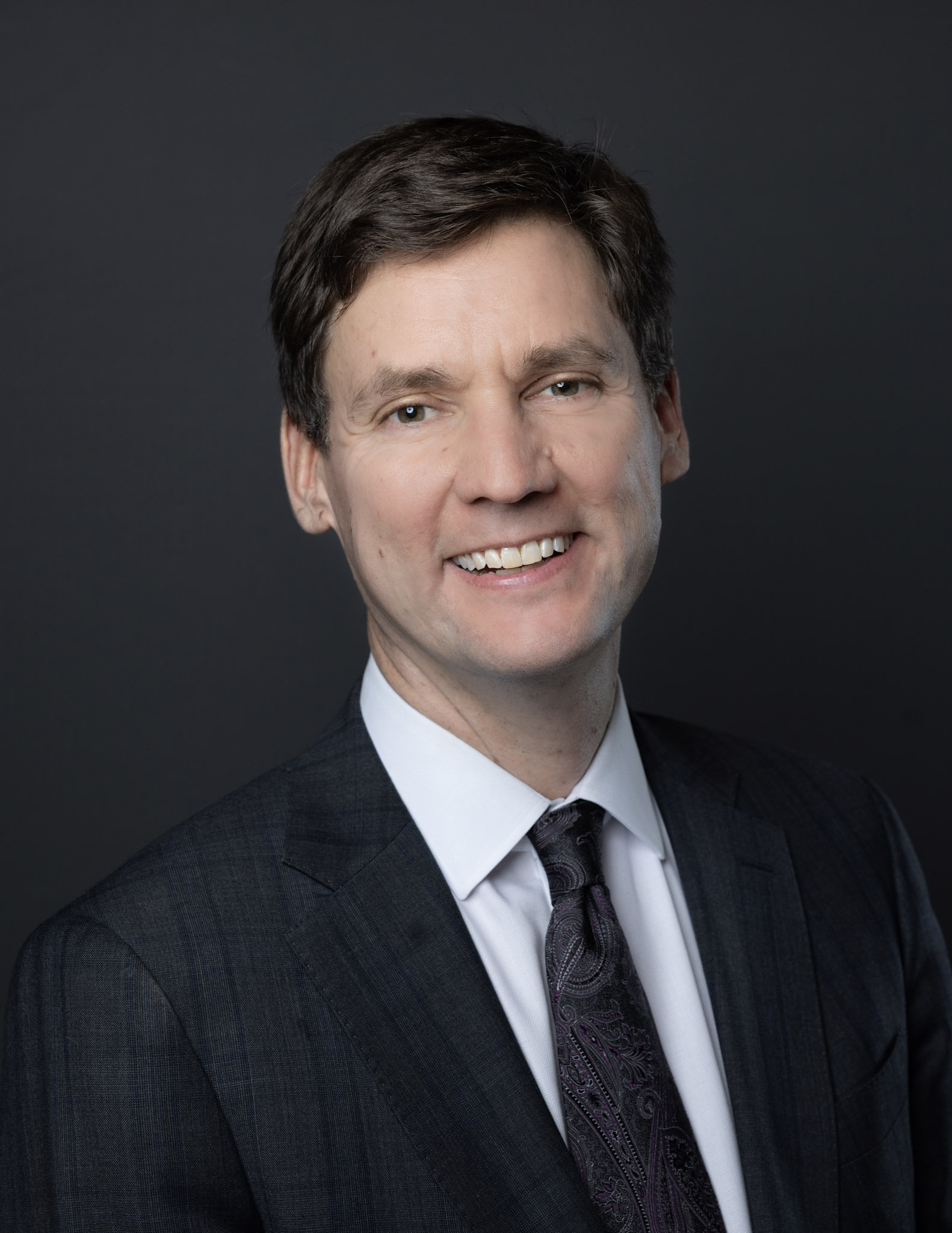
Premier David Eby Directs $40 Million to Expand Municipal Wildfire Firebreaks and Forest Thinning
B.C. Ministry of Emergency Management and Climate Readiness allocates $40 million to construct permanent 300-meter cleared firebreaks and fuel-thinning buffers around 35 vulnerable forest communities.
Choseno Wildfire Resilience & Public Safety Desk August 24, 2026 1 min read BC, CA

★ Choseno Civic Briefing
Key Leaders
VICTORIA, BC — Premier David Eby and Emergency Management and Climate Readiness Minister Bowinn Ma announced the release of $40 million from the Community Resiliency Investment (CRI) program, funding the construction of engineered municipal firebreaks and forest fuel thinning around 35 high-risk Interior and Vancouver Island communities.
Building Engineered Fire Guards to Protect Forest Communities
The funding packages provide direct grants to municipal councils, regional districts, and First Nations to clear 300-meter strategic fuel-break corridors, prune lower ladder tree branches, and clear deadwood within the wildland-urban interface (WUI) around Kelowna, Williams Lake, Campbell River, and Nelson. State modeling indicates proactive fuel thinning reduces wildfire flame lengths by 70%, allowing ground crews to safely defend residential subdivisions during catastrophic wildfire events.
Premier Eby affirmed that British Columbia must adapt to longer, more intense wildfire seasons, building permanent community defense buffers before fires start.
First Nations Emergency Services and Local Mayors Praise
First Nations emergency service coordinators praised the co-management structure, integrating traditional cultural burning and local firefighting crews into fire guard maintenance.
Interior municipal mayors commended the non-repayable capital grants for completing critical wildfire protection plans.
Heavy Equipment Mobilization
Forestry mastication and clearing equipment will mobilize across designated municipal fire guards in October 2026.
Sources
Rate the people mentioned in this article
Related Coverage in Public Safety
See all Public Safety newsPublic Safety Breaking
US Aug 24, 2026
Governor Sarah Huckabee Sanders Declares State of Emergency and Mobilizes Wildfire Defense Funds
Arkansas Governor Sarah Huckabee Sanders signs an emergency declaration, deploying Arkansas Forestry Division crews and unlocking $250,000 in state disaster response funding for active forest fires.
Read full article
Public Safety
US Aug 24, 2026
Pittsburgh City Council Passes Comprehensive Pedestrian Safety Ordinance Banning Sidewalk Parking
Pittsburgh City Council votes 9–0 to close a municipal code loophole, authorizing immediate citations and towing for commercial and passenger vehicles obstructing public sidewalks and ramps.
Read full article
Public Safety
CA Aug 24, 2026
Manitoba Justice Department Launches Specialized Anti-Retail Theft Prosecution and Safety Unit
Province of Manitoba establishes a dedicated retail crime prosecution team and allocates $4.5 million to deploy coordinated community safety officers in commercial retail corridors.
Read full article