California Prohibits Nondisclosure Agreements in State Lawmaking and Public Spending
California has enacted a ban on the use of nondisclosure agreements within the scope of state legislative processes and the expenditure of taxpayer funds. This policy shift aims to increase transparency regarding how public resources are utilized and how state laws are developed.
Choseno Civic News Desk August 28, 2026 1 min read CA, US
Legislative Transparency Shift
California has officially implemented a prohibition on the use of nondisclosure agreements (NDAs) concerning state lawmaking and the allocation of taxpayer funds. This measure, as reported by KCRA, marks a significant change in how the state manages confidentiality in public affairs.
Policy and Taxpayer Impact
The new mandate ensures that the legislative process remains open to public scrutiny by preventing the use of legal instruments that could otherwise shield government actions from oversight. By banning these agreements in taxpayer spending, the state aims to ensure that the use of public money is fully documented and accessible to the citizenry.
Political and Legal Stakes
The move represents a broader effort to align state governance with principles of open government. Legal experts note that the elimination of NDAs in these specific contexts removes a layer of secrecy that has historically complicated the public's ability to track the development of state laws and the distribution of state-funded contracts.
The Debate
Proponents of the ban argue that transparency is essential for maintaining public trust and ensuring that government officials remain accountable for their legislative and fiscal decisions. Critics, while fewer in number, have historically argued that certain sensitive negotiations require confidentiality to protect the integrity of ongoing legal or strategic discussions, though this new law prioritizes public disclosure over such protections.
Public Accountability Context
This policy change serves as a mechanism for citizens to better evaluate the actions of their representatives. By removing the ability to use NDAs in these arenas, the state has established a framework where the details of lawmaking and spending are no longer subject to private agreements that bypass public review.
Related Coverage in Politics
See all Politics newsPolitics
US Aug 28, 2026
Drone Strike Injures Four in Sevastopol as Regional Tensions Escalate
A drone attack in the Russian-held city of Sevastopol resulted in four injuries, according to local officials. The incident underscores the ongoing security instability in the region.
Read full article
Politics
CA Aug 28, 2026
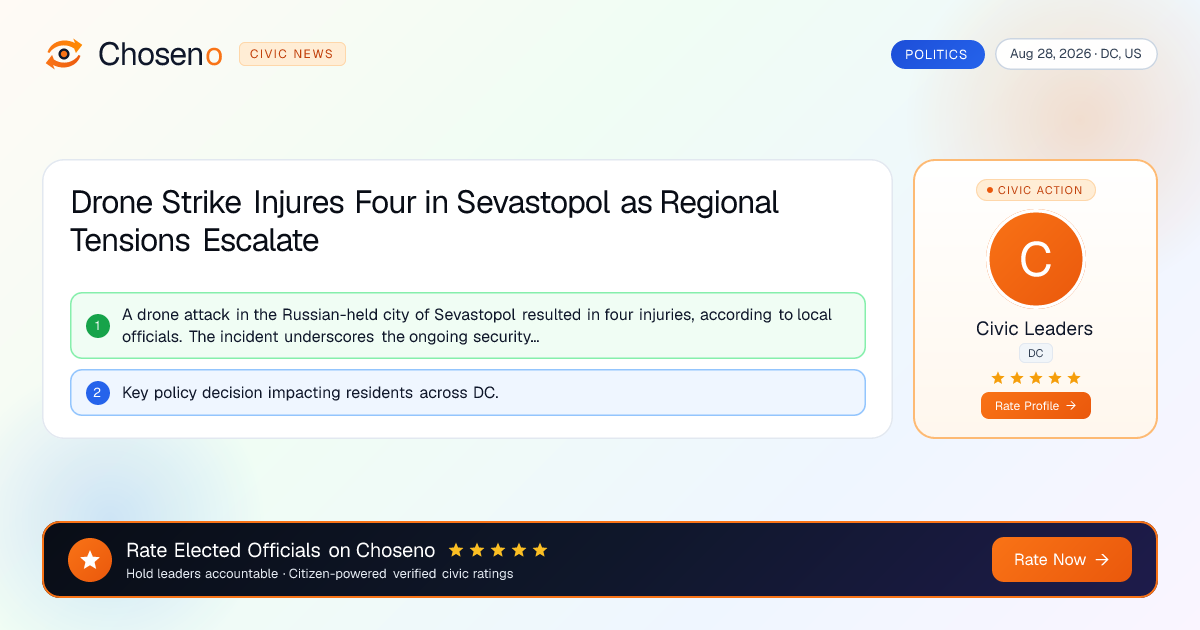
Three Vehicles Destroyed in Suspected Arson Outside Toronto MP's Home
Toronto Police are investigating a targeted arson attack on the Scarborough residence of Liberal MP Salma Zahid that destroyed three vehicles. The incident highlights the escalating security risks facing federal parliamentarians and the strain on national policing resources.
Read full article
Politics
US Aug 28, 2026
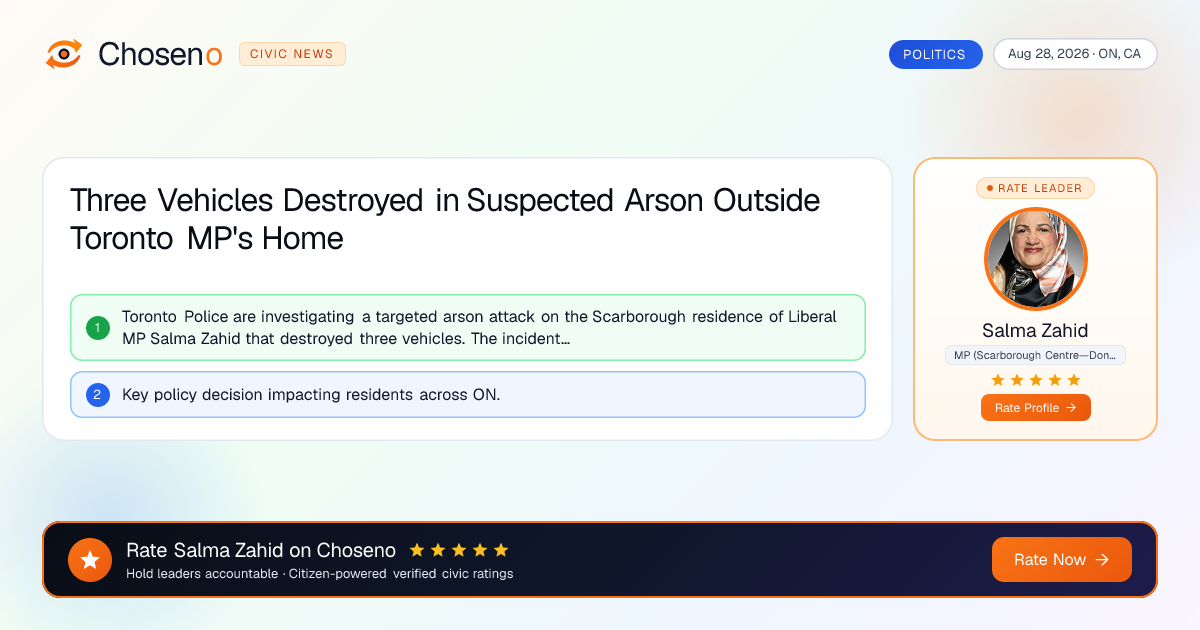
Queens Insurance Fraud Ring Sentenced Following Coordinated Staged Highway Crashes
Multiple individuals involved in a staged car crash conspiracy have received sentencing following a joint investigation by state and local authorities. The prosecution aims to curb insurance fraud that drives up premiums for New York motorists.
Read full article