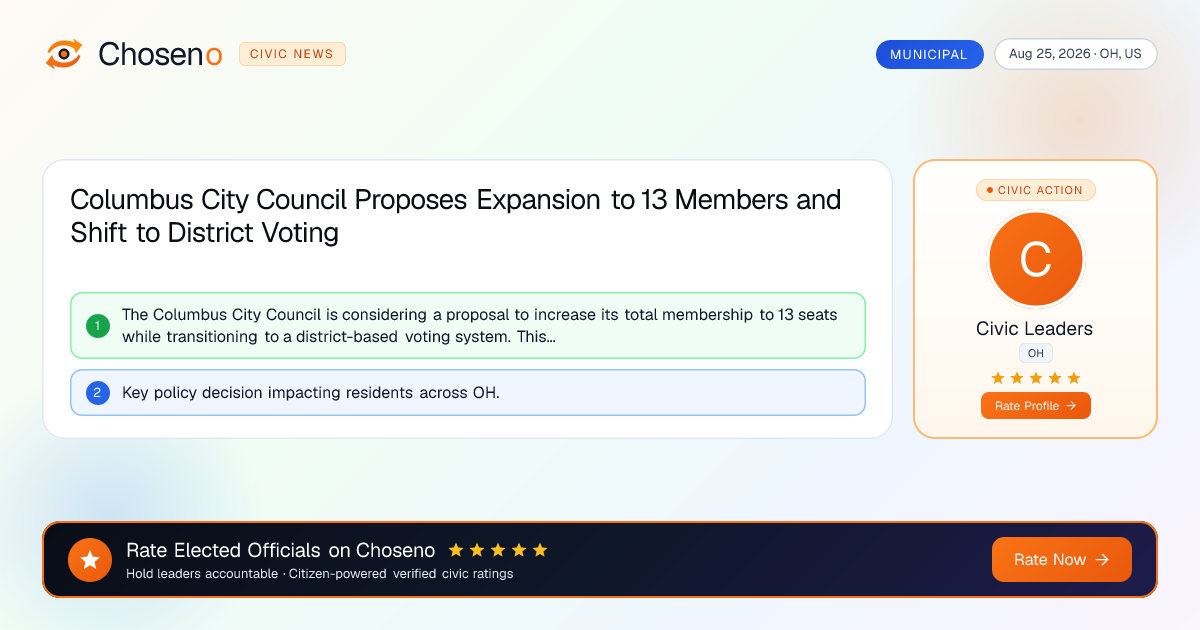
Columbus City Council Proposes Expansion to 13 Members and Shift to District Voting
The Columbus City Council is considering a proposal to increase its total membership to 13 seats while transitioning to a district-based voting system. This structural change aims to alter how residents are represented, though specific impacts on municipal tax allocations remain part of the ongoing legislative review.
Choseno Civic News Desk August 25, 2026 2 min read OH, US
★ Choseno Civic Briefing
Key Leaders
Dateline: Columbus, Ohio
As of August 25, 2026, the Columbus City Council has introduced a legislative proposal that would significantly alter the structure of the city's governing body. The plan seeks to expand the council to 13 members and implement a district-based voting system, moving away from the current electoral framework.
Policy & Taxpayer Impact
The proposed expansion represents a fundamental change in municipal governance. While the direct financial implications for taxpayers are currently being evaluated, the shift to district voting is intended to localize representation. This change would require a reconfiguration of electoral boundaries and administrative oversight, potentially impacting the city's operational budget as the council scales its membership.
Political & Legal Stakes
The move toward district-based voting is a significant departure from the status quo. Proponents argue that this structure ensures that specific neighborhoods have a dedicated representative accountable to their unique geographic needs. Conversely, the transition involves complex legal and logistical hurdles, including the redrawing of district maps and the potential for shifts in the balance of power within the council chambers.
The Debate
Supporters of the proposal emphasize that a 13-member council provides more "district voting" opportunities, which they believe will foster closer ties between elected officials and their constituents. Critics, however, have raised concerns regarding the potential for increased political fragmentation and the administrative costs associated with expanding the council. The debate centers on whether a larger, district-focused body will improve civic engagement or complicate the city's legislative efficiency.
Public Accountability Context
As the proposal moves through the legislative process, residents are encouraged to monitor upcoming council sessions. The transition to a district-based system is a major policy shift that will define the future of local representation in Columbus. Citizens are advised to review the specific maps and membership requirements as they are finalized by the council to understand how their specific neighborhood will be impacted by these changes.
Related Coverage in Municipal
See all Municipal newsMunicipal
US Aug 25, 2026
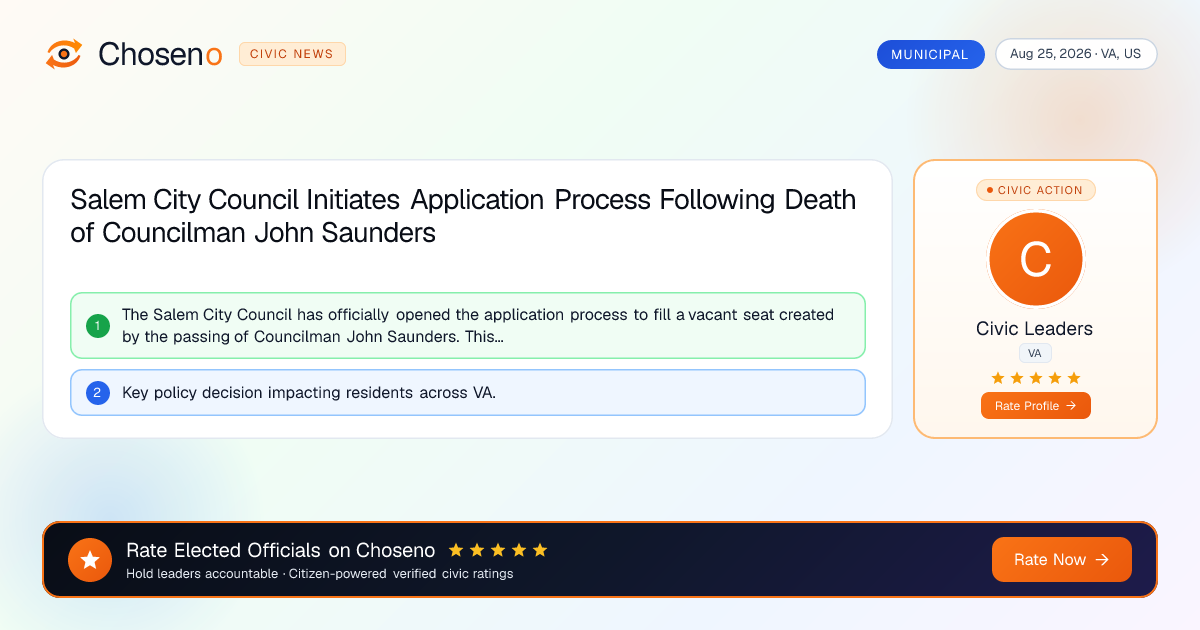
Salem City Council Initiates Application Process Following Death of Councilman John Saunders
The Salem City Council has officially opened the application process to fill a vacant seat created by the passing of Councilman John Saunders. This administrative transition ensures continued municipal representation for residents while the council manages the appointment process.
Read full article
Municipal
US Aug 25, 2026
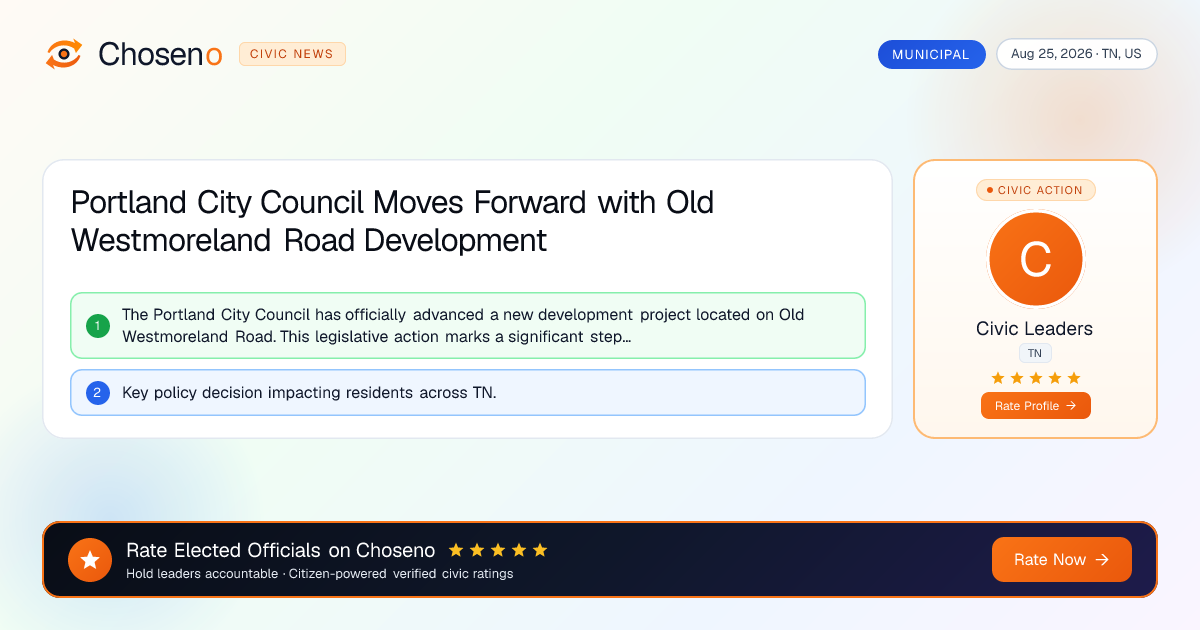
Portland City Council Moves Forward with Old Westmoreland Road Development
The Portland City Council has officially advanced a new development project located on Old Westmoreland Road. This legislative action marks a significant step in the city's land-use planning, with potential long-term implications for local infrastructure and municipal growth.
Read full article
Municipal
US Aug 25, 2026
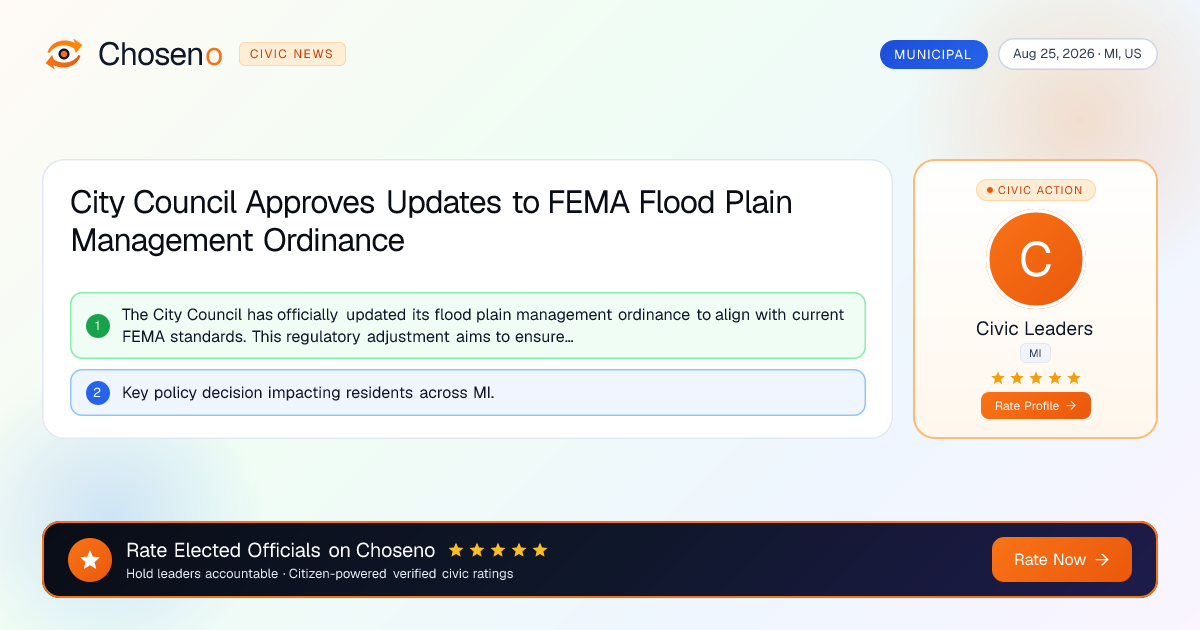
City Council Approves Updates to FEMA Flood Plain Management Ordinance
The City Council has officially updated its flood plain management ordinance to align with current FEMA standards. This regulatory adjustment aims to ensure continued compliance with federal guidelines, which may influence local insurance requirements and development standards.
Read full article