Congressional Media Access Under Scrutiny as Representative Tiffany Adopts Restrictive Press Tactics
United States Representative Tom Tiffany faces criticism for systematically excluding specific media outlets from public events, a move that mirrors controversial national political strategies. This shift in communication policy raises significant questions regarding the First Amendment, the equitable use of taxpayer resources, and the transparency of federal officials.
Choseno Civic News Desk September 25, 2026 4 min read Wisconsin, US
What do you think of the people in this story? Rate them anonymously — tap a face below.
Representative Tom Tiffany of Wisconsin’s seventh congressional district has recently come under scrutiny for his increasingly restrictive approach toward media engagement, a strategy that observers suggest mirrors the media relations tactics popularized by former President Donald Trump. Reports from the Wisconsin Examiner indicate that the congressman has systematically excluded specific journalists and news organizations from public events and press briefings, particularly those perceived as critical of his legislative record or political alignment. This shift represents a significant departure from traditional norms of congressional transparency, where representatives typically facilitate broad access to ensure that diverse segments of the constituency remain informed. By hand-picking which outlets are permitted to cover his activities, Tiffany effectively controls the narrative surrounding his office, potentially limiting the public’s ability to receive a comprehensive and unvarnished view of his official conduct. This practice has sparked a broader conversation about the responsibilities of elected officials to maintain open lines of communication with all members of the press, regardless of their editorial stance.
The legal and statutory implications of such media exclusions are complex, touching upon fundamental First Amendment protections and the public’s right to information. Legal experts suggest that while private political events may allow for selective attendance, events held in public spaces or those involving the use of official government resources carry a higher burden of accessibility. When a sitting member of Congress utilizes taxpayer-funded staff to organize and manage events, the exclusion of accredited media members may border on viewpoint discrimination. Critics argue that such actions undermine the democratic process by preventing journalists from fulfilling their role as a bridge between the government and the governed. Furthermore, the lack of a standardized protocol for media credentialing at the local level allows for arbitrary decisions that can be used to punish unfavorable coverage. This environment creates a chilling effect on local journalism, as reporters may fear losing access if their reporting does not align with the preferences of the official’s communications team.
Beyond the legal arguments, there are significant economic and taxpayer stakes involved in the management of congressional communications. Representative Tiffany’s office operates on a budget provided by the American public, which is intended to facilitate the representation of all constituents within his district. When these resources are used to curate an exclusive media environment, it raises questions about whether public funds are being leveraged for partisan advantage rather than general public service. The costs associated with security, venue rentals, and staff time for these events are borne by the taxpayers, many of whom rely on the very news organizations that are being barred from entry. This creates a disconnect where the public is essentially subsidizing the suppression of their own access to information. Financial watchdogs have noted that the lack of transparency in how these events are categorized—whether as official constituent outreach or private political gatherings—makes it difficult to track the appropriate use of federal funds, further complicating the oversight of congressional spending.
The community debate surrounding these tactics is deeply polarized, reflecting the broader national divide over the role of the media in modern politics. Supporters of the congressman often argue that traditional media outlets are biased and that he is justified in bypassing them to speak directly to his supporters through friendly channels or social media. They view the exclusion of certain reporters as a necessary defense against what they characterize as unfair or agenda-driven journalism. Conversely, many residents and civic organizations in northern Wisconsin express concern that this approach erodes the accountability necessary for a functioning democracy. They contend that by avoiding tough questions from a variety of sources, the congressman is failing to address the concerns of a significant portion of his constituency. This strategy of selective engagement may solidify his standing with a core base of voters, but it also risks deepening regional divisions and leaving many citizens feeling unheard and unrepresented in the federal legislative process.
Ultimately, the trend of blocking reporters sets a concerning precedent for the future of civic discourse and government accountability in Wisconsin. As more officials adopt these restrictive measures, the traditional role of the press as a watchdog is increasingly compromised. The long-term impact on the quality of information available to voters could be profound, as the marketplace of ideas is replaced by a series of echo chambers where only preferred narratives are allowed to circulate. Investigative journalists emphasize that without the ability to observe and question public officials in person, the public’s understanding of policy decisions and their consequences will inevitably suffer. The situation involving Representative Tiffany serves as a case study in the evolving relationship between power and the press, highlighting the urgent need for clear standards that protect media access and ensure that all elected officials remain answerable to the entirety of the public they serve. The preservation of a free and open press remains a cornerstone of the democratic framework, and any actions that diminish this access warrant rigorous public examination and debate.
Rate the people mentioned in this article

Related Coverage in Municipal
See all Municipal newsMunicipal
US Sep 27, 2026
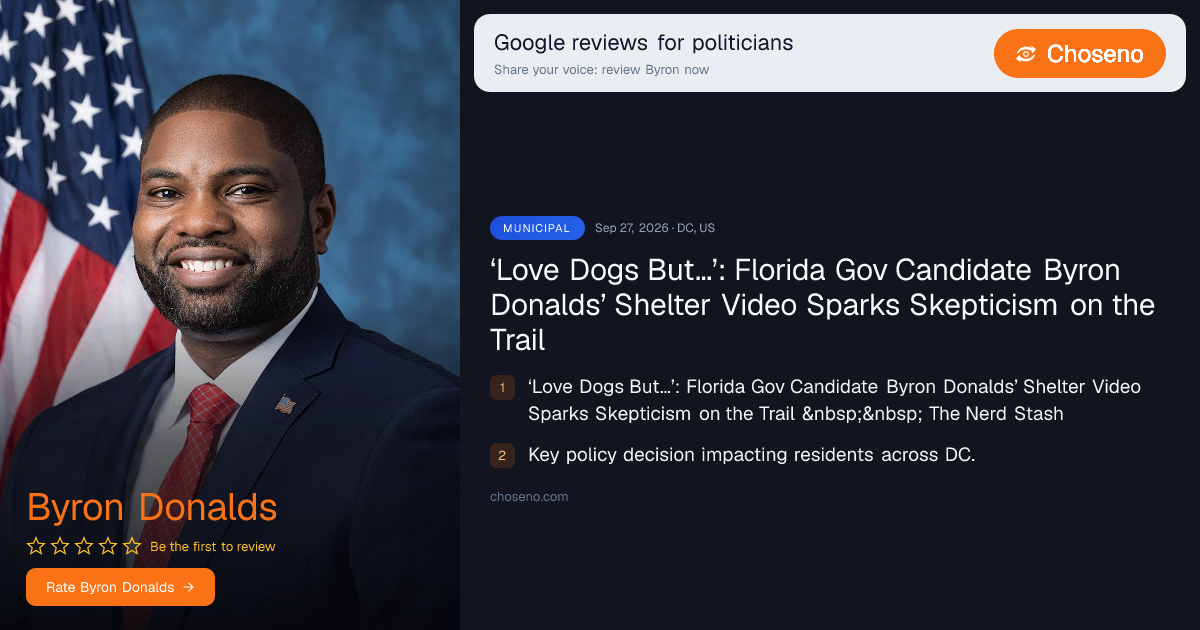
‘Love Dogs But…’: Florida Gov Candidate Byron Donalds’ Shelter Video Sparks Skepticism on the Trail
‘Love Dogs But…’: Florida Gov Candidate Byron Donalds’ Shelter Video Sparks Skepticism on the Trail The Nerd Stash
Read full article
Municipal
US Sep 27, 2026
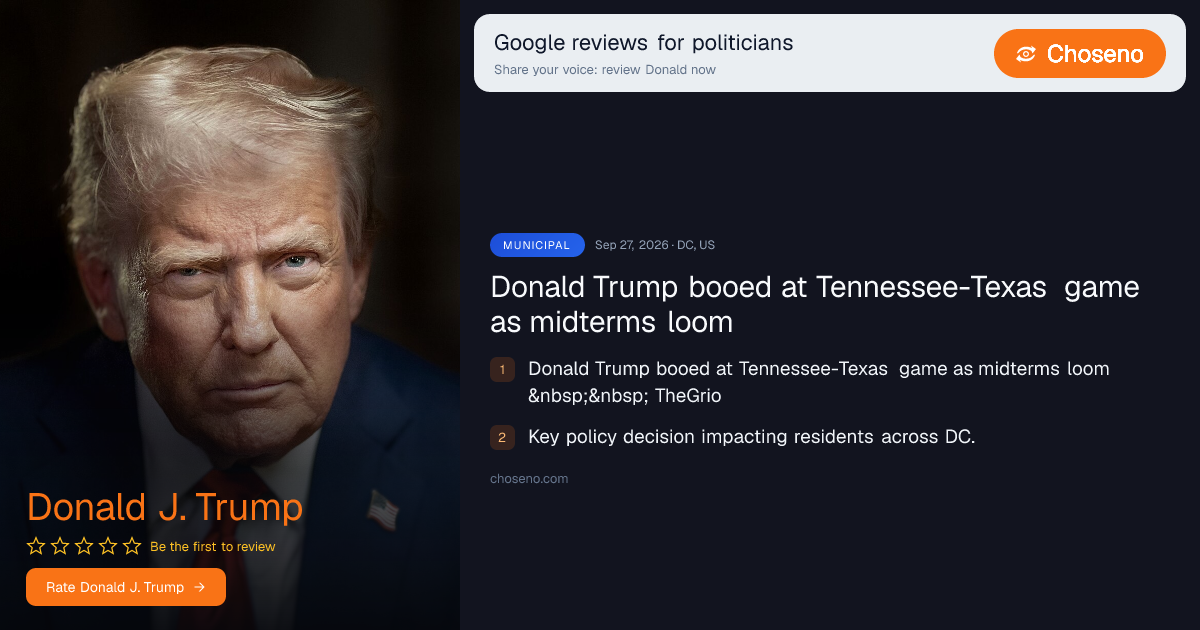
Donald Trump booed at Tennessee-Texas game as midterms loom
Donald Trump booed at Tennessee-Texas game as midterms loom TheGrio
Read full article
Municipal
US Sep 27, 2026
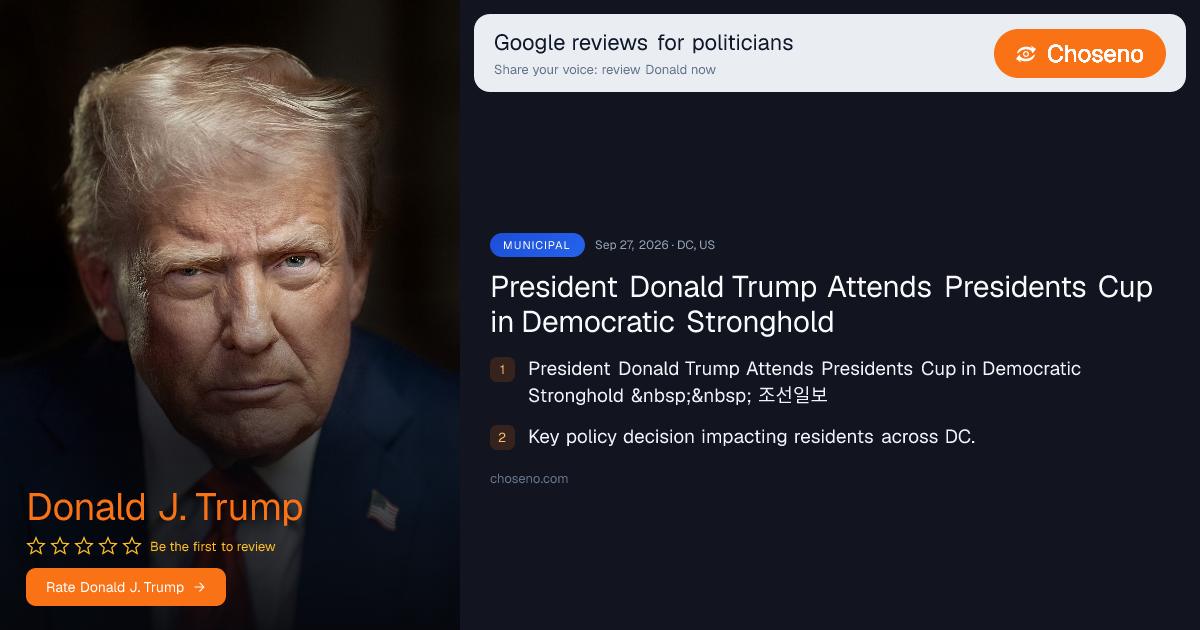
President Donald Trump Attends Presidents Cup in Democratic Stronghold
President Donald Trump Attends Presidents Cup in Democratic Stronghold 조선일보
Read full article