Denver Mayor Mike Johnston Faces Scrutiny Over Early Reelection Campaign Strategy
Denver Mayor Mike Johnston has launched his reelection campaign for a second term amid civic debate over the pace of his campaign rollout. Analysts point to significant municipal challenges in homelessness, budgeting, and downtown revitalisation as key factors in the upcoming race.
Choseno Civic News Desk August 30, 2026 3 min read CO, US
As Denver Mayor Mike Johnston begins laying the groundwork for his municipal reelection campaign, political observers and civic commentators across Colorado are closely examining the early strategy, organizational tempo, and public messaging of the administration's second-term bid. A prominent analysis published in The Colorado Sun by political columnist Mario Nicolais emphasized that while Johnston formally announced his candidacy for a second term, his initial campaign rollout has maintained a surprisingly low profile, featuring a minimal web portal that has yet to articulate a comprehensive second-term policy platform or provide a detailed accounting of his first-term administrative accomplishments.
Johnston, who assumed office in July 2023 after securing victory in a competitive runoff election against former Denver Metro Chamber of Commerce CEO Kelly Brough, stepped into the mayoralty facing an array of complex municipal challenges. From his first days at the City and County Building, Johnston positioned his administration around ambitious, high-visibility initiatives. Central to his platform was the House1000 program, an urgent municipal initiative aimed at moving 1,000 unhoused residents from unsheltered encampments into temporary transitional housing, micro-communities, and converted hotel facilities within his first six months in office.
While the administration reached its initial numerical target and subsequently expanded the program under the All In Mile High banner, the broader homelessness response has sparked significant debate across Denver neighborhoods. Community groups and neighborhood associations have raised questions regarding the long-term budgetary sustainability of hotel conversions, neighborhood zoning adjustments, and the speed of transitions into permanent affordable housing. Concurrently, Denver faced substantial fiscal pressure stemming from the humanitarian response to tens of thousands of arriving migrants, requiring multiple rounds of departmental budget adjustments, hiring freezes, and service consolidations to maintain balanced municipal accounts.
Nicolais and other municipal analysts note that the political landscape confronting Johnston heading into the next election cycle differs substantially from the dynamics that defined his 2023 victory. In his initial campaign, Johnston successfully built a broad coalition of progressive civic organizers, downtown business leaders, and moderate voters by presenting himself as a pragmatic, energetic problem-solver with state legislative experience. However, observers warn that incumbent mayors face an altered standard of evaluation, where broad aspirational targets are measured directly against neighborhood-level quality-of-life conditions, downtown commercial occupancy rates, public transit safety, and municipal service responsiveness.
Critics from opposing political viewpoints have begun organizing early, suggesting that a vulnerable incumbency could draw high-profile challengers representing either business-oriented moderates dissatisfied with municipal fiscal management or progressive activists seeking more sweeping structural reforms in housing and policing. Nicolais argued that relying on an undersized digital presence and delayed field mobilization risks conceding narrative momentum to emerging opposition groups before the administration can fully define the terms of the debate.
Supporters of Mayor Johnston maintain that the administration has delivered tangible results on urgent municipal priorities, including stabilizing downtown corridors, expanding affordable housing land trusts, and managing complex humanitarian crises without major municipal service failures. Allies contend that the formal campaign apparatus will scale significantly in the coming months, highlighting quantitative reductions in visible street encampments and ongoing investments in neighborhood infrastructure.
As Denver approaches the upcoming municipal election cycle, the strategic debate underscores the heightened expectations surrounding executive leadership in Colorado's capital. Whether Johnston accelerates his campaign posture to proactively defend his record or allows civic debate to be shaped by prospective challengers will likely prove decisive in determining the trajectory of Denver's civic governance over the next four years.
Rate the people mentioned in this article
Related Coverage in Municipal
See all Municipal newsMunicipal
US Sep 27, 2026
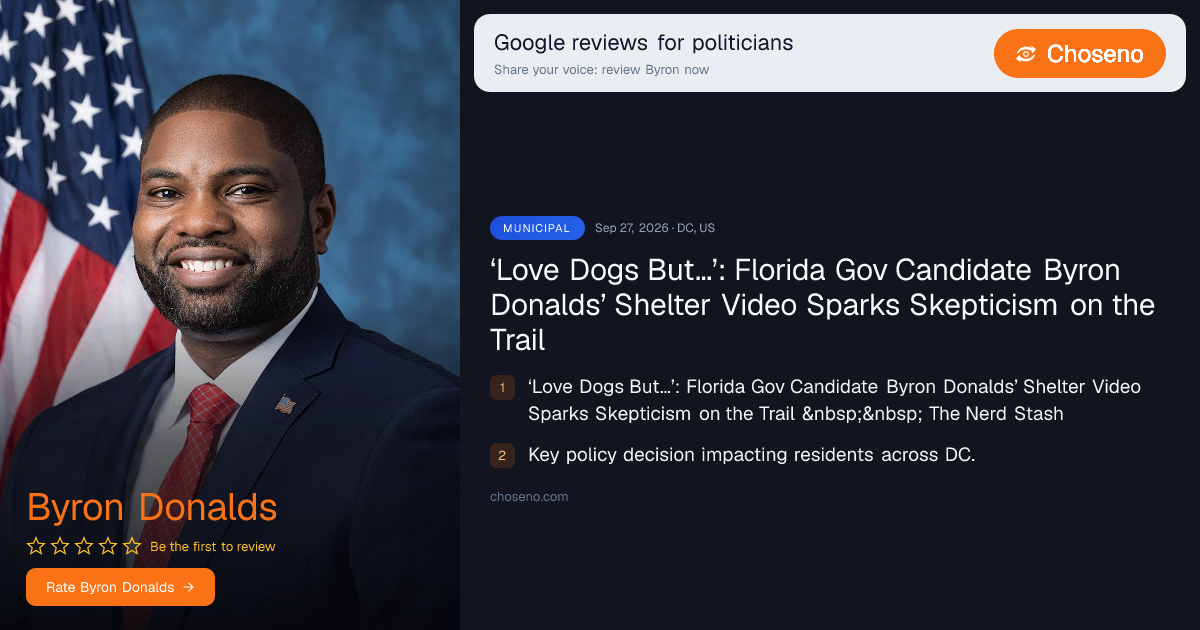
‘Love Dogs But…’: Florida Gov Candidate Byron Donalds’ Shelter Video Sparks Skepticism on the Trail
‘Love Dogs But…’: Florida Gov Candidate Byron Donalds’ Shelter Video Sparks Skepticism on the Trail The Nerd Stash
Read full article
Municipal
US Sep 27, 2026
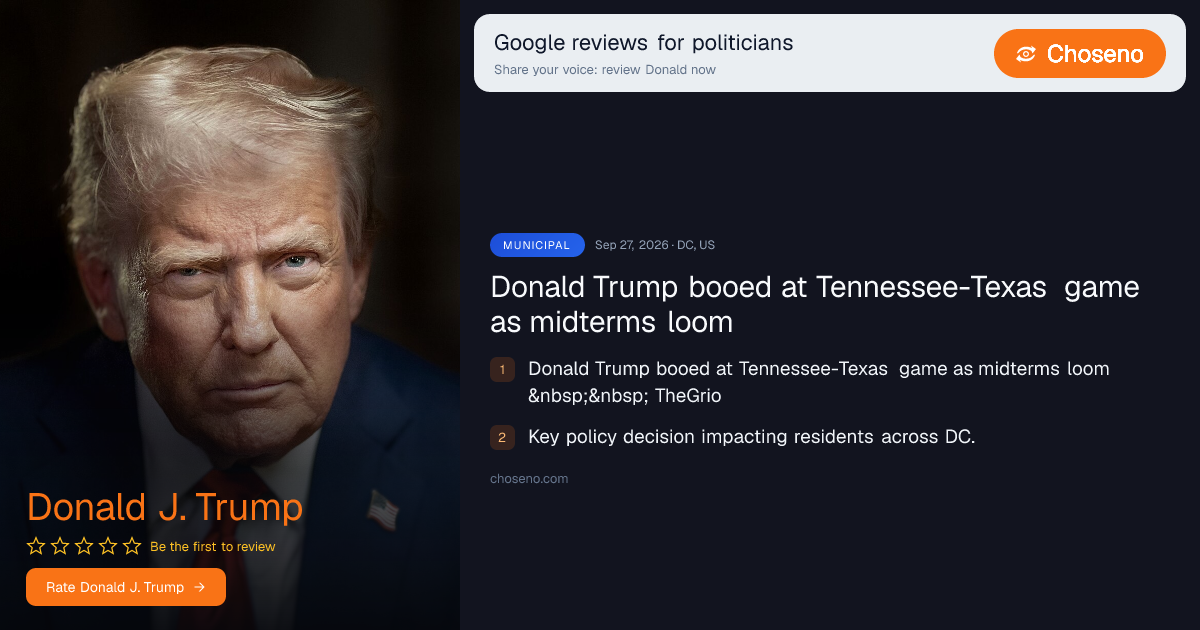
Donald Trump booed at Tennessee-Texas game as midterms loom
Donald Trump booed at Tennessee-Texas game as midterms loom TheGrio
Read full article
Municipal
US Sep 27, 2026
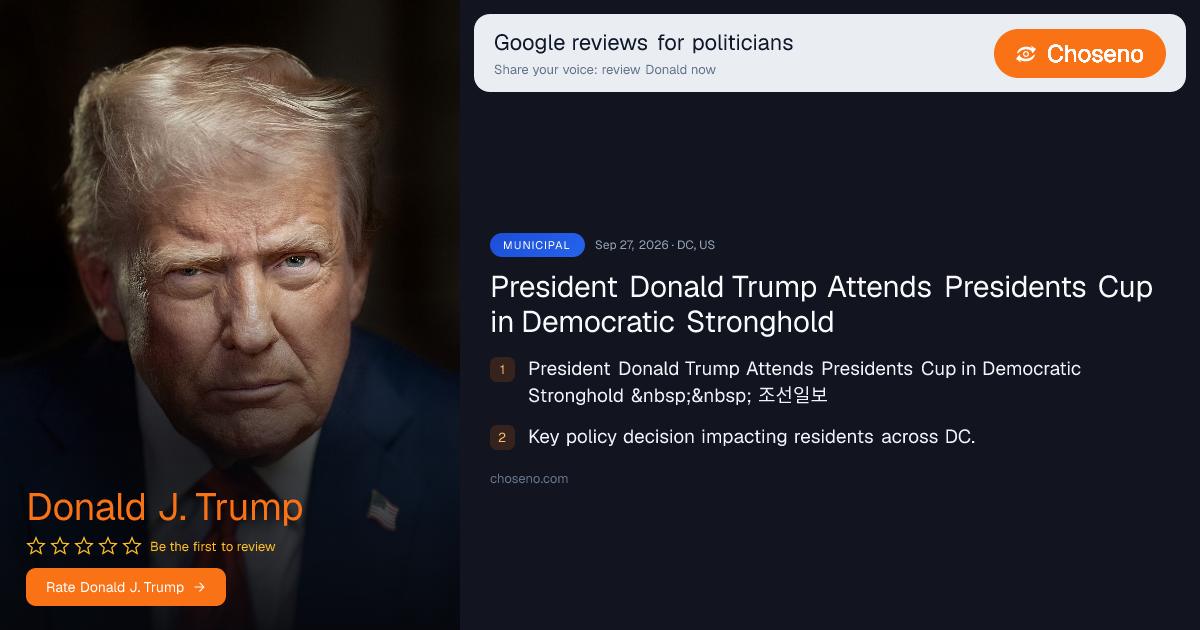
President Donald Trump Attends Presidents Cup in Democratic Stronghold
President Donald Trump Attends Presidents Cup in Democratic Stronghold 조선일보
Read full article