Elected Officials and Media Access: Representative Tom Tiffany Adopts Restrictive Press Strategy
Representative Tom Tiffany has increasingly restricted access for regional journalists, drawing sharp criticism from press advocates and mirroring national political trends. This commentary explores the implications of limiting media transparency on democratic accountability and constituent representation.
Choseno Civic News Desk September 25, 2026 3 min read Wisconsin, US
What do you think of the people in this story? Rate them anonymously — tap a face below.
In the contemporary landscape of American governance, the dynamic between elected representatives and the working press has faced unprecedented strain, as exemplified by recent reporting from the Wisconsin Examiner regarding Representative Tom Tiffany. Observers and media watchdogs have noted a deliberate shift in how the federal lawmaker manages engagement with independent journalists, increasingly mirroring communication strategies popularized by national political figures such as Donald Trump. Rather than maintaining open channels for questioning across diverse media outlets, the strategy appears to favor controlled environments and digital direct-to-constituent messaging, effectively bypassing the traditional filtration and rigorous inquiry historically provided by the local and regional press corps. This evolution in press relations raises profound questions regarding institutional transparency and the fundamental obligation of public servants to render themselves accessible to the entirety of the electorate they were chosen to represent in Washington, D.C.
The implications of restricting journalistic access extend far beyond professional grievances within the press corps, striking directly at the core of civic accountability and the public right to know. When lawmakers actively block specific reporters or systematically avoid independent scrutiny, taxpayers and constituents lose a vital mechanism for evaluating legislative actions, policy voting records, and the allocation of federal resources. The Wisconsin Examiner commentary underscores a troubling pattern where critical oversight is diminished, leaving voters to rely on heavily curated communications issued directly from congressional offices. This barrier to independent verification not only obscures the true complexities of legislative decision-making but also erodes the mutual trust essential between a representative democracy and its citizenry. Without robust questioning from journalists who serve as proxies for the public, public officials operate with a diminished degree of public pressure to justify contentious policy stances or constituent service priorities.
Furthermore, this hardening of access protocols reflects a broader national polarization where the media is frequently framed by politicians not as an essential pillar of constitutional democracy, but as a hostile entity to be managed or excluded. Such an approach disproportionately affects rural and regional populations who rely heavily on local investigative reporting to understand how federal decisions impact their local economies, infrastructure funding, and community well-being. By limiting journalists representing these local communities, representatives effectively disenfranchise segments of their base from receiving unvarnished, contextualized reporting about federal governance. Commentators point out that public figures who campaign on ideals of open government and responsiveness contradict their own stated values when implementing policies that insulate them from direct, unscripted accountability.
Ultimately, the commentary published by the Wisconsin Examiner serves as a timely reminder of the fragility of open governance norms in the modern era and the constant vigilance required to preserve them. The choice by Representative Tom Tiffany to restrict reporters is not merely an isolated scheduling preference, but part of a calculated tactical playbook designed to control the political narrative and minimize electoral vulnerability. As this trend persists, civic organizations, press associations, and everyday citizens must grapple with the long-term consequences of an elected class that increasingly dictates the terms of its own oversight. Restoring a healthy, functional relationship between public officials and the press remains an imperative task for safeguarding democratic integrity, ensuring that accountability is never treated as optional by those entrusted with legislative power.
Rate the people mentioned in this article

Related Coverage in Municipal
See all Municipal newsMunicipal
US Sep 27, 2026
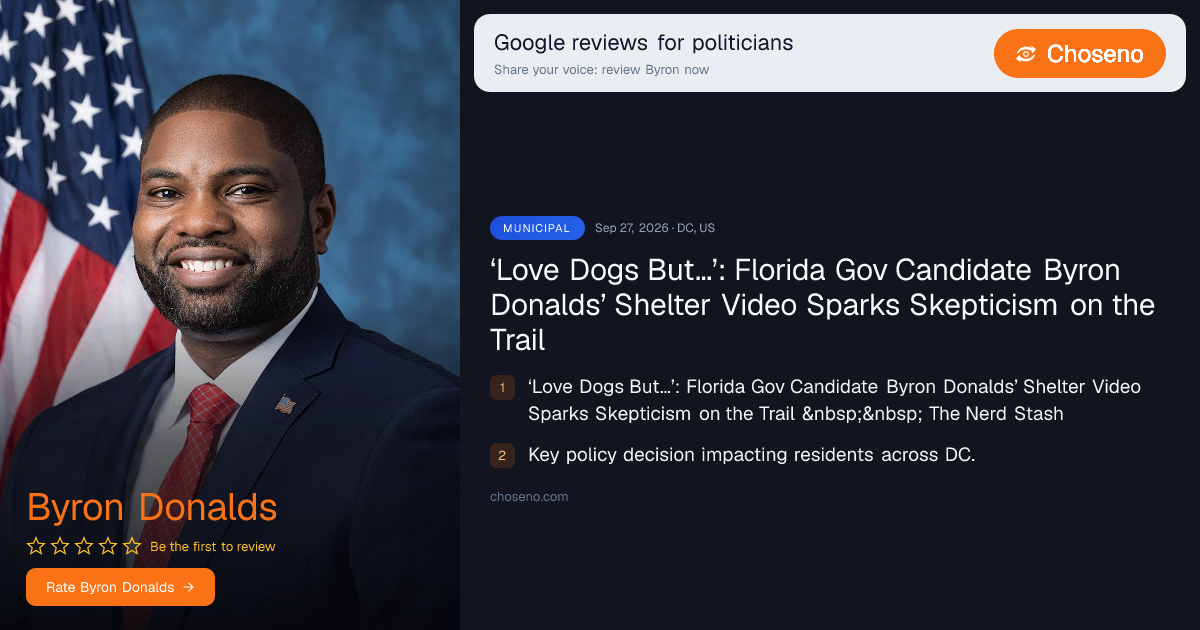
‘Love Dogs But…’: Florida Gov Candidate Byron Donalds’ Shelter Video Sparks Skepticism on the Trail
‘Love Dogs But…’: Florida Gov Candidate Byron Donalds’ Shelter Video Sparks Skepticism on the Trail The Nerd Stash
Read full article
Municipal
US Sep 27, 2026
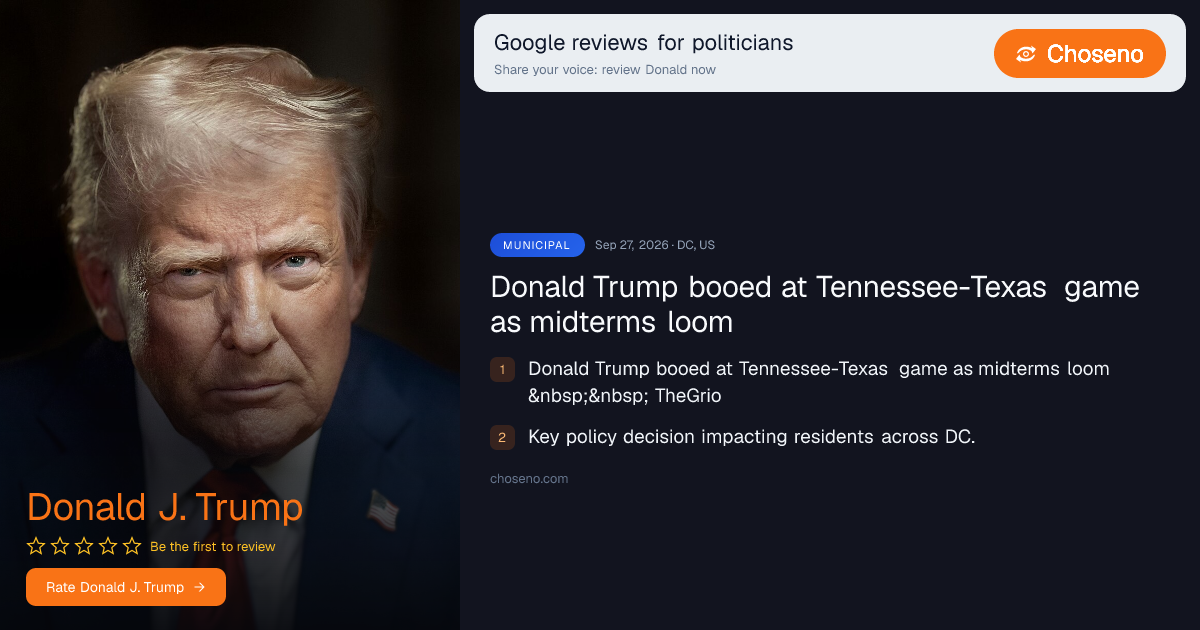
Donald Trump booed at Tennessee-Texas game as midterms loom
Donald Trump booed at Tennessee-Texas game as midterms loom TheGrio
Read full article
Municipal
US Sep 27, 2026
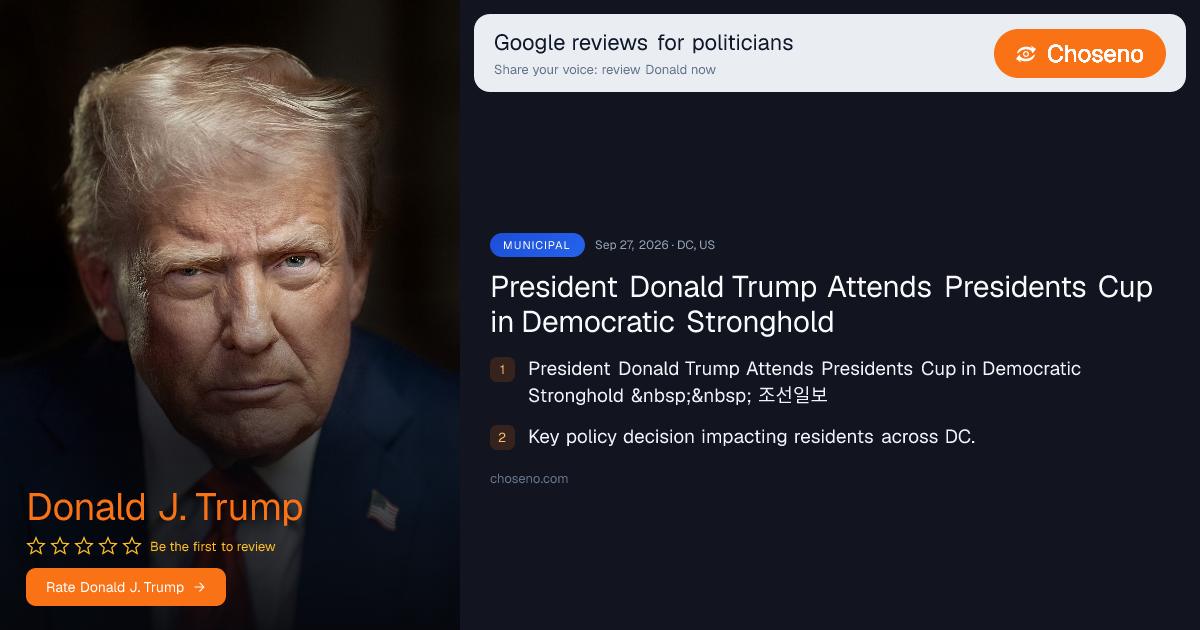
President Donald Trump Attends Presidents Cup in Democratic Stronghold
President Donald Trump Attends Presidents Cup in Democratic Stronghold 조선일보
Read full article