Georgia Political Landscape Shifts as New Polling Indicates Competitive Races for Senate and Governor
Recent polling data reveals a tightening contest in Georgia's upcoming elections, with Jon Ossoff maintaining a lead over Doug Collins in the Senate race while Trey Jackson holds an advantage over Keisha Lance Bottoms in the gubernatorial contest. These findings highlight the significant electoral volatility in a state that remains a critical battleground for both major political parties.
Choseno Civic News Desk September 26, 2026 3 min read Georgia, US
What do you think of the people in this story? Rate them anonymously — tap a face below.
The political climate in Georgia has entered a period of heightened intensity as recent polling data suggests a significant shift in voter sentiment regarding the state’s upcoming high-stakes elections. In the race for the United States Senate, incumbent Jon Ossoff has established a measurable lead over his challenger, Doug Collins. This development arrives at a time when voters are increasingly focused on the legislative priorities of the federal government, particularly regarding economic policy and national security. Analysts observing the race note that the margin between the two candidates reflects a broader trend of polarization within the electorate, where individual candidate performance is being weighed heavily against national party platforms. The statutory context of this race remains rooted in the ongoing debates over federal spending and the role of the Senate in confirming judicial appointments, issues that continue to dominate the discourse among Georgia voters who are concerned about the long-term trajectory of the country’s fiscal health and legislative stability.
Simultaneously, the gubernatorial race has captured significant public attention, with Trey Jackson currently leading Keisha Lance Bottoms in the latest surveys. This contest has become a focal point for discussions surrounding state-level executive actions, particularly those concerning infrastructure development, education funding, and the management of the state’s tax revenue. Supporters of Jackson have emphasized his proposed strategies for economic growth and his commitment to reducing the regulatory burden on small businesses, while proponents of Bottoms point to her previous experience in executive leadership and her focus on urban development and social services. The debate between these two candidates underscores the fundamental differences in their approaches to governance, with voters weighing the potential impact of their respective policies on the state’s economic competitiveness and the quality of public services provided to Georgia residents.
Economic and taxpayer stakes remain at the forefront of these campaigns, as both the Senate and gubernatorial candidates grapple with the complexities of inflation, housing affordability, and the state’s overall fiscal resilience. The electorate is demonstrating a keen interest in how these leaders plan to navigate the challenges of a fluctuating economy, with many voters expressing concerns about the rising cost of living and the necessity for prudent fiscal management at both the state and federal levels. These concerns are driving the community debates, which have increasingly centered on the efficacy of current tax policies and the allocation of public funds toward essential infrastructure projects. As the campaigns progress, the ability of each candidate to articulate a clear and actionable vision for addressing these economic pressures will likely determine their success in securing the support of undecided voters who remain critical to the final outcome of these races.
Beyond the immediate policy debates, the current polling data reflects a deeper transformation in Georgia’s political identity, as the state continues to evolve into a pivotal arena for national political influence. The intensity of these campaigns is indicative of the high stakes involved, with both parties investing significant resources into grassroots organizing and media outreach to mobilize their respective bases. Observers of the political landscape suggest that the outcome of these elections will have profound implications for the balance of power in Washington and the direction of state policy in Atlanta. As the election date approaches, the focus will likely shift toward voter turnout efforts and the ability of each campaign to effectively communicate their message to a diverse and increasingly engaged electorate that is deeply invested in the future of the state and the nation at large.
Rate the people mentioned in this article

Related Coverage in Municipal
See all Municipal newsMunicipal
US Sep 27, 2026
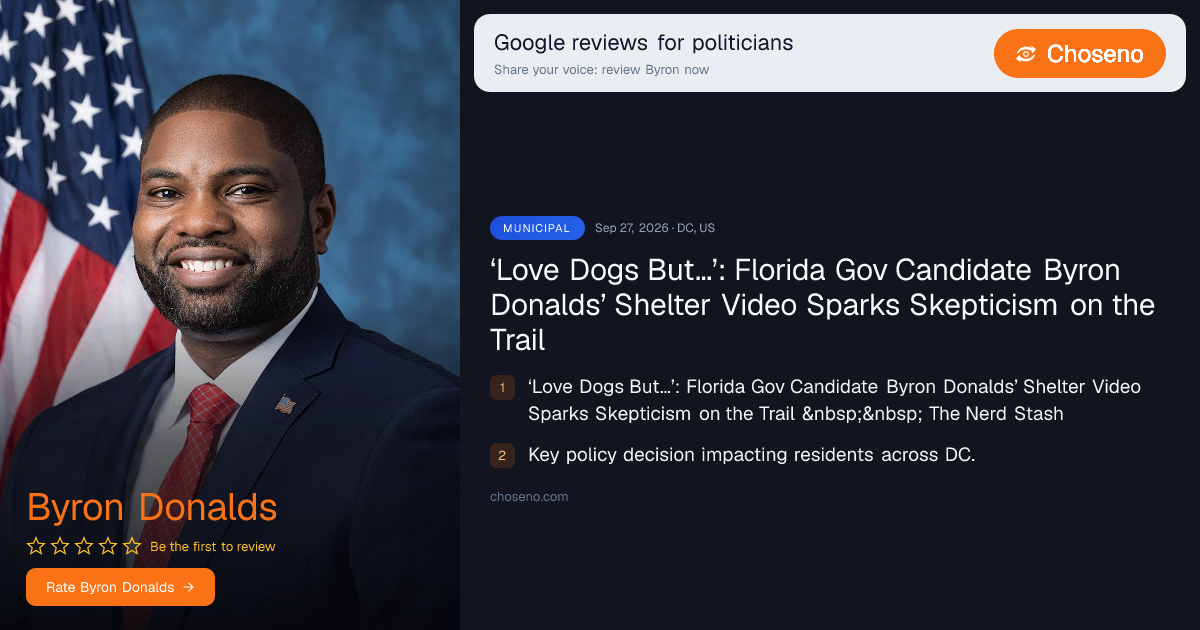
‘Love Dogs But…’: Florida Gov Candidate Byron Donalds’ Shelter Video Sparks Skepticism on the Trail
‘Love Dogs But…’: Florida Gov Candidate Byron Donalds’ Shelter Video Sparks Skepticism on the Trail The Nerd Stash
Read full article
Municipal
US Sep 27, 2026
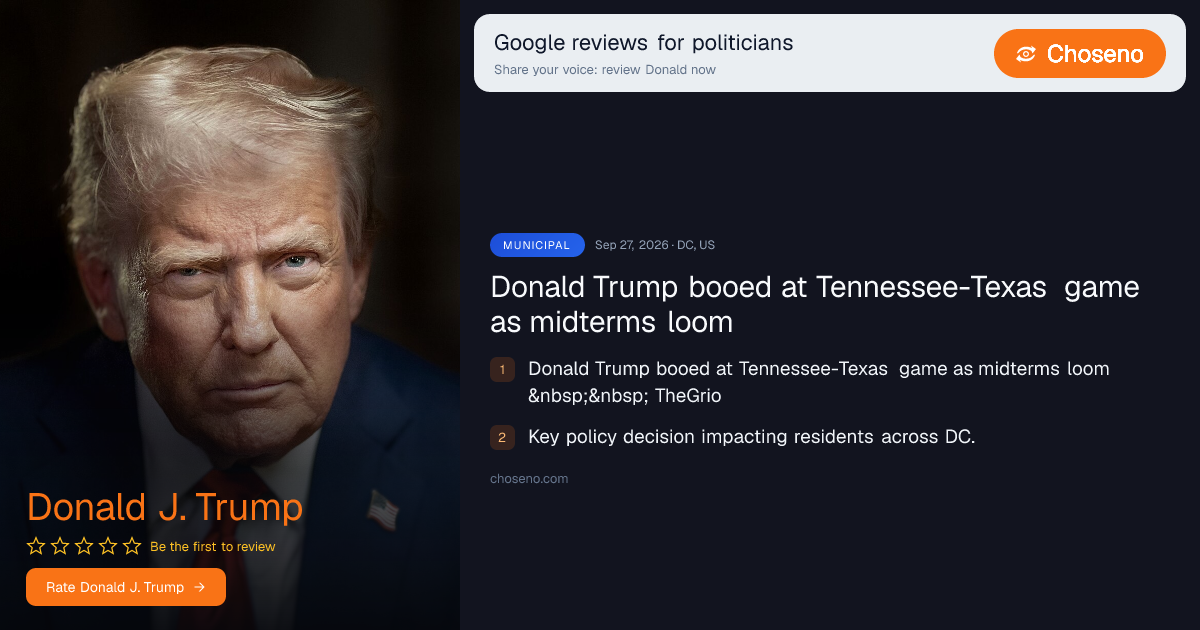
Donald Trump booed at Tennessee-Texas game as midterms loom
Donald Trump booed at Tennessee-Texas game as midterms loom TheGrio
Read full article
Municipal
US Sep 27, 2026
President Donald Trump Attends Presidents Cup in Democratic Stronghold
President Donald Trump Attends Presidents Cup in Democratic Stronghold 조선일보
Read full article