Governor Sherrill Demands Resignation of Lieutenant Governor Caldwell Amid Escalating Administrative Crisis
Governor Mikie Sherrill has formally requested the resignation of Lieutenant Governor Dale Caldwell, citing the necessity of the move for the welfare of New Jersey citizens. The demand marks a significant fracture in the state's executive leadership, prompting intense scrutiny regarding the future of the current administration.
Choseno Civic News Desk September 25, 2026 3 min read New York, US
What do you think of the people in this story? Rate them anonymously — tap a face below.
The political landscape of New Jersey has been thrust into a state of profound uncertainty following Governor Mikie Sherrill’s public declaration that Lieutenant Governor Dale Caldwell must step down from his position immediately. Governor Sherrill articulated that this drastic measure was essential to ensure the continued stability and integrity of the state government, emphasizing that the decision was made with the primary interests of New Jersey residents in mind. This call for resignation represents a rare and severe breakdown in the executive branch, signaling deep-seated tensions that have likely been simmering beneath the surface of the administration for some time. As the state grapples with the implications of this request, observers are left to analyze the potential fallout for the executive office and the broader implications for the governance of the state, as the relationship between the two highest-ranking officials appears to have reached an irreparable point of contention.
From a statutory perspective, the role of the lieutenant governor in New Jersey is designed to provide a clear line of succession and support the governor in executing the state’s legislative and administrative agenda. However, when the partnership between the governor and their deputy dissolves, the operational efficiency of the executive branch is frequently compromised. The demand for resignation raises significant questions regarding the internal mechanisms of the administration and whether the current friction has hindered the implementation of key policy initiatives. Legal experts and political analysts are currently evaluating the constitutional limitations of the governor’s power to force such a departure, noting that while the governor holds significant political leverage, the lieutenant governor’s position is an elected office that carries its own mandate. This creates a complex legal and political environment where the governor’s moral authority is being tested against the institutional independence of the lieutenant governor’s office.
For the taxpayers of New Jersey, this administrative turmoil carries substantial economic and civic stakes. The state is currently navigating a series of complex fiscal challenges, including budgetary pressures and the need for sustained economic development, all of which require a unified and focused executive leadership team. When the top levels of government are preoccupied with internal disputes, the risk of policy paralysis increases, potentially delaying critical infrastructure projects, social programs, and tax reform efforts that directly impact the daily lives of residents. The public is now forced to consider whether this leadership crisis will lead to a period of stagnation or if the administration can successfully navigate the transition to restore public confidence. The financial implications of a prolonged standoff are significant, as the cost of political instability often manifests in reduced investor confidence and a lack of clear direction for state agencies tasked with managing public resources.
Community leaders and political stakeholders across the state have begun to weigh in on the situation, reflecting a broad spectrum of concern regarding the future of the administration. Some voices within the political sphere suggest that the governor’s move is a necessary step to purge the executive branch of perceived liabilities, while others argue that the public deserves a more transparent explanation regarding the specific grievances that led to this ultimatum. The debate is increasingly centered on the concept of accountability, with many citizens demanding to know how this rift will affect the delivery of essential government services. As the situation continues to unfold, the focus remains on whether Lieutenant Governor Caldwell will comply with the request or if he will choose to challenge the governor’s authority, a move that would likely trigger a protracted and highly public legal or political battle that could further distract from the pressing needs of the state.
Rate the people mentioned in this article
Related Coverage in Municipal
See all Municipal newsMunicipal
US Sep 27, 2026
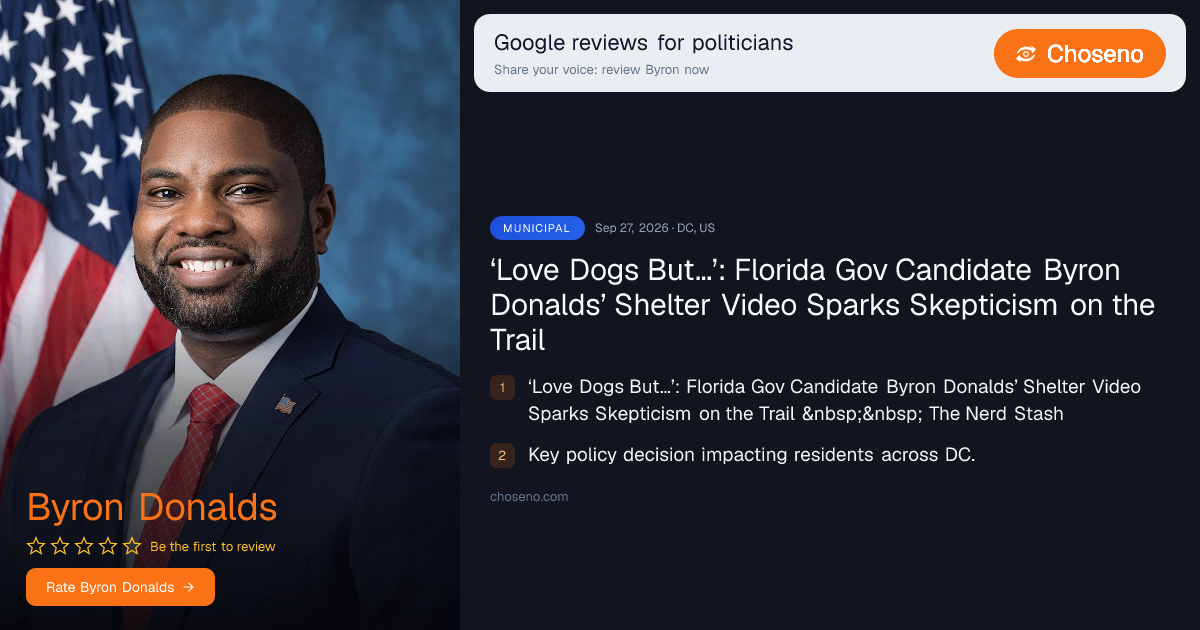
‘Love Dogs But…’: Florida Gov Candidate Byron Donalds’ Shelter Video Sparks Skepticism on the Trail
‘Love Dogs But…’: Florida Gov Candidate Byron Donalds’ Shelter Video Sparks Skepticism on the Trail The Nerd Stash
Read full article
Municipal
US Sep 27, 2026
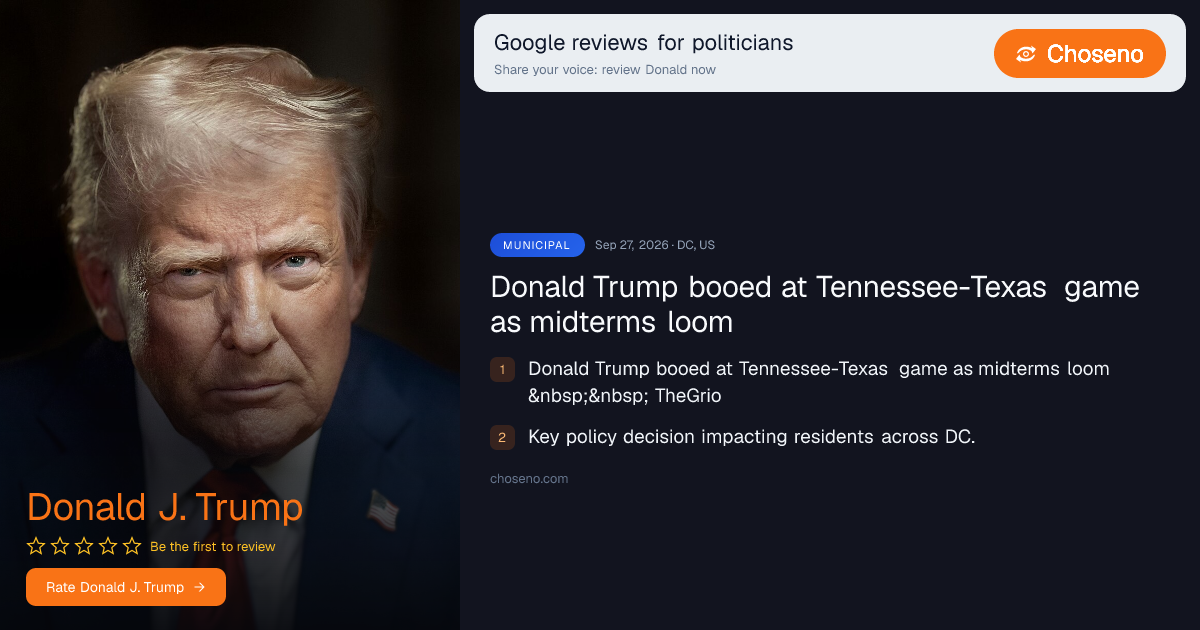
Donald Trump booed at Tennessee-Texas game as midterms loom
Donald Trump booed at Tennessee-Texas game as midterms loom TheGrio
Read full article
Municipal
US Sep 27, 2026
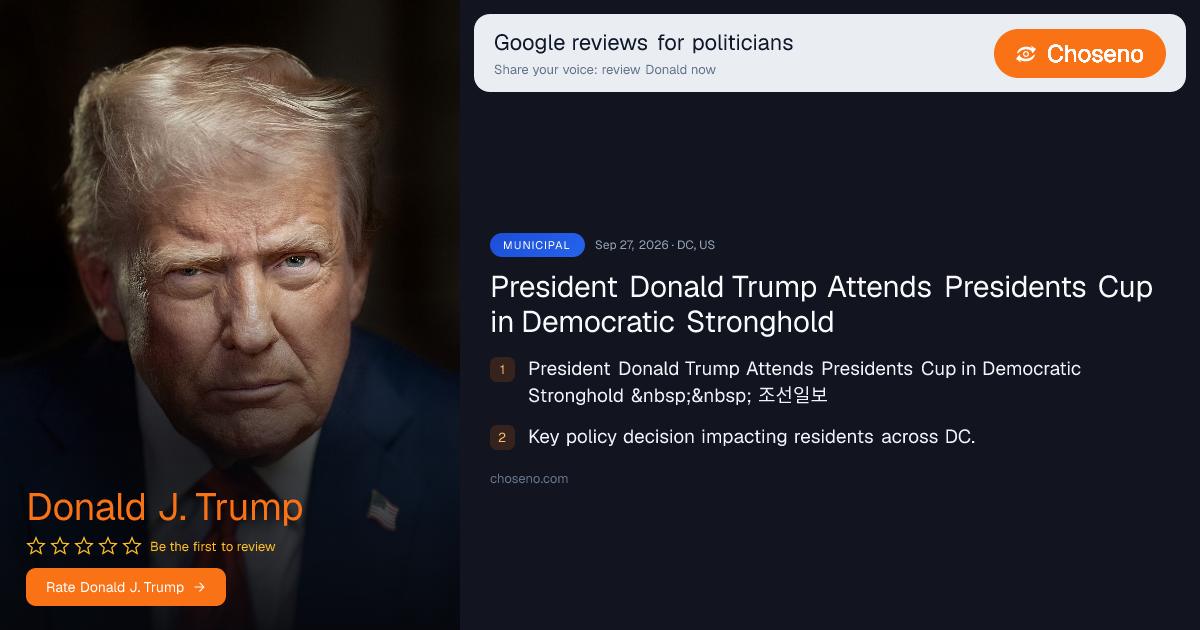
President Donald Trump Attends Presidents Cup in Democratic Stronghold
President Donald Trump Attends Presidents Cup in Democratic Stronghold 조선일보
Read full article