Houston Mayor Whitmire Navigates Strong-Mayor Powers Amid State Preemption and Fiscal Pressures
An extensive policy analysis of Houston Mayor John Whitmire’s administration examines the evolving limits of municipal executive power in Texas. As the city confronts structural budget deficits and landmark collective bargaining settlements, state legislative preemption continues to reshape local home rule in the nation's fourth-largest city.
Choseno Civic News Desk August 31, 2026 2 min read TX, US
Houston, TX — As Houston Mayor John Whitmire approaches the midpoint of his first term leading the nation’s fourth-largest city, a comprehensive policy examination by The Texas Observer highlights the complex crosscurrents reshaping urban governance in Texas: the intersection of municipal executive authority, persistent structural deficits, and expanding state legislative preemption.
Houston operates under one of the country's most centralized strong mayor municipal charters, granting the chief executive exclusive authority to set City Council agendas, appoint department directors, and manage a multi-billion-dollar operating budget. However, political scholars and municipal analysts emphasize that local executive power is increasingly constrained by sweeping state preemption statutes enacted by the Texas Legislature, which restrict municipal home-rule authority over local labor ordinances, commercial regulations, and election administration.
A central focus of Whitmire’s tenure has centered on stabilizing Houston’s municipal finances while resolving long-standing public safety labor disputes. Shortly after taking office, the administration negotiated a historic $650 million back-pay and collective bargaining settlement with the Houston Professional Fire Fighters Association (IAFF Local 341), ending an eight-year legal impasse. To finance the agreement while addressing an underlying $160 million annual general fund deficit, City Hall is evaluating long-term municipal bond financing, selective departmental consolidations, and potential garbage collection fees.
Whitmire, a veteran former state senator known for pragmatic coalition-building, has pursued a traditional municipal management philosophy centered on core infrastructure and public safety. His administration has prioritized expanding Houston Police Department cadet classes, upgrading aging water and drainage pipelines, and reassessing multi-modal street redesign projects to emphasize vehicular traffic flow and road resurfacing across neighborhood thoroughfares.
This governance approach has generated active dialogue among urban planning organizations, civic associations, and neighborhood coalitions. Proponents argue that focusing on basic service delivery, fiscal transparency, and labor stability restores essential administrative competence to city government. Conversely, transit advocates and progressive community groups express concern over pauses on protected bike lane expansions and pedestrian safety infrastructure.
Urban governance experts point out that the challenges confronting City Hall reflect a broader national paradigm, in which big-city mayors must navigate severe fiscal constraints and statehouse political friction while delivering essential frontline municipal services. As Houston prepares its upcoming capital budget, Mayor Whitmire’s administration remains a defining case study in how municipal executive leadership functions under modern state-local dynamics.
Rate the people mentioned in this article

Related Coverage in Municipal
See all Municipal newsMunicipal
US Sep 27, 2026
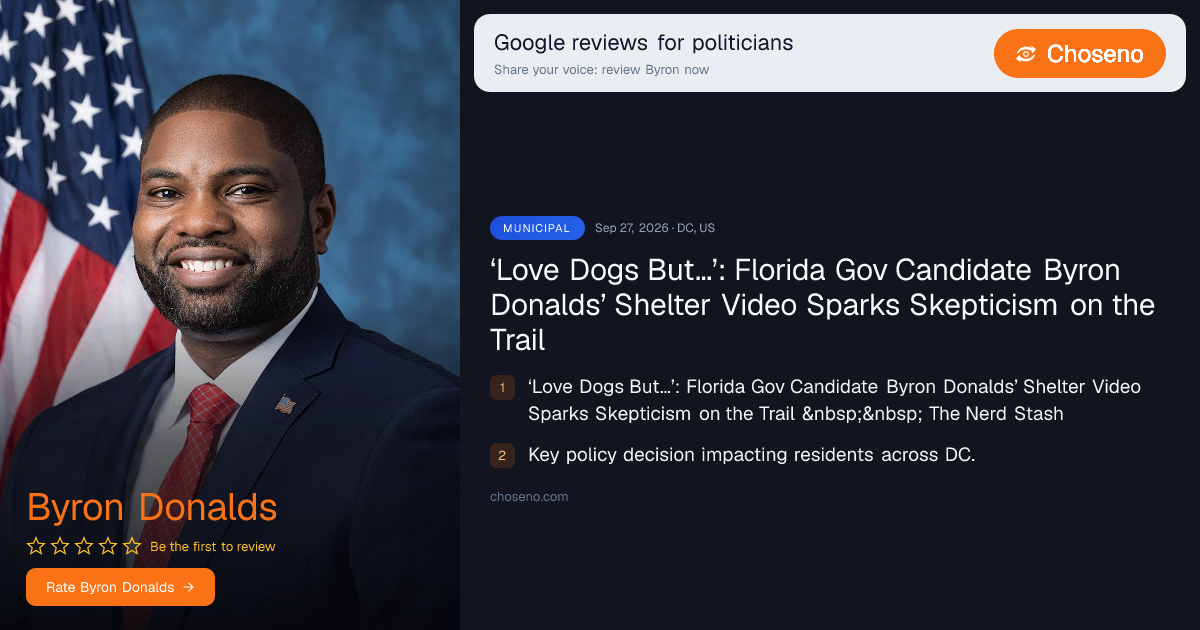
‘Love Dogs But…’: Florida Gov Candidate Byron Donalds’ Shelter Video Sparks Skepticism on the Trail
‘Love Dogs But…’: Florida Gov Candidate Byron Donalds’ Shelter Video Sparks Skepticism on the Trail The Nerd Stash
Read full article
Municipal
US Sep 27, 2026
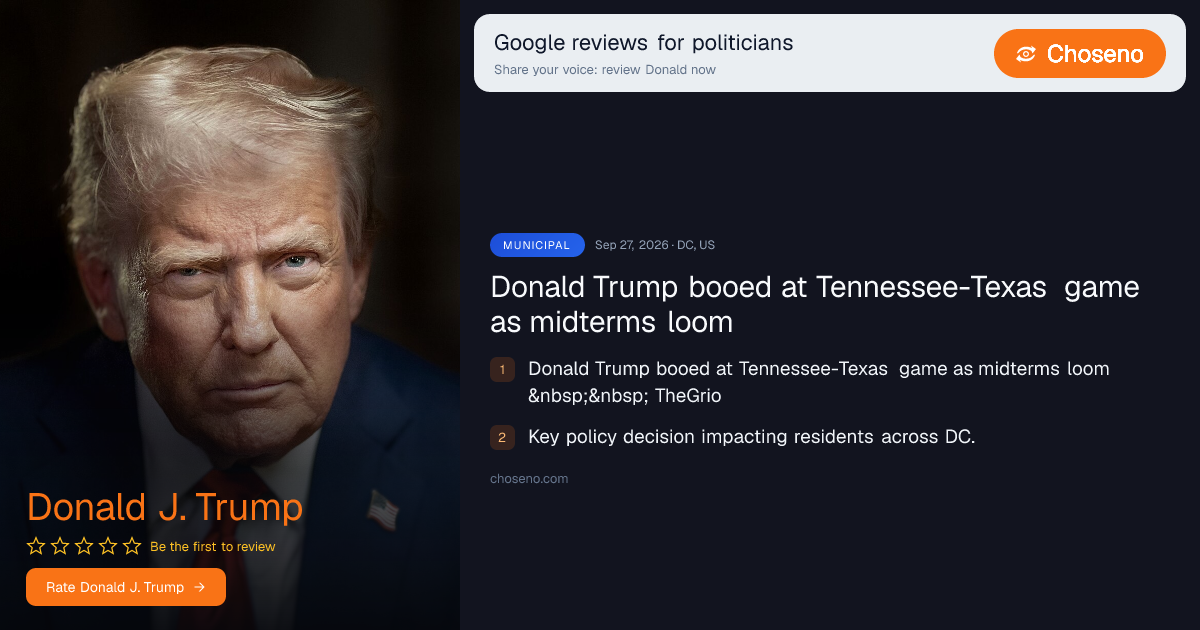
Donald Trump booed at Tennessee-Texas game as midterms loom
Donald Trump booed at Tennessee-Texas game as midterms loom TheGrio
Read full article
Municipal
US Sep 27, 2026
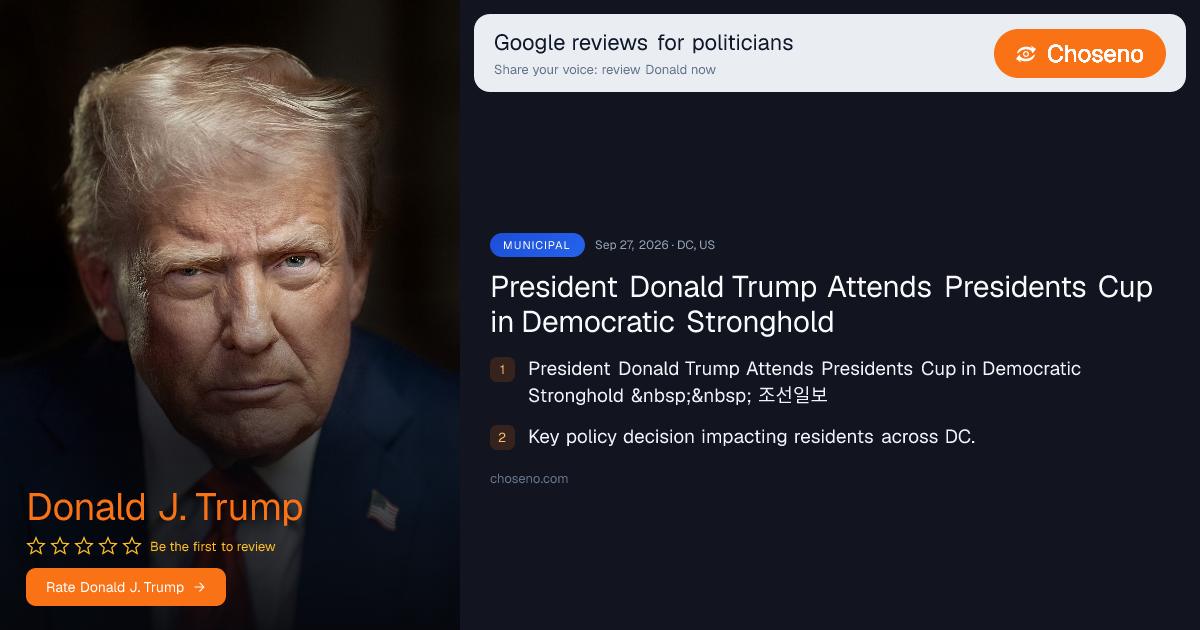
President Donald Trump Attends Presidents Cup in Democratic Stronghold
President Donald Trump Attends Presidents Cup in Democratic Stronghold 조선일보
Read full article