Electoral Ground Shifts as Decision Desk Elevates David Jolly to Toss-Up Status in Gubernatorial Race
David Jolly's gubernatorial campaign has received a significant boost after Decision Desk reclassified the race as a toss-up. This shift highlights a tightening political landscape across the state as candidates vie for crucial voter segments.
Choseno Civic News Desk September 24, 2026Updated September 28, 2026 3 min read DC, US
The political terrain in the state experienced a fundamental recalibration following an official reclassification by Decision Desk, which officially elevated David Jolly to true toss-up status in the ongoing gubernatorial race. This crucial adjustment shatters previous assumptions regarding partisan safety margins and reflects a profoundly tightening contest as campaigns enter their most intense phases. Electoral analysts tracking the daily metrics noted that shifting demographic tides, localized economic anxieties, and intense voter mobilization efforts have converged to alter the trajectory of the race significantly. Political observers across the ideological spectrum have pointed out that both major campaigns must now radically adapt their strategies, pivoting away from comfortable base-turnout models toward aggressive outreach campaigns aimed squarely at persuadable independents and suburban moderates who traditionally dictate the outcome of high-stakes statewide contests. The reclassification serves as an empirical validation of internal campaign tracking that has long suggested the race was far closer than initial prognostications indicated, injecting renewed urgency, donor enthusiasm, and volunteer momentum directly into the Jolly operation while simultaneously forcing defensive postures among opposing camps.
At the heart of this competitive surge lies a complex web of economic anxieties and taxpayer stakes that are dominating town halls and neighborhood forums across every corner of the state. Working families and small business owners are increasingly vocal about the rising costs of living, property insurance crises, and localized infrastructural burdens, creating a fertile environment for challengers proposing fresh executive directions. Independent fiscal analysts reviewing the economic platforms of the respective candidates note that voters are weighing competing visions of state stewardship, particularly regarding budgetary transparency, corporate accountability, and the allocation of state resources to mitigate escalating cost-of-living pressures. Within this rigorous policy framework, the campaigns are locked in a fierce battle to claim the mantle of fiscal responsibility, utilizing granular data points regarding state tax burdens and public expenditures to sway skeptical constituencies. Community leaders and local stakeholders have emphasized that whoever ultimately secures the executive mansion will inherit profound legislative hurdles, requiring immense coalition-building capabilities to steer vital appropriations through a deeply divided state legislature while maintaining public trust on core economic deliverables.
Beyond immediate economic pressures, the shifting electoral ground has galvanized intense community debates concerning statutory priorities, civil rights, and the overall trajectory of state governance for the next decade. Grassroots organizations representing diverse coalitions are actively mobilizing across urban centers and rural outposts alike, pushing candidates to articulate concrete policy solutions for public education funding, environmental resilience, and workforce development. Campaign insiders speaking anonymously to regional correspondents acknowledge that capturing these fragmented voter segments requires meticulous ground-game execution, leveraging targeted digital messaging alongside traditional door-to-door canvassing to reach low-propensity voters who could ultimately tip the balance in a dead-heat election. As both campaigns ramp up their television and digital advertising expenditures following the toss-up designation, public discourse has grown increasingly polarized, with each side attempting to frame the opponent as out of touch with mainstream values. This intense scrutiny ensures that every public appearance, policy white paper, and debate performance will be heavily dissected by both the electorate and objective civic journalists committed to maintaining absolute accountability throughout the remainder of the election cycle.
Rate the people mentioned in this article
Related Coverage in Municipal
See all Municipal newsMunicipal
US Sep 27, 2026
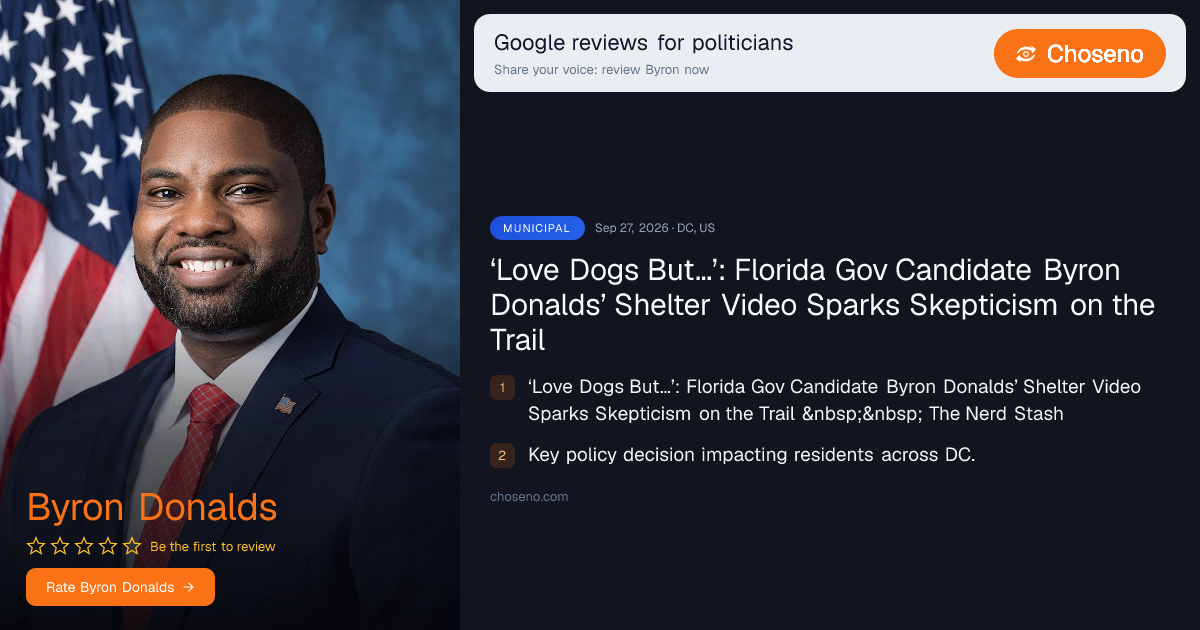
‘Love Dogs But…’: Florida Gov Candidate Byron Donalds’ Shelter Video Sparks Skepticism on the Trail
‘Love Dogs But…’: Florida Gov Candidate Byron Donalds’ Shelter Video Sparks Skepticism on the Trail The Nerd Stash
Read full article
Municipal
US Sep 27, 2026
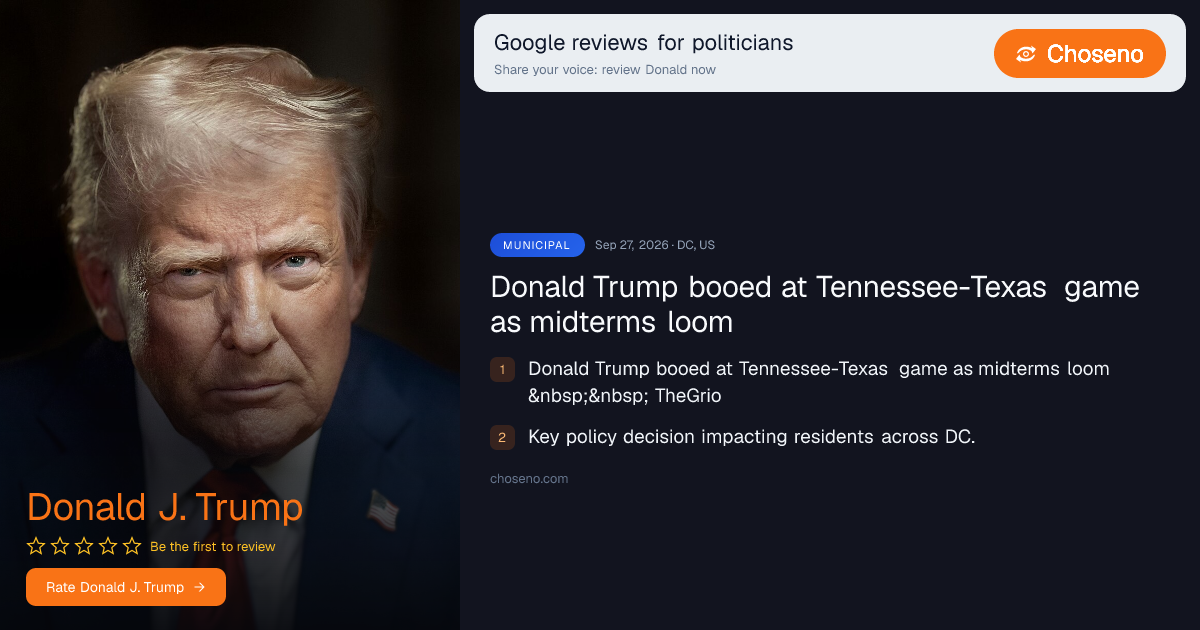
Donald Trump booed at Tennessee-Texas game as midterms loom
Donald Trump booed at Tennessee-Texas game as midterms loom TheGrio
Read full article
Municipal
US Sep 27, 2026
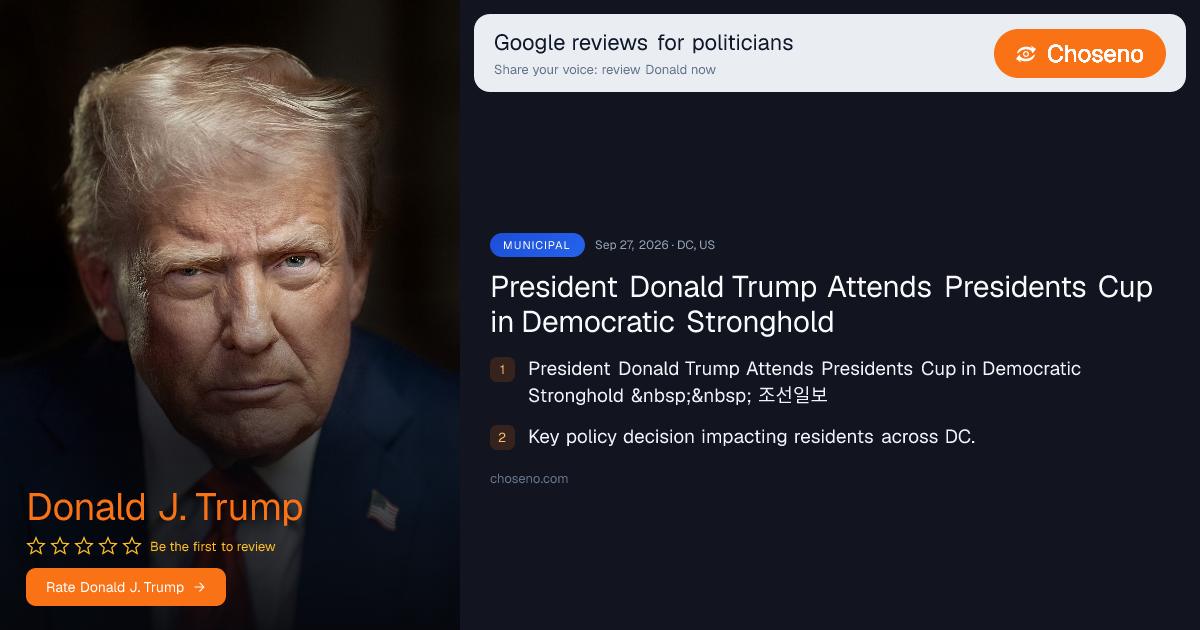
President Donald Trump Attends Presidents Cup in Democratic Stronghold
President Donald Trump Attends Presidents Cup in Democratic Stronghold 조선일보
Read full article