New Jersey Executive Leadership Crisis Deepens Following Confidential Internal Investigation
New Jersey Governor Phil Murphy has formally requested the resignation of Lieutenant Governor Tahesha Way following the conclusion of a confidential internal probe. The development marks a significant shift in the state's executive branch as officials grapple with the implications of the undisclosed findings.
Choseno Civic News Desk September 25, 2026 3 min read New Jersey, US
What do you think of the people in this story? Rate them anonymously — tap a face below.
The political landscape in New Jersey has shifted dramatically following the decision by Governor Phil Murphy to demand the resignation of his second-in-command, Lieutenant Governor Tahesha Way. This executive action follows the conclusion of a secretive internal investigation that has remained largely shielded from public scrutiny, leaving both political analysts and the general electorate to speculate on the nature of the findings. While the administration has maintained a posture of strict confidentiality regarding the specific allegations or evidence uncovered during the probe, the gravity of the Governor’s request suggests that the internal review identified substantial issues regarding professional conduct or administrative integrity. This situation places the executive branch in a precarious position, as the Lieutenant Governor serves not only as the successor to the governorship but also as a key figure in the management of critical state departments, including the Department of State, which oversees elections and business filings. The lack of transparency surrounding the investigation has prompted calls from various civic groups for a more detailed accounting of the events that led to this sudden demand for a high-level departure.
From a statutory perspective, the resignation of a Lieutenant Governor triggers a complex set of constitutional requirements regarding the continuity of government and the potential for a vacancy in the office. New Jersey law provides specific frameworks for how such vacancies are filled, yet the current circumstances surrounding this forced resignation raise questions about the vetting processes and oversight mechanisms currently in place for the state’s highest-ranking officials. Taxpayers are increasingly concerned about the potential for administrative instability, particularly given the Lieutenant Governor’s role in overseeing significant state-funded initiatives and public-facing programs. The financial implications of this leadership transition, including the potential for legal costs associated with the investigation and the subsequent administrative reshuffling, remain a point of contention. Critics argue that the public deserves a comprehensive explanation of the events, asserting that the use of secretive probes to resolve executive-level conflicts undermines the principles of democratic accountability and fiscal responsibility that the state government is obligated to uphold.
Community leaders and political observers have expressed a wide range of reactions to the news, with many highlighting the erosion of public trust that occurs when high-level executive actions are shrouded in mystery. The debate centers on the tension between the need for internal executive discretion and the public’s right to understand the circumstances under which their elected officials are removed from office. Some observers suggest that the administration’s refusal to disclose the findings of the probe may be an attempt to mitigate political fallout, while others contend that such secrecy is a standard, albeit frustrating, component of internal personnel management. Regardless of the intent, the situation has created a vacuum of information that is being filled by speculation, which in turn complicates the Governor’s ability to maintain a unified front as the administration approaches the end of its current term. The ongoing discourse reflects a broader frustration with the perceived lack of transparency in Trenton, where the mechanisms of power often operate behind closed doors, far removed from the scrutiny of the citizens who are ultimately affected by these executive decisions.
As the administration navigates the fallout from this request, the focus will likely shift toward the process of selecting a successor and the potential for legislative oversight into the circumstances of the investigation. The Governor’s office faces the difficult task of restoring confidence in the executive branch while simultaneously managing the logistical challenges of a leadership transition. For the people of New Jersey, the incident serves as a stark reminder of the importance of robust oversight and the necessity of maintaining clear, transparent standards for all public servants, regardless of their rank. The coming weeks will be critical in determining whether the administration can provide the necessary clarity to satisfy public demand or if the secrecy surrounding the probe will continue to fuel skepticism and political instability. The ultimate impact of this resignation on the state’s policy agenda and the Governor’s legacy remains to be seen, but the current crisis has undeniably altered the trajectory of the administration’s final chapters, forcing a reevaluation of the internal culture and governance practices that define the state’s executive leadership.
Rate the people mentioned in this article

Related Coverage in Municipal
See all Municipal newsMunicipal
US Sep 27, 2026
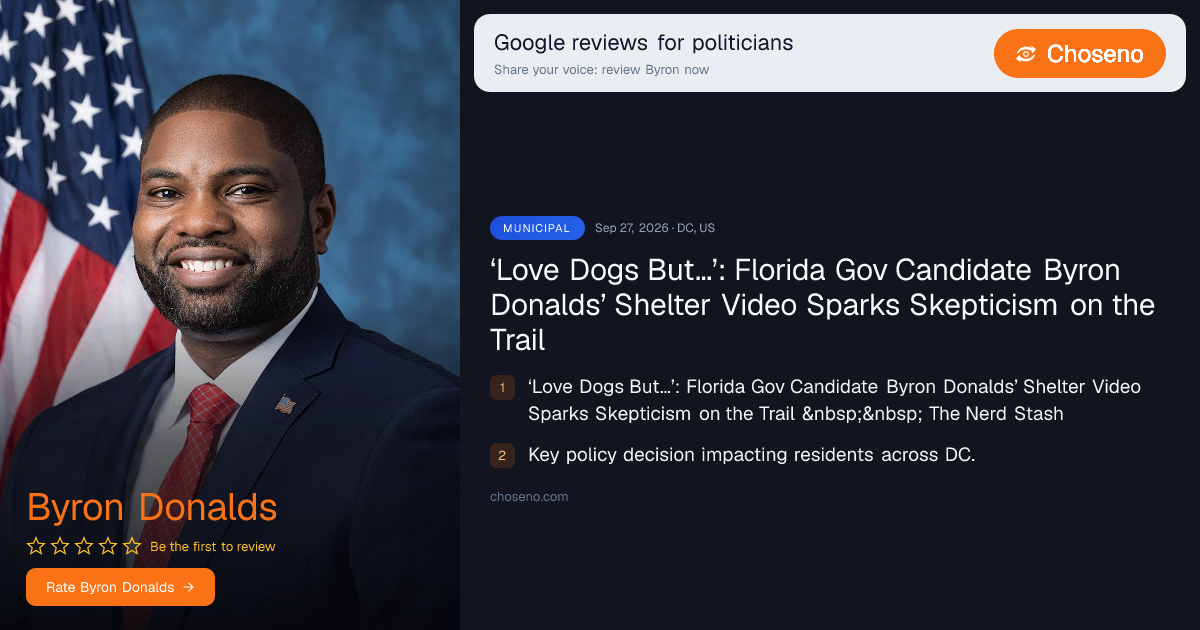
‘Love Dogs But…’: Florida Gov Candidate Byron Donalds’ Shelter Video Sparks Skepticism on the Trail
‘Love Dogs But…’: Florida Gov Candidate Byron Donalds’ Shelter Video Sparks Skepticism on the Trail The Nerd Stash
Read full article
Municipal
US Sep 27, 2026
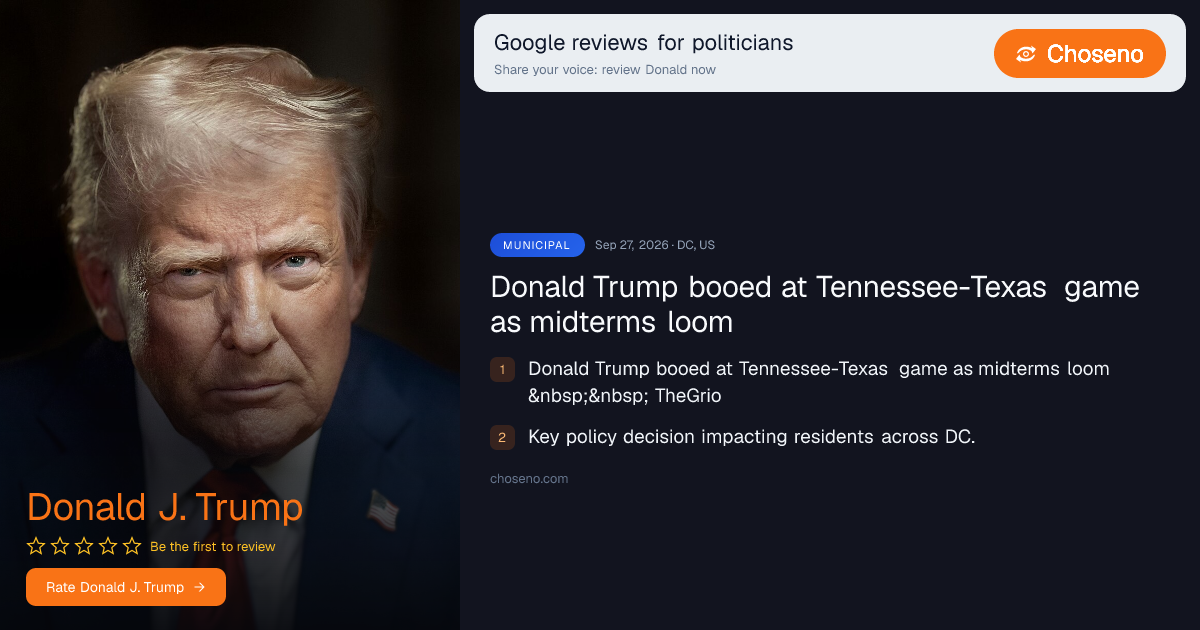
Donald Trump booed at Tennessee-Texas game as midterms loom
Donald Trump booed at Tennessee-Texas game as midterms loom TheGrio
Read full article
Municipal
US Sep 27, 2026
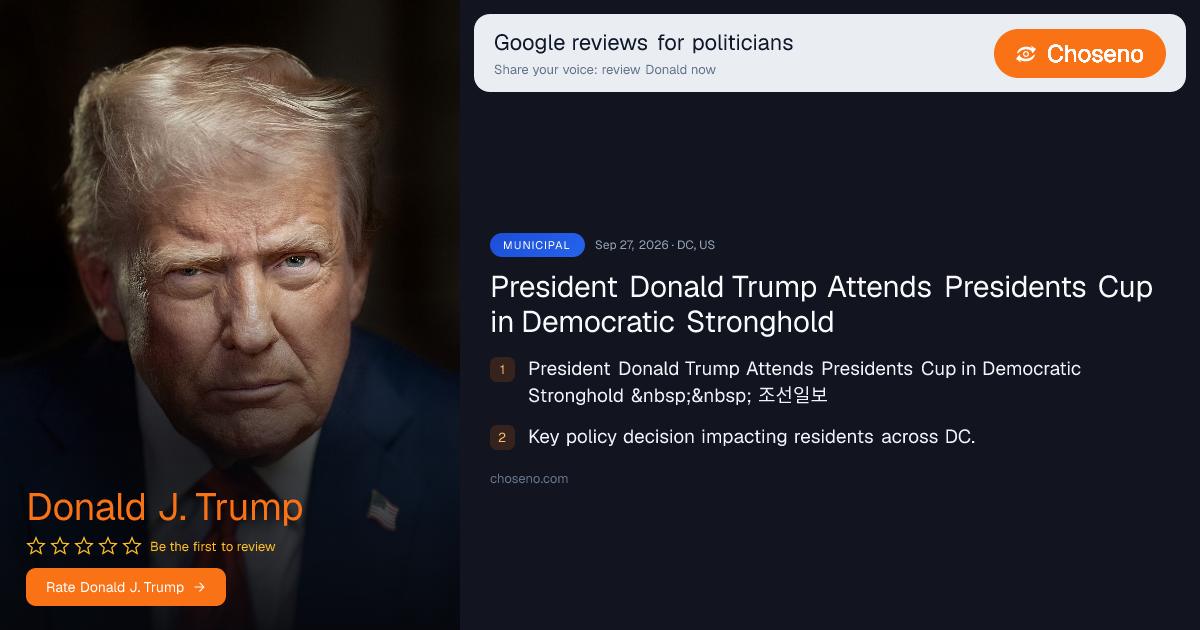
President Donald Trump Attends Presidents Cup in Democratic Stronghold
President Donald Trump Attends Presidents Cup in Democratic Stronghold 조선일보
Read full article