North Bay MPP Travel Expense Allocation Under Review Following Split-Billing Disclosure
Questions have emerged regarding the practice of splitting travel expenses by a North Bay MPP. The scrutiny focuses on the transparency and procedural adherence of provincial reimbursement claims.
Choseno Civic News Desk August 28, 2026 1 min read ON, CA
The financial reporting practices of a North Bay Member of Provincial Parliament have come under public scrutiny following reports of split travel expenses. According to reporting by TimminsToday.com, the situation has drawn the attention of political observers who are evaluating the implications of how these costs are categorized and claimed against public funds.
At the heart of the discussion is the procedural mechanism used to account for travel-related expenditures. While provincial representatives are entitled to reimbursement for travel necessary to fulfill their legislative duties, the practice of dividing these costs has raised questions regarding the clarity of financial oversight. Political experts analyzing the situation suggest that such billing methods can complicate the ability of taxpayers to track how public resources are utilized, potentially obscuring the true nature of individual travel events.
The discourse surrounding these expenses highlights a broader debate regarding the standards of accountability expected of elected officials. Proponents of rigorous expense reporting argue that every dollar must be clearly documented to maintain public trust, suggesting that any ambiguity in billing practices—even if technically permissible under current guidelines—can undermine the perceived integrity of the office. Conversely, the complexity of managing travel between northern ridings and the provincial capital often necessitates nuanced accounting, which some argue is a functional necessity rather than an attempt to circumvent transparency.
As the review of these expenses continues, the focus remains on whether the current provincial framework provides sufficient guardrails to prevent the fragmentation of costs from becoming a standard practice. The situation serves as a case study for the ongoing tension between the administrative realities of representing geographically dispersed ridings and the public demand for absolute fiscal transparency in government spending.
Related Coverage in Politics
See all Politics newsPolitics
US Aug 28, 2026
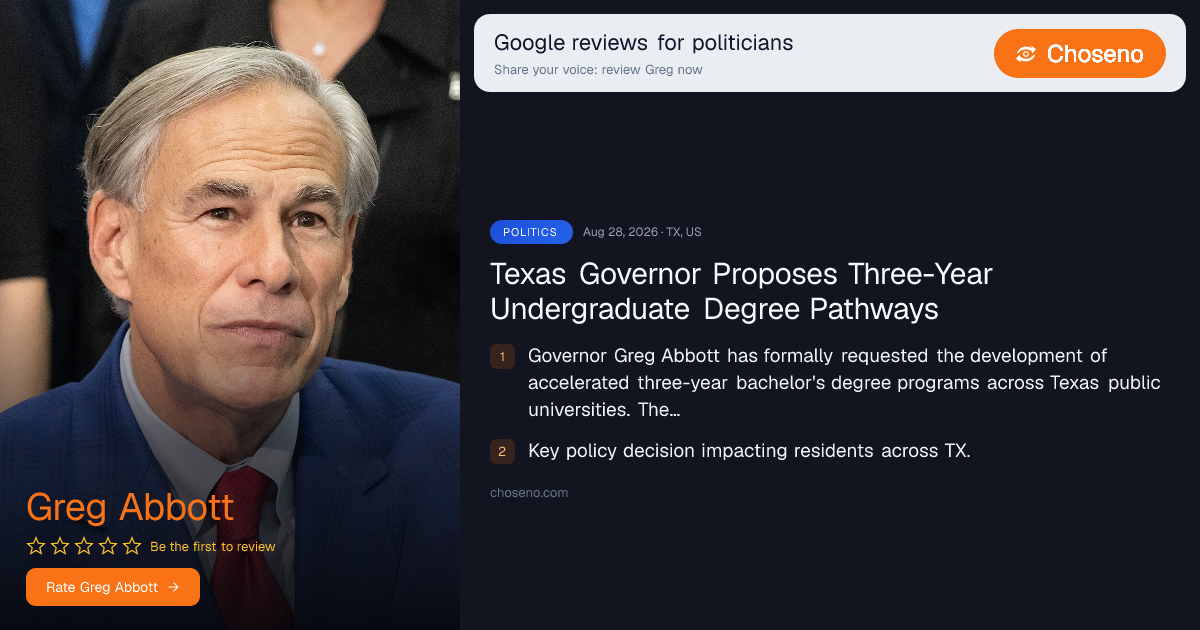
Texas Governor Proposes Three-Year Undergraduate Degree Pathways
Governor Greg Abbott has formally requested the development of accelerated three-year bachelor's degree programs across Texas public universities. The initiative aims to reduce the financial burden on students by shortening the time required to complete undergraduate studies.
Read full article
Politics
US Aug 28, 2026
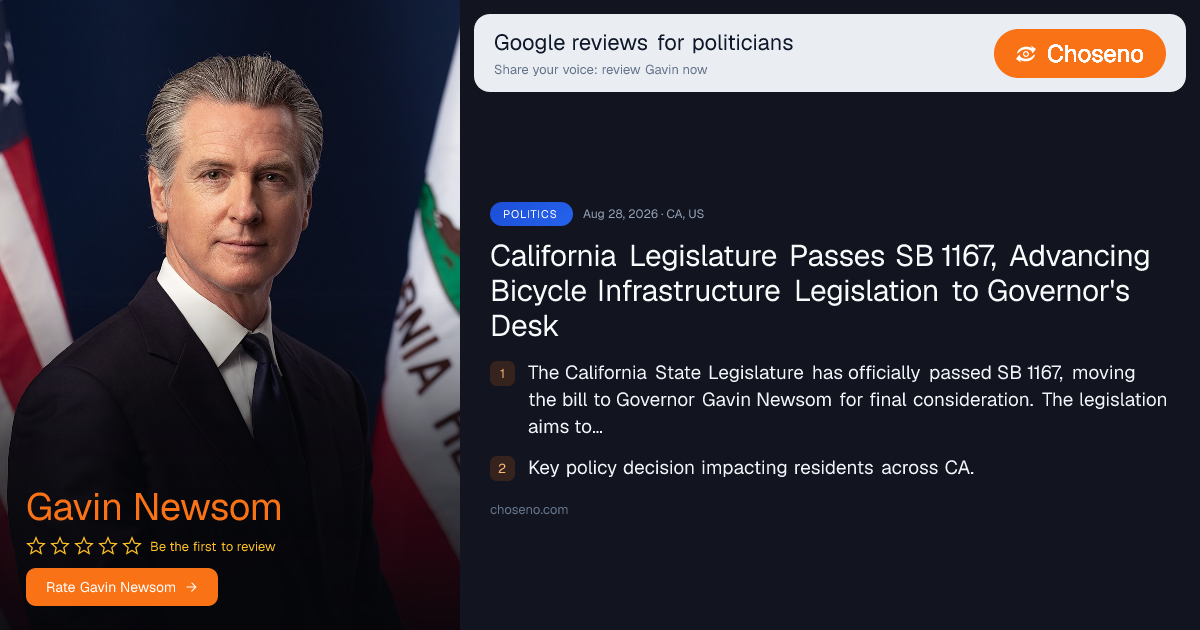
California Legislature Passes SB 1167, Advancing Bicycle Infrastructure Legislation to Governor's Desk
The California State Legislature has officially passed SB 1167, moving the bill to Governor Gavin Newsom for final consideration. The legislation aims to address state-level bicycle infrastructure standards and safety protocols.
Read full article
Politics
CA Aug 28, 2026
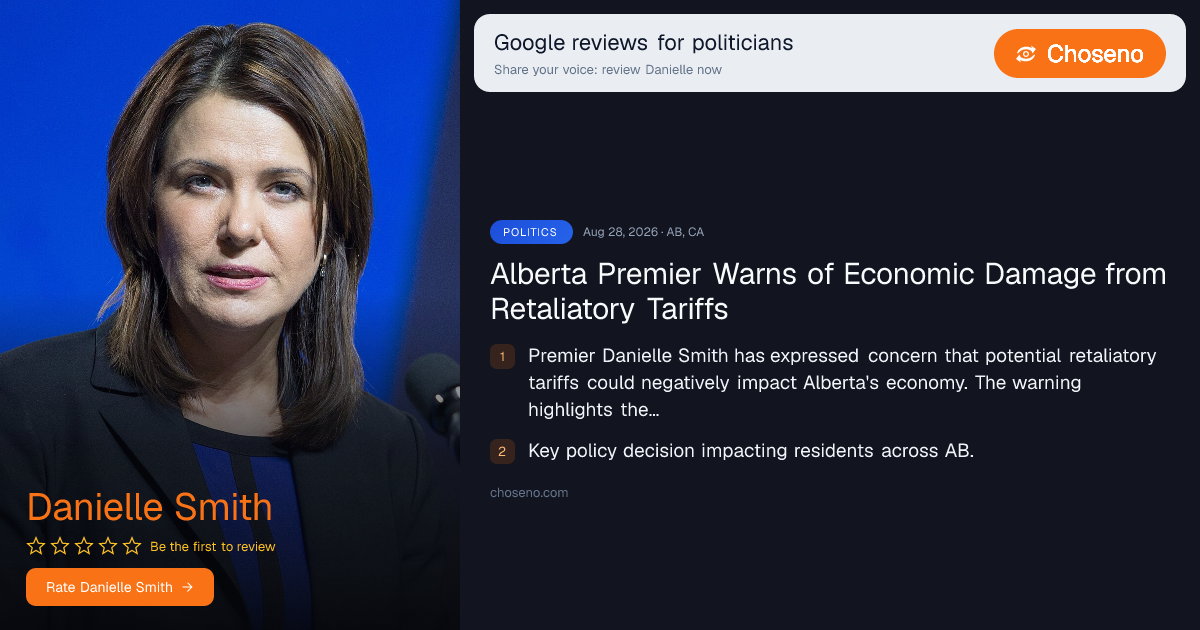
Alberta Premier Warns of Economic Damage from Retaliatory Tariffs
Premier Danielle Smith has expressed concern that potential retaliatory tariffs could negatively impact Alberta's economy. The warning highlights the province's vulnerability to shifting international trade policies.
Read full article