Pennsylvania Gubernatorial Candidates Josh Shapiro and Stacy Garrity Agree to First Televised Debate Since 2018
Democratic Governor Josh Shapiro and Republican challenger Stacy Garrity have reached an agreement to participate in a live televised general election debate on October 7, restoring a statewide broadcast debate tradition that had lapsed since 2018.
Choseno Civic News Desk September 7, 2026 3 min read Pennsylvania, US
What do you think of the people in this story? Rate them anonymously — tap a face below.
Democratic Governor Josh Shapiro and Republican challenger Stacy Garrity have finalized an agreement to participate in a live televised debate ahead of the November general election, re-establishing a vital tradition of direct candidate forums in Pennsylvania executive politics that had lapsed for nearly a decade. Scheduled for October 7 in Harrisburg, the primetime broadcast will mark the first formal, televised gubernatorial debate in the Commonwealth since 2018, providing voters statewide with an unmediated comparison of competing governing philosophies.
The broadcast arrangement, hosted by television station ABC27 in the state capital and syndicated across Nexstar Media television affiliates throughout Pennsylvania, ends years of procedural stalemates surrounding executive debate formats. During the 2022 gubernatorial cycle, voters were deprived of a candidate debate when negotiations between Shapiro and Republican nominee Doug Mastriano collapsed over disputes regarding moderator selection, staging parameters, and editorial conditions. Campaign representatives for both Shapiro and Garrity confirmed that the upcoming sixty-minute forum will feature standard journalistic moderation led by veteran capital correspondent Dennis Owens, adhering to traditional debate rules without pre-screened questions.
For Governor Shapiro, who is seeking a second four-year term while navigating frequent national speculation regarding future federal office, the debate offers a statewide platform to defend his administration’s record on economic development, infrastructure permitting, and fiscal management. The incumbent executive is expected to highlight his administration’s rapid emergency reconstruction of Interstate 95 in Philadelphia, expansions of the state’s property tax and rent rebate program for seniors, and bipartisan budget negotiations that delivered record state funding for K-12 basic education without raising broad-based state income or sales taxes.
Conversely, Republican nominee Stacy Garrity, currently serving in her second term as Pennsylvania State Treasurer, enters the debate aiming to challenge the incumbent’s fiscal stewardship and elevate issues of government transparency. A retired United States Army Reserve officer who established statewide political standing by defeating an incumbent treasurer in 2020, Garrity has anchored her campaign to calls for restrained state spending, regulatory relief for the state’s natural gas and manufacturing sectors, and aggressive oversight of state agency expenditures. The Republican challenger has repeatedly criticized executive branch spending growth, questioned long-term allocations from the state’s Rainy Day Fund, and called for implementing universal school choice tax credits.
The televised confrontation comes amidst intense lobbying from major business and labor organizations, including the Pennsylvania Chamber of Business and Industry and regional building trades councils, who are seeking commitments regarding corporate net income tax phase-downs and energy infrastructure permitting. Both campaigns recognize that addressing energy transition policies and regional economic revitalization will be central to swaying undecided voters across southwestern energy counties and southeastern suburban corridors.
Civic integrity organizations and voting access coalitions across Pennsylvania welcomed the debate accord, emphasizing that televised debates remain indispensable for informing the electorate in a highly competitive swing state. Observers noted that the broadcast will reach key media markets across Philadelphia, Pittsburgh, the Lehigh Valley, Scranton, and central Pennsylvania, allowing voters to evaluate how each nominee plans to address escalating local infrastructure costs and transit agency operating deficits.
With mail-in ballots scheduled for distribution to registered voters shortly before the October broadcast, the debate will provide a defining moment in the gubernatorial contest, testing whether Garrity can alter the trajectory of the race or if Shapiro can solidify his broad electoral coalition heading into the final month of the campaign.
Rate the people mentioned in this article


Related Coverage in General
See all General newsGeneral
US Sep 25, 2026
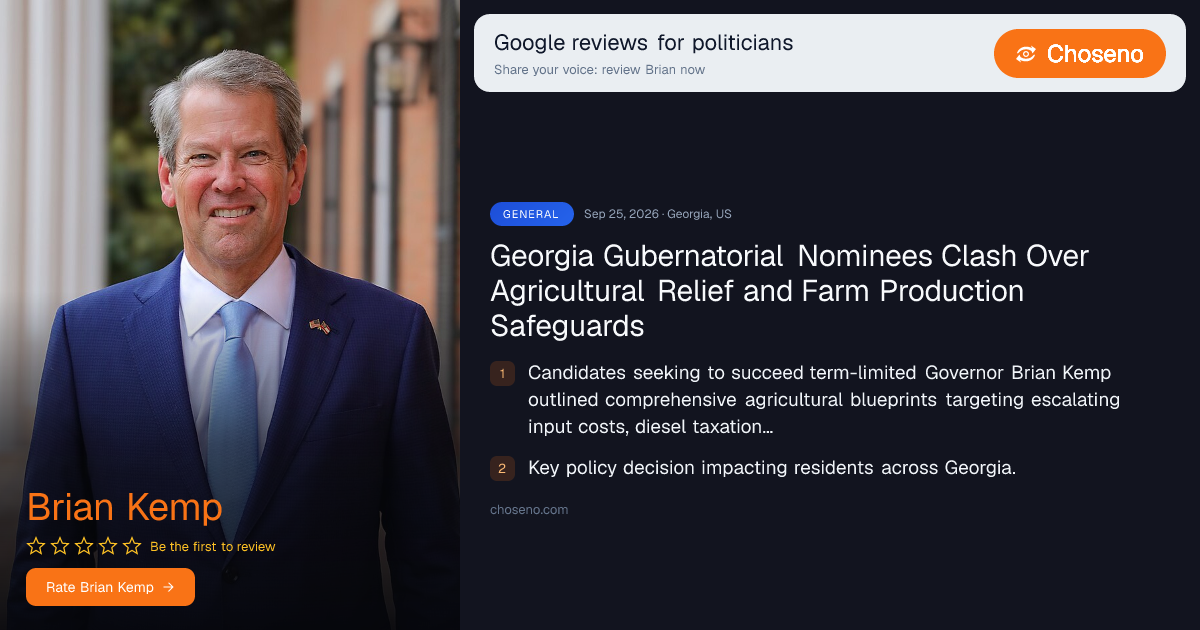
Georgia Gubernatorial Nominees Clash Over Agricultural Relief and Farm Production Safeguards
Candidates seeking to succeed term-limited Governor Brian Kemp outlined comprehensive agricultural blueprints targeting escalating input costs, diesel taxation relief, water allocations, and family farm preservation.
Read full article
General
US Sep 25, 2026
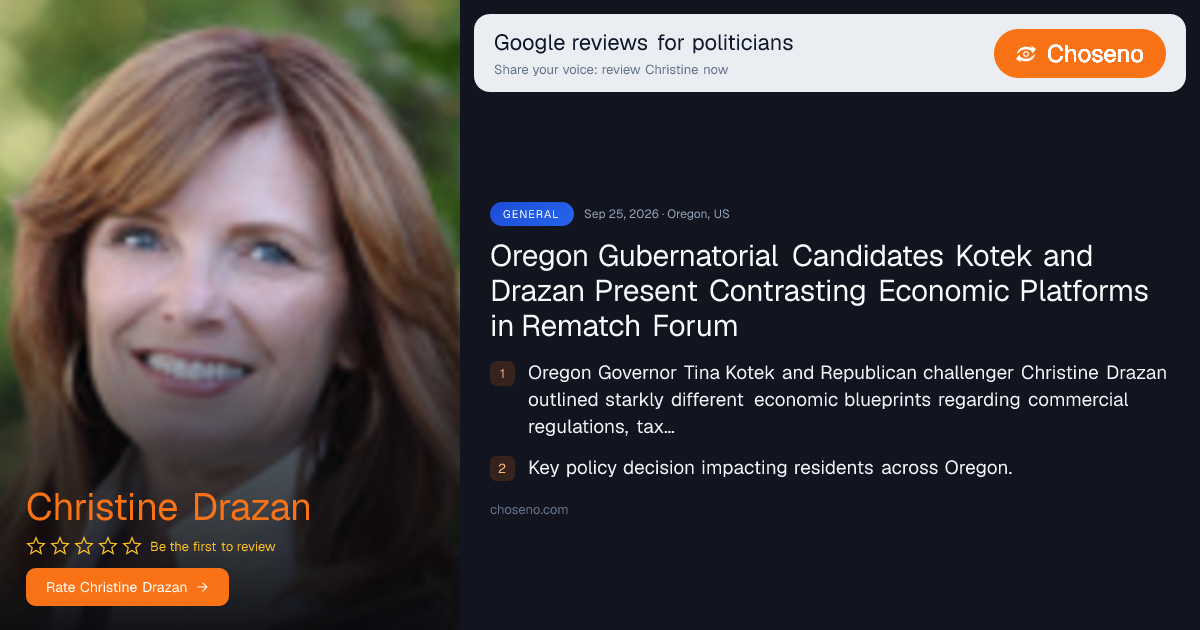
Oregon Gubernatorial Candidates Kotek and Drazan Present Contrasting Economic Platforms in Rematch Forum
Oregon Governor Tina Kotek and Republican challenger Christine Drazan outlined starkly different economic blueprints regarding commercial regulations, tax structures, and industrial competitiveness at a Portland business forum.
Read full article
General
US Sep 25, 2026
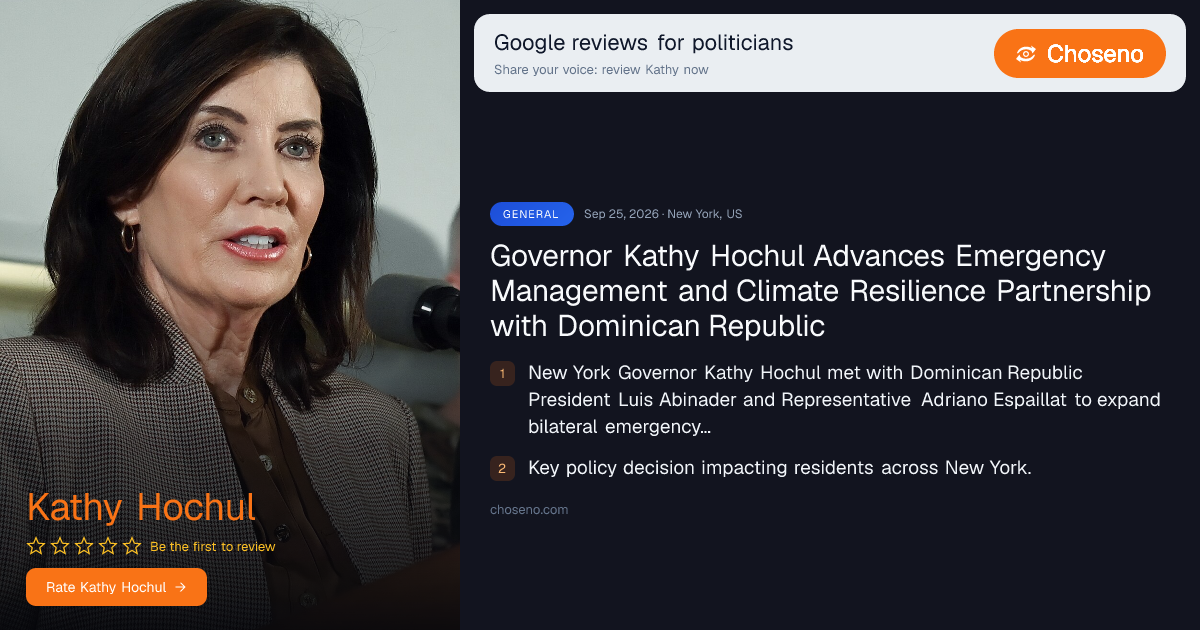
Governor Kathy Hochul Advances Emergency Management and Climate Resilience Partnership with Dominican Republic
New York Governor Kathy Hochul met with Dominican Republic President Luis Abinader and Representative Adriano Espaillat to expand bilateral emergency management cooperation, training exchanges, and environmental resilience.
Read full article