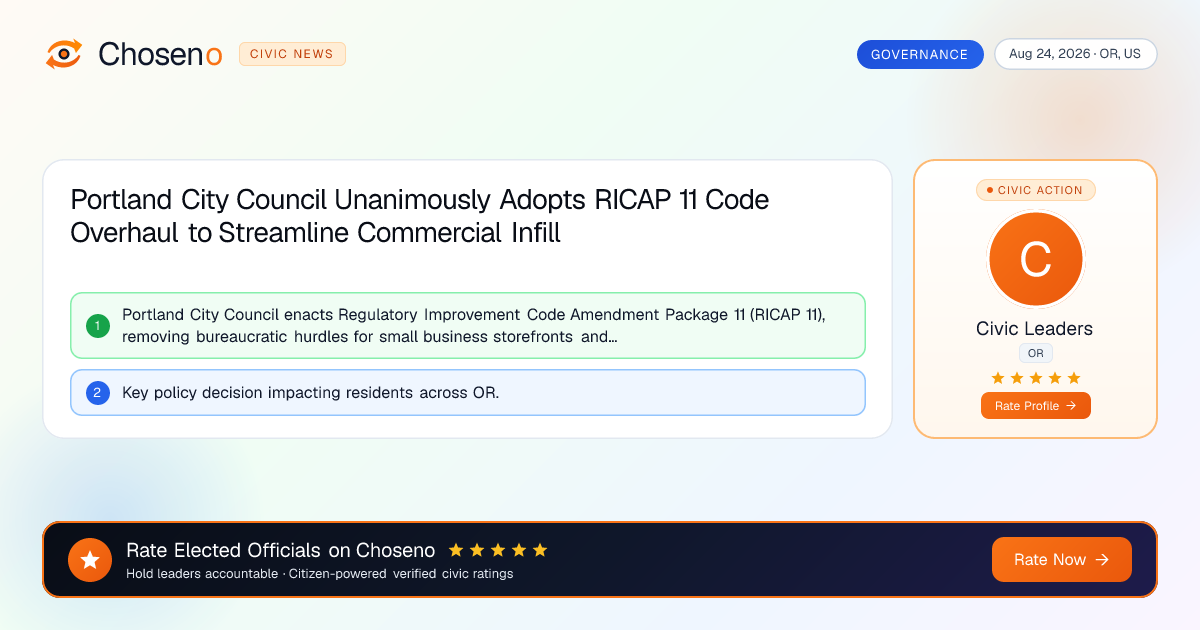
Portland City Council Unanimously Adopts RICAP 11 Code Overhaul to Streamline Commercial Infill
Portland City Council enacts Regulatory Improvement Code Amendment Package 11 (RICAP 11), removing bureaucratic hurdles for small business storefronts and adaptive reuse projects.
Choseno Civic Administration Bureau August 24, 2026 1 min read OR, US
★ Choseno Civic Briefing
Key Leaders
PORTLAND, OR — The Portland City Council voted unanimously to adopt the Regulatory Improvement Code Amendment Package 11 (RICAP 11), enacting broad zoning and development code updates across Title 33 of the Portland City Code.
Modernizing Municipal Code for Small Business Vitality
The RICAP 11 amendments streamline the administrative permit review path for commercial ground-floor conversions, exempt small retail and restaurant operators from complex conditional use reviews, and modernize bicycle parking dimensional regulations for historic downtown buildings. City planners project the amendments will cut commercial tenant improvement permitting timelines by 30 days.
City Council leadership affirmed that modernizing commercial code rules removes bureaucratic barriers, supporting small entrepreneurs and revitalizing downtown commercial corridors.
Business Alliance and Neighborhood Perspectives
The Portland Business Alliance commended the reduction in discretionary land-use fees for small business renovations.
Neighborhood district coalitions expressed appreciation for retaining clear environmental buffer requirements in residential zones.
Effective Date
The RICAP 11 amendments take full legal effect across the City of Portland on November 1, 2026.
Related Coverage in Governance
See all Governance newsGovernance
US Aug 24, 2026
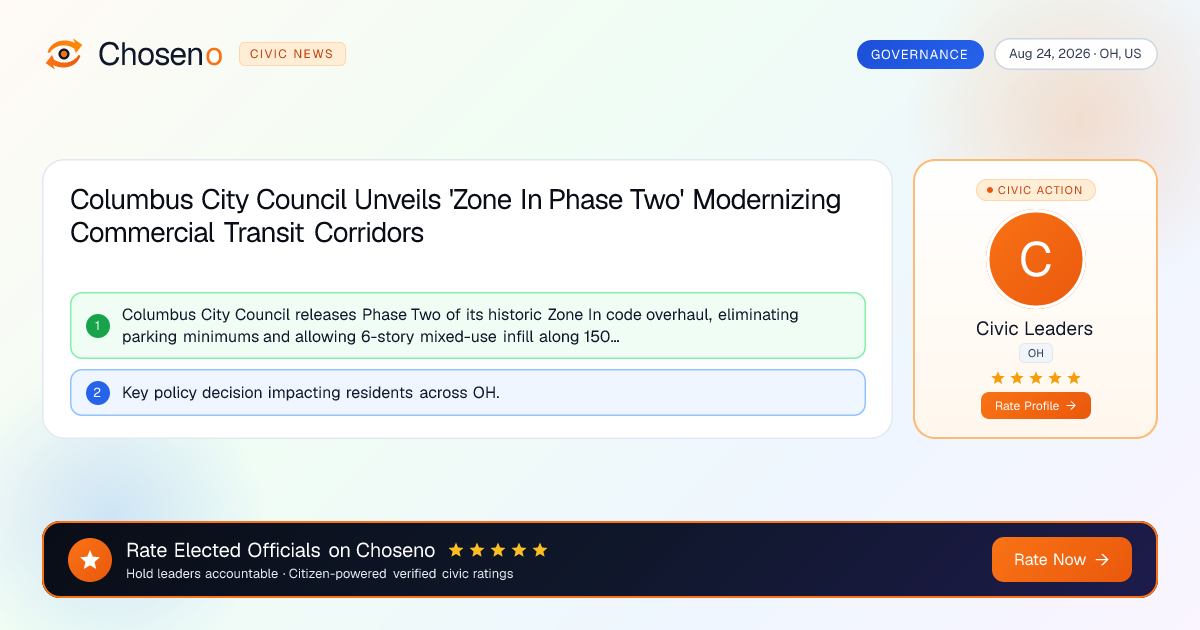
Columbus City Council Unveils 'Zone In Phase Two' Modernizing Commercial Transit Corridors
Columbus City Council releases Phase Two of its historic Zone In code overhaul, eliminating parking minimums and allowing 6-story mixed-use infill along 150 miles of arterial bus transit corridors.
Read full article
Governance
CA Aug 24, 2026
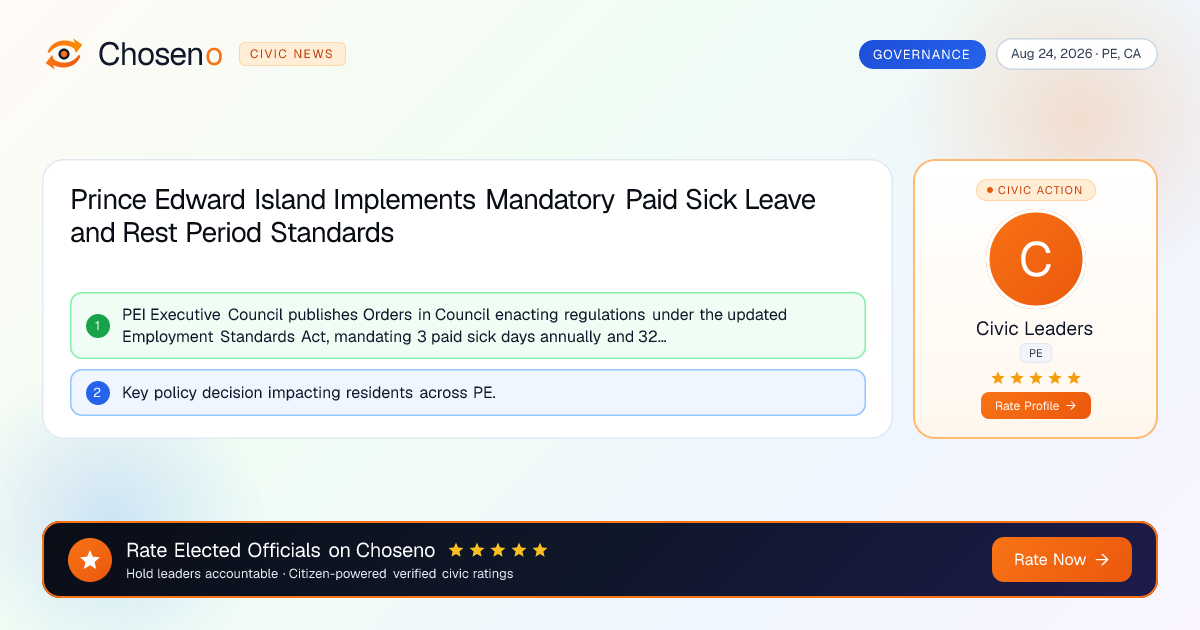
Prince Edward Island Implements Mandatory Paid Sick Leave and Rest Period Standards
PEI Executive Council publishes Orders in Council enacting regulations under the updated Employment Standards Act, mandating 3 paid sick days annually and 32 consecutive hours of weekly rest.
Read full article
Governance
CA Aug 24, 2026
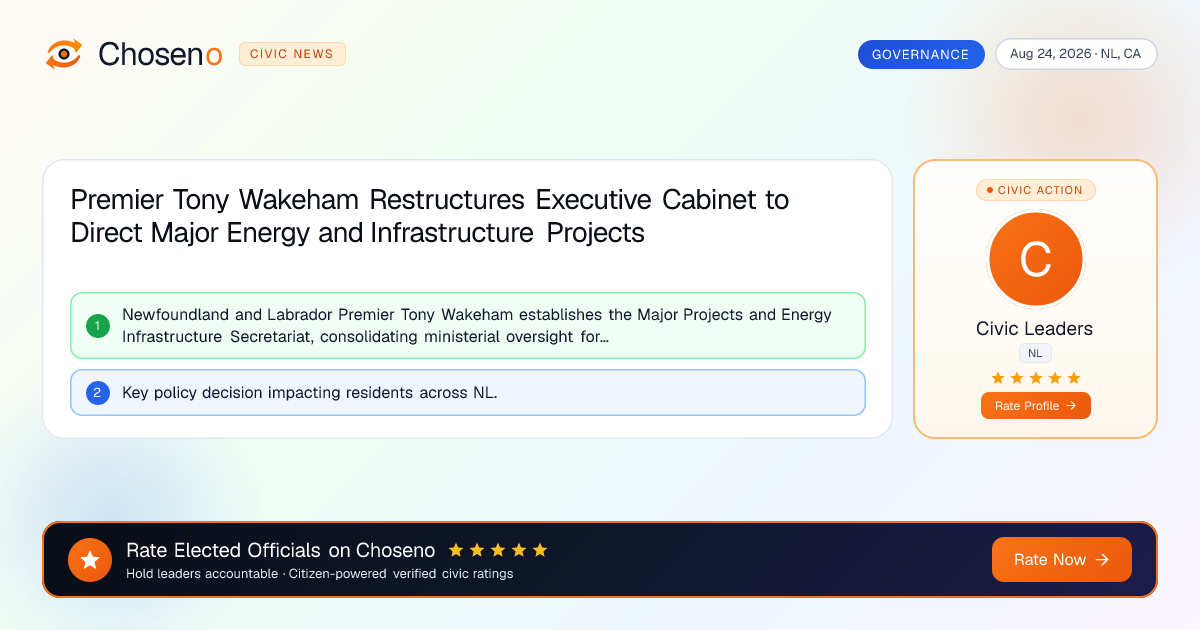
Premier Tony Wakeham Restructures Executive Cabinet to Direct Major Energy and Infrastructure Projects
Newfoundland and Labrador Premier Tony Wakeham establishes the Major Projects and Energy Infrastructure Secretariat, consolidating ministerial oversight for Churchill Falls expansion and offshore wind.
Read full article