Siena College Research Indicates Governor Hochul Maintains Lead Over Challenger Blakeman in New York Gubernatorial Race
A recent Siena College poll reveals Governor Kathy Hochul holds a ten-point lead over Republican challenger Bruce Blakeman among likely New York voters. The data highlights persistent partisan divides and voter concerns regarding the state's economic trajectory as the election cycle intensifies.
Choseno Civic News Desk September 26, 2026 3 min read New York, US
What do you think of the people in this story? Rate them anonymously — tap a face below.
The latest polling data released by the Siena College Research Institute provides a critical snapshot of the current political landscape in New York, revealing that Governor Kathy Hochul maintains a ten-point advantage over her Republican challenger, Nassau County Executive Bruce Blakeman. With the election approaching, the survey of likely voters indicates that Hochul commands forty-nine percent support compared to thirty-nine percent for Blakeman. This double-digit margin underscores the formidable challenge facing the Republican ticket as they attempt to bridge the gap in a state where Democratic enrollment significantly outnumbers the opposition. Analysts observing these figures suggest that while the incumbent holds a clear lead, the remaining undecided voters and the intensity of partisan mobilization will play a decisive role in the final outcome. The poll serves as a barometer for the efficacy of current executive strategies and the resonance of the opposition's platform, which has focused heavily on fiscal management and public safety concerns that continue to dominate the discourse among the electorate.
At the heart of this electoral contest lies a profound debate over the state's economic direction and the impact of executive actions on the average taxpayer. Governor Hochul has consistently defended her administration's record, emphasizing investments in infrastructure, housing initiatives, and efforts to stabilize the post-pandemic economy. Conversely, Bruce Blakeman has utilized his platform as a county executive to critique the state's tax burden and regulatory environment, arguing that current policies have stifled growth and contributed to an exodus of residents to more affordable jurisdictions. The Siena data suggests that these competing narratives are landing differently across various demographic groups, with suburban voters emerging as a critical battleground. The fiscal stakes for taxpayers remain high, as the next administration will be tasked with navigating complex budgetary pressures, including the funding of essential public services and the management of long-term debt obligations that have historically constrained New York's fiscal flexibility.
Beyond the immediate economic concerns, the campaign has become a referendum on the broader governance style and policy priorities of the current administration. The Siena poll highlights that while Hochul retains strong support among her base, there is a palpable sense of frustration among segments of the electorate regarding the pace of legislative progress on issues such as public safety and the cost of living. Blakeman has sought to capitalize on this sentiment by framing his candidacy as a necessary corrective to what he describes as a lack of accountability in Albany. His campaign strategy relies on mobilizing voters who feel alienated by the state's current trajectory, particularly in regions where concerns about crime and local tax rates have reached a fever pitch. The interplay between these local anxieties and the broader state-level policy agenda creates a complex environment for voters, who must weigh the benefits of continuity against the desire for a fundamental shift in executive leadership.
As the campaign enters its final phase, the focus will inevitably shift toward voter turnout and the ability of each candidate to effectively communicate their vision to a diverse and often divided electorate. The Siena College findings suggest that the race is not yet settled, as the ten-point gap leaves room for late-breaking developments to influence the final tally. Political strategists are closely monitoring how both campaigns will allocate their remaining resources, with a particular emphasis on media markets that reach undecided voters in the suburbs and upstate regions. The outcome of this election will have significant implications for the future of New York, determining the direction of state policy for the next four years and setting the tone for the state's role in the national political arena. Ultimately, the electorate is faced with a choice between two distinct visions for the state, and the polling data confirms that the path to victory remains contingent upon the ability of the candidates to address the core concerns of the citizens they seek to represent.
Rate the people mentioned in this article


Related Coverage in Municipal
See all Municipal newsMunicipal
US Sep 27, 2026
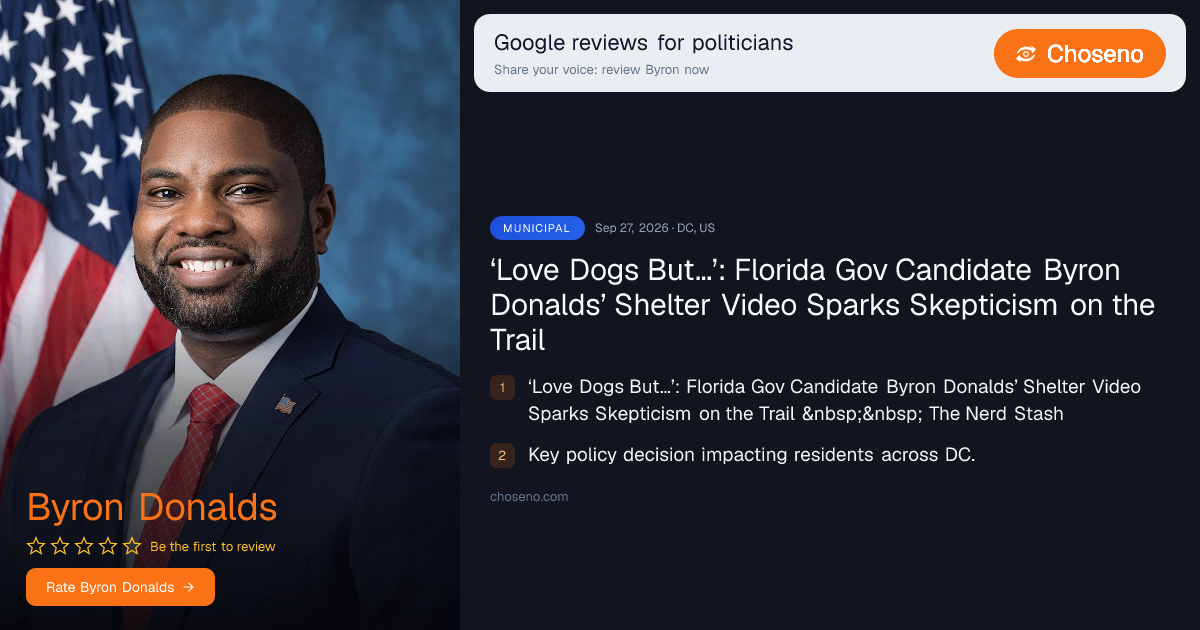
‘Love Dogs But…’: Florida Gov Candidate Byron Donalds’ Shelter Video Sparks Skepticism on the Trail
‘Love Dogs But…’: Florida Gov Candidate Byron Donalds’ Shelter Video Sparks Skepticism on the Trail The Nerd Stash
Read full article
Municipal
US Sep 27, 2026
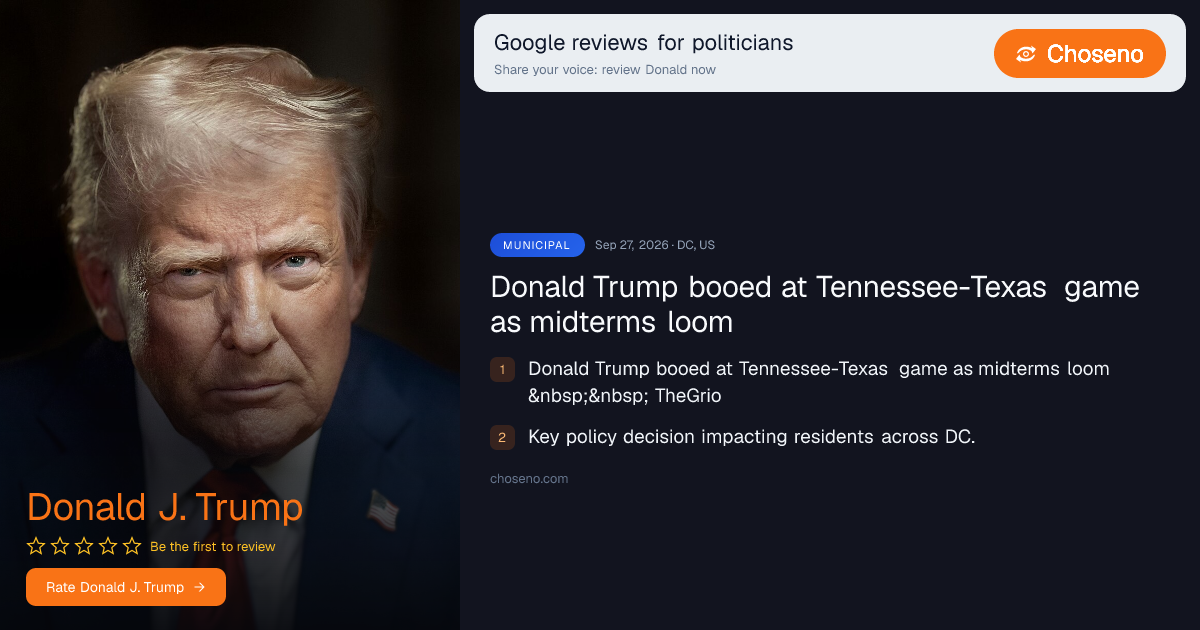
Donald Trump booed at Tennessee-Texas game as midterms loom
Donald Trump booed at Tennessee-Texas game as midterms loom TheGrio
Read full article
Municipal
US Sep 27, 2026
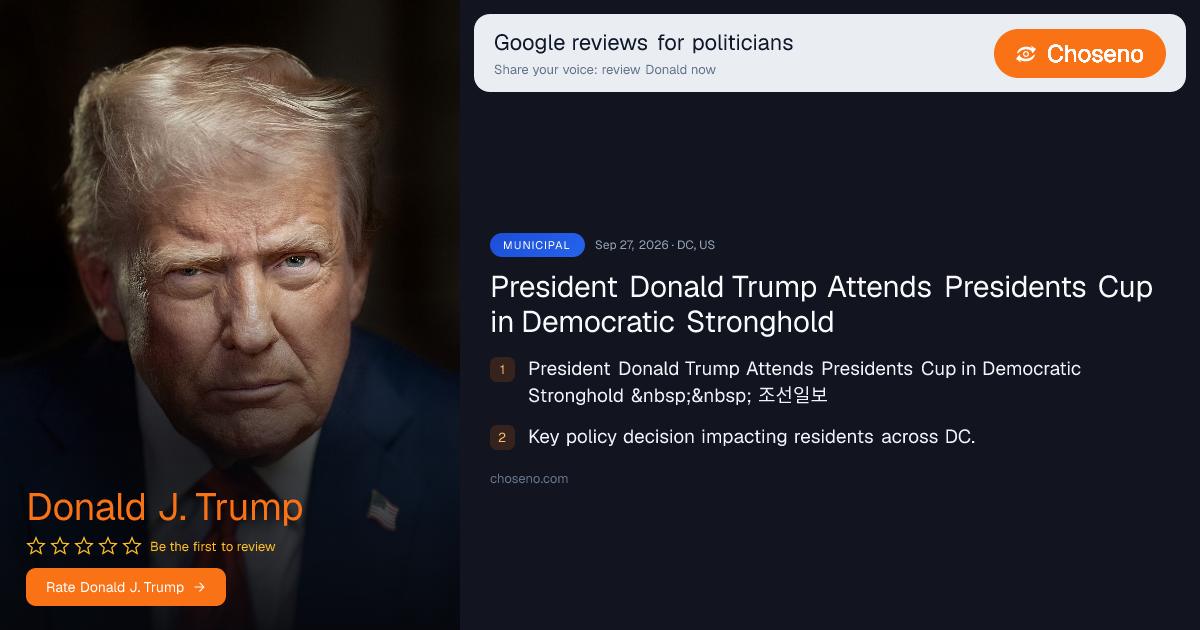
President Donald Trump Attends Presidents Cup in Democratic Stronghold
President Donald Trump Attends Presidents Cup in Democratic Stronghold 조선일보
Read full article