Technology Leaders Advocate for Unified Defense Against AI-Driven Cyber Threats
Major technology firms are calling for a coordinated industry response to mitigate the rising risks posed by AI-enabled cyberattacks. This initiative aims to leverage artificial intelligence for defensive security improvements, potentially impacting national digital infrastructure and cybersecurity spending.
Choseno Civic News Desk August 28, 2026 1 min read DC, US
Dateline: Washington, D.C.
On August 28, 2026, a coalition of leading technology firms, spearheaded by OpenAI, issued a formal call for collective action to address the escalating threat of AI-enabled cyberattacks. The initiative emphasizes the necessity of industry-wide cooperation to secure digital infrastructure against increasingly sophisticated automated threats.
Policy & Taxpayer Impact
According to reporting by The Hill Politics, the proposed strategy focuses on utilizing artificial intelligence to identify and remediate long-standing vulnerabilities within digital systems. For taxpayers, this shift represents a potential change in how government agencies and private sector partners allocate resources for cybersecurity, moving toward proactive, AI-driven defense mechanisms rather than reactive patching.
Political & Legal Stakes
This call for collective action highlights the growing intersection between private sector innovation and national security policy. As firms seek to establish new standards for digital defense, lawmakers are faced with the challenge of creating regulatory frameworks that encourage security collaboration without stifling technological competition or infringing on data privacy rights.
The Debate
Proponents of this initiative argue that the current window of opportunity allows defenders to utilize AI to fix systemic weaknesses that have persisted for years, ultimately creating a more secure digital environment. Conversely, critics and industry observers often raise concerns regarding the concentration of power among a few major tech firms, questioning whether such collective action might lead to industry-wide dependencies or reduced transparency in how security vulnerabilities are managed and reported.
Public Accountability Context
As this initiative gains momentum, the public and policymakers are tasked with monitoring how these private sector commitments translate into tangible security outcomes. The effectiveness of this collective approach will likely be measured by the reduction in successful cyberattacks and the transparency with which these firms share defensive intelligence with federal oversight bodies.
Related Coverage in Politics
See all Politics newsPolitics
US Aug 28, 2026
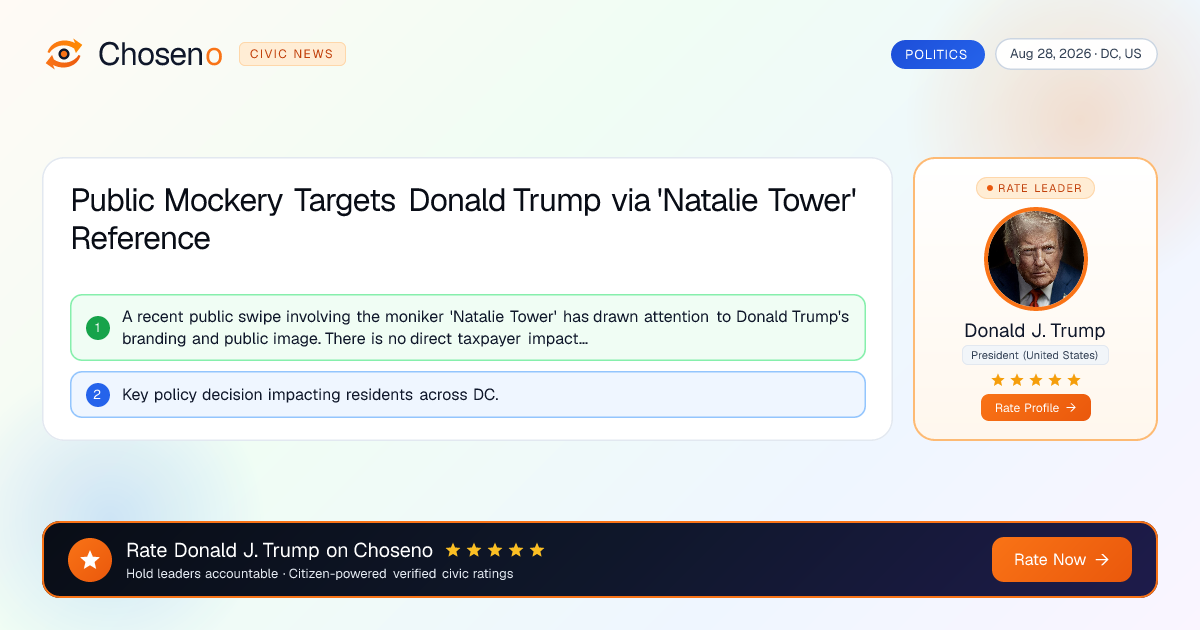
Public Mockery Targets Donald Trump via 'Natalie Tower' Reference
A recent public swipe involving the moniker 'Natalie Tower' has drawn attention to Donald Trump's branding and public image. There is no direct taxpayer impact associated with this specific rhetorical development.
Read full article
Politics
US Aug 28, 2026
California Prohibits Nondisclosure Agreements in State Lawmaking and Taxpayer Expenditures
California has enacted a ban on the use of nondisclosure agreements within state legislative processes and the allocation of taxpayer funds. This policy shift aims to increase transparency regarding how public money is spent and how state laws are formulated.
Read full article
Politics
CA Aug 28, 2026
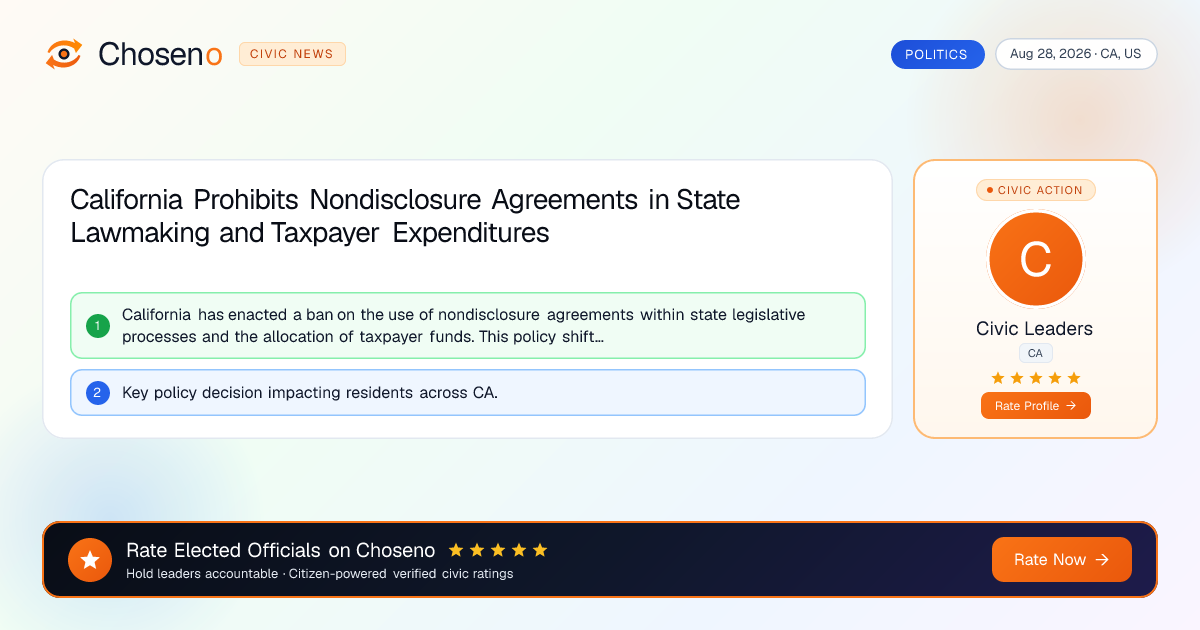
British Columbia Conservative Caucus Shrinks by Six Members Following Departure of Bruce Banman
The B.C. Conservative caucus has experienced the loss of six MLAs within a single month, significantly altering the legislative landscape. This shift in party composition raises questions regarding internal stability and the potential impact on upcoming provincial political operations.
Read full article