Technology Sector Initiates Unified Defense Strategy Against AI-Driven Cyber Threats
Major technology firms are coordinating a collective response to mitigate security risks posed by artificial intelligence in cyber warfare. This initiative aims to leverage defensive AI tools to address long-standing digital vulnerabilities without direct taxpayer funding at this stage.
Choseno Civic News Desk August 28, 2026 1 min read DC, US
Dateline Lead
Washington, D.C. — A coalition of technology companies, spearheaded by OpenAI, has formally called for a unified approach to counter the rising threat of AI-enabled cyberattacks. The initiative seeks to transition from individual firm security measures to a collaborative industry-wide defensive posture.
Policy & Taxpayer Impact
The proposed strategy focuses on utilizing artificial intelligence to identify and remediate long-standing digital vulnerabilities. While the initiative is currently industry-led, the potential impact on taxpayers involves the long-term stability of critical national infrastructure, which relies heavily on the security protocols maintained by these private technology firms.
Political & Legal Stakes
The move highlights a growing tension between rapid technological advancement and the regulatory frameworks governing digital safety. By seeking collective action, these firms are attempting to establish industry standards that may eventually influence federal cybersecurity policy and future legislative requirements for private sector data protection.
The Debate
Proponents of the collective action argue that the current window of opportunity allows defenders to utilize AI to fix systemic weaknesses that have persisted for years. Conversely, critics and privacy advocates express concern that industry-led standards could lack sufficient public oversight, potentially creating a centralized control mechanism that operates outside of traditional government transparency requirements.
Public Accountability Context
As this coalition develops, citizens and policymakers are tasked with monitoring how these private security standards align with national security interests. The effectiveness of this collective defense will likely be measured by the reduction in successful cyber intrusions and the transparency with which these firms share threat intelligence with federal agencies.
Related Coverage in Politics
See all Politics newsPolitics
CA Aug 28, 2026
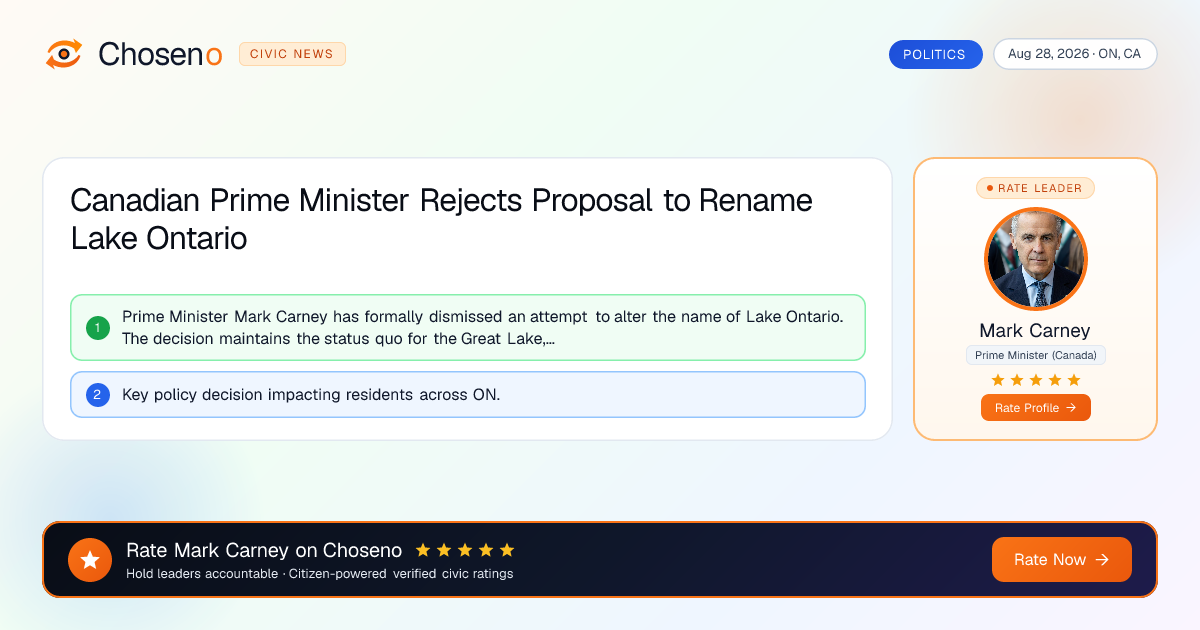
Canadian Prime Minister Rejects Proposal to Rename Lake Ontario
Prime Minister Mark Carney has formally dismissed an attempt to alter the name of Lake Ontario. The decision maintains the status quo for the Great Lake, avoiding potential administrative costs associated with a geographic renaming process.
Read full article
Politics
US Aug 28, 2026
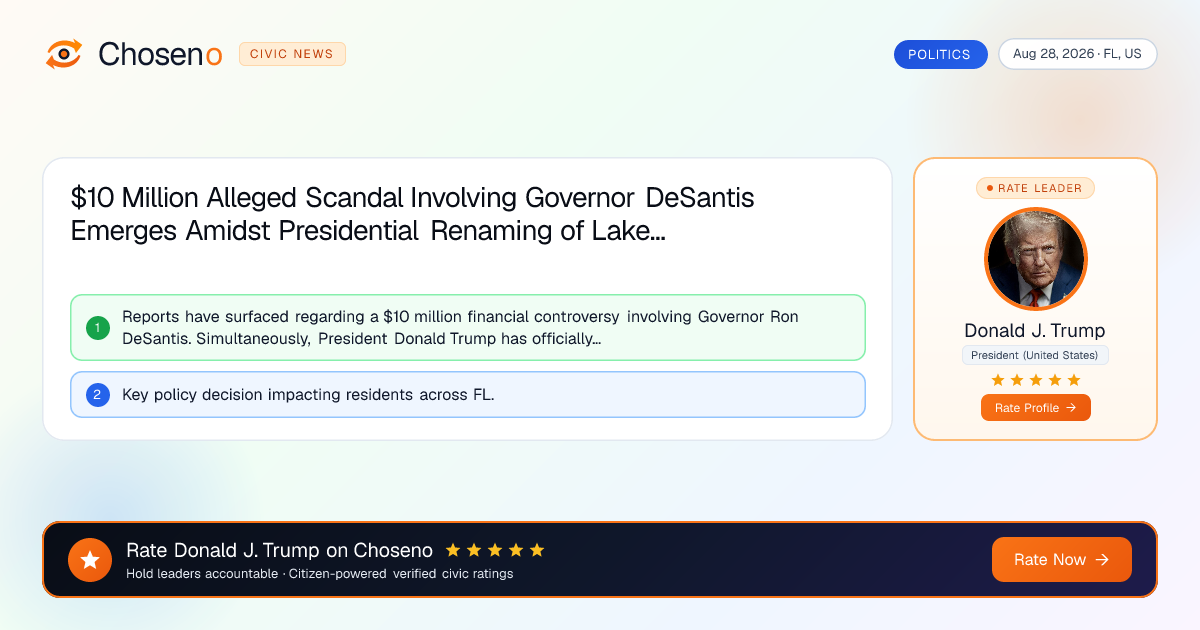
$10 Million Alleged Scandal Involving Governor DeSantis Emerges Amidst Presidential Renaming of Lake Ontario
Reports have surfaced regarding a $10 million financial controversy involving Governor Ron DeSantis. Simultaneously, President Donald Trump has officially announced the renaming of Lake Ontario.
Read full article
Politics
US Aug 28, 2026
California Legalizes Plug-in Balcony Solar Systems to Expand Renewable Access
California has enacted legislation permitting the use of plug-in or balcony solar systems for residents. This policy change aims to lower barriers to renewable energy adoption for tenants and homeowners living in smaller residential units.
Read full article