The Expanding Political Horizon of Governor Josh Shapiro in Pennsylvania
Recent polling data indicates that Governor Josh Shapiro is maintaining a commanding lead in Pennsylvania, signaling a potential landslide victory. This report examines the administrative strategies and economic policies that have solidified his standing among the electorate.
Choseno Civic News Desk September 24, 2026Updated September 25, 2026 3 min read Pennsylvania, US
The current political landscape in Pennsylvania suggests that Governor Josh Shapiro is positioned for a significant electoral victory, as recent data from Political Wire indicates a widening gap between the incumbent and his opposition. This trend reflects a broader consolidation of support across diverse demographics, suggesting that the administration has successfully navigated the complex partisan divides that historically define the Keystone State. Analysts observing these developments point to a combination of high-profile executive actions and a disciplined communication strategy that emphasizes pragmatic governance over ideological confrontation. By focusing on infrastructure investment, public education funding, and moderate fiscal policies, the governor has managed to appeal to a broad coalition of voters, including suburban moderates and traditional labor constituencies. This electoral momentum is not merely a product of campaign messaging but appears deeply rooted in the administration’s ability to project stability during a period of national political volatility, effectively neutralizing many of the traditional criticisms leveled by his political rivals.
From a statutory and administrative perspective, the governor has utilized his executive authority to streamline state services and implement targeted economic initiatives that resonate with the taxpayer base. His approach to budget negotiations has been characterized by a willingness to engage in bipartisan compromise, which has prevented the kind of legislative gridlock that often hampers state government operations. By prioritizing the modernization of state infrastructure and the expansion of workforce development programs, the administration has created a narrative of tangible progress that resonates with voters concerned about long-term economic viability. These policy choices have been framed as essential investments in the future of the state, designed to attract private sector investment while simultaneously bolstering the social safety net. The success of these initiatives has provided the governor with a robust platform, allowing him to argue that his leadership has fostered a more efficient and responsive state government, thereby insulating his administration from the typical electoral fatigue that often affects long-term incumbents.
Economic considerations remain at the forefront of the community debate, with taxpayers closely monitoring the impact of the governor’s fiscal policies on their personal finances and the broader state economy. The administration has consistently highlighted its efforts to maintain a balanced budget while avoiding broad-based tax increases, a strategy that has garnered support from both fiscal conservatives and those who prioritize public service funding. However, this approach is not without its detractors, as some community groups and political opponents argue that the focus on fiscal restraint has come at the expense of more aggressive investment in social services and environmental protections. Despite these criticisms, the prevailing sentiment among the electorate appears to be one of satisfaction with the current economic trajectory, as the state has seen steady job growth and a relatively stable cost of living compared to other regions. The ability of the governor to balance these competing interests has been a cornerstone of his political success, allowing him to maintain a broad base of support while effectively managing the expectations of various interest groups.
Looking toward the future, the implications of a potential landslide victory for the governor extend beyond the borders of Pennsylvania, as his political model is increasingly viewed as a blueprint for success in competitive states. The focus on delivering measurable results through administrative competence rather than divisive rhetoric has proven to be a potent electoral strategy. As the campaign progresses, the challenge for the administration will be to maintain this momentum without alienating the diverse coalition that has been built over the past several years. The ongoing debate regarding the role of state government in addressing systemic issues such as healthcare access and climate change will likely continue to test the governor’s ability to navigate complex policy landscapes. Nevertheless, the current polling data suggests that the electorate remains largely supportive of the administration’s direction, indicating that the governor is well-positioned to secure a decisive mandate that will likely shape the political and economic landscape of Pennsylvania for the foreseeable future.
Rate the people mentioned in this article

Related Coverage in Municipal
See all Municipal newsMunicipal
US Sep 27, 2026
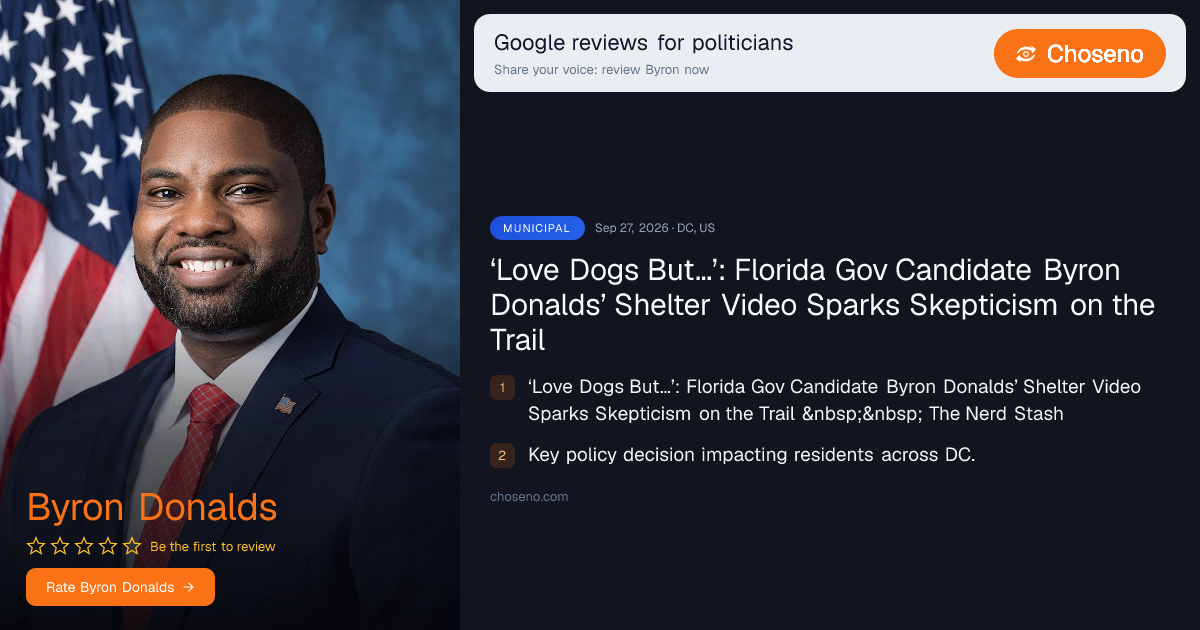
‘Love Dogs But…’: Florida Gov Candidate Byron Donalds’ Shelter Video Sparks Skepticism on the Trail
‘Love Dogs But…’: Florida Gov Candidate Byron Donalds’ Shelter Video Sparks Skepticism on the Trail The Nerd Stash
Read full article
Municipal
US Sep 27, 2026
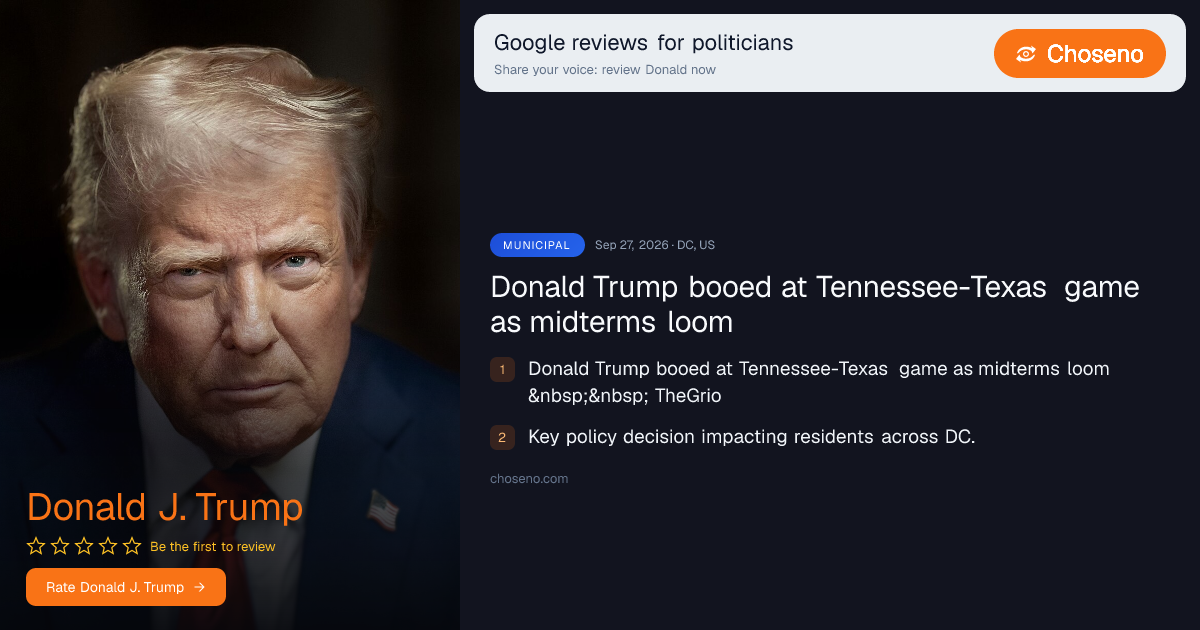
Donald Trump booed at Tennessee-Texas game as midterms loom
Donald Trump booed at Tennessee-Texas game as midterms loom TheGrio
Read full article
Municipal
US Sep 27, 2026
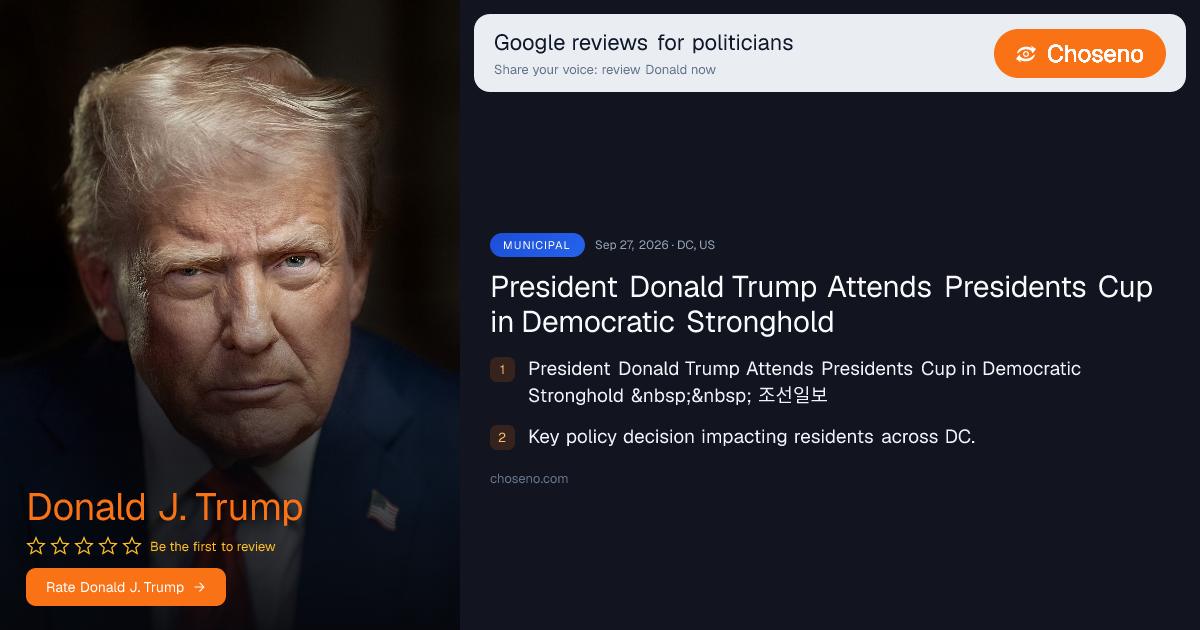
President Donald Trump Attends Presidents Cup in Democratic Stronghold
President Donald Trump Attends Presidents Cup in Democratic Stronghold 조선일보
Read full article