Wisconsin Executive Clemency Process Reaches Critical Milestone as Governor Evers Sets Final Application Window
Governor Tony Evers has established a definitive deadline for citizens seeking executive pardons, marking a significant phase in his administration's approach to criminal justice reform. This procedural update underscores the ongoing tension between restorative justice initiatives and the administrative oversight required to manage the state's clemency backlog.
Choseno Civic News Desk September 25, 2026 3 min read Wisconsin, US
Governor Tony Evers has officially communicated a final deadline for individuals seeking executive clemency, a move that highlights the administration's ongoing commitment to the pardon process while simultaneously addressing the logistical realities of managing a substantial volume of applications. This announcement serves as a pivotal moment for thousands of Wisconsinites who have been navigating the complex legal pathway toward restoring their civil rights, including the right to vote, serve on a jury, and obtain certain professional licenses. By setting a firm date for submissions, the executive office aims to streamline the review process, ensuring that the Pardon Advisory Board can conduct thorough investigations into each petitioner's background, rehabilitation efforts, and current standing within their respective communities. This administrative step is not merely a bureaucratic formality but a reflection of the governor's broader philosophy regarding second chances and the belief that individuals who have served their sentences should be afforded the opportunity to reintegrate fully into society without the lingering barriers of a criminal record.
The statutory framework governing Wisconsin's pardon process requires a rigorous evaluation of each applicant, necessitating that the governor's office balance the principles of mercy with the imperative of public safety. Critics and supporters alike have closely monitored these developments, as the pardon process remains a highly visible component of the state's criminal justice landscape. Proponents of the current administration's approach argue that the systematic review of pardon applications serves as a vital tool for addressing systemic inequities that have historically marginalized certain populations. Conversely, some observers emphasize the necessity of maintaining strict eligibility criteria to ensure that the clemency power is exercised with appropriate caution. The administration has maintained that each case is evaluated on its individual merits, focusing on the applicant's post-conviction conduct and the tangible benefits that a pardon would provide to the individual and the broader community. This nuanced approach has necessitated a significant investment of time and resources from the state, reflecting the complexity of balancing restorative justice with the expectations of the electorate.
From an economic perspective, the pardon process carries significant implications for the state's workforce and tax base. By removing legal obstacles to employment, the administration contends that pardons facilitate greater economic participation, allowing formerly incarcerated individuals to secure stable housing and higher-paying jobs. This, in turn, reduces the likelihood of recidivism, which represents a substantial cost savings for the state's correctional system. Taxpayers have a vested interest in the efficiency of this process, as the administrative costs associated with reviewing thousands of applications are balanced against the long-term societal benefits of successful reintegration. The governor's office has consistently framed these efforts as a strategic investment in human capital, suggesting that the restoration of rights is a prerequisite for fostering a more inclusive and productive economy. As the deadline approaches, the focus shifts toward the capacity of the state to process these requests in a timely manner, ensuring that the promise of a fresh start is not delayed by administrative bottlenecks.
Community debates surrounding the pardon process often center on the tension between individual redemption and the gravity of past offenses. While the governor has utilized his constitutional authority to grant pardons at a rate significantly higher than his immediate predecessors, this has sparked a broader conversation about the role of the executive branch in the justice system. Advocates for reform argue that the current pace is necessary to address the backlog created by years of limited clemency activity, while skeptics caution against the potential for overreach. Throughout this period, the administration has remained steadfast in its assertion that the pardon process is an essential mechanism for correcting past injustices and acknowledging the personal growth of those who have demonstrated a commitment to living law-abiding lives. As the final application window closes, the state prepares for the next phase of this initiative, which will involve the final adjudication of pending cases and a potential reassessment of the pardon criteria for future cycles. This ongoing evolution of the clemency process remains a defining feature of the current political climate in Wisconsin, reflecting deeply held values regarding justice, accountability, and the capacity for human change.
Rate the people mentioned in this article

Related Coverage in Municipal
See all Municipal newsMunicipal
US Sep 27, 2026
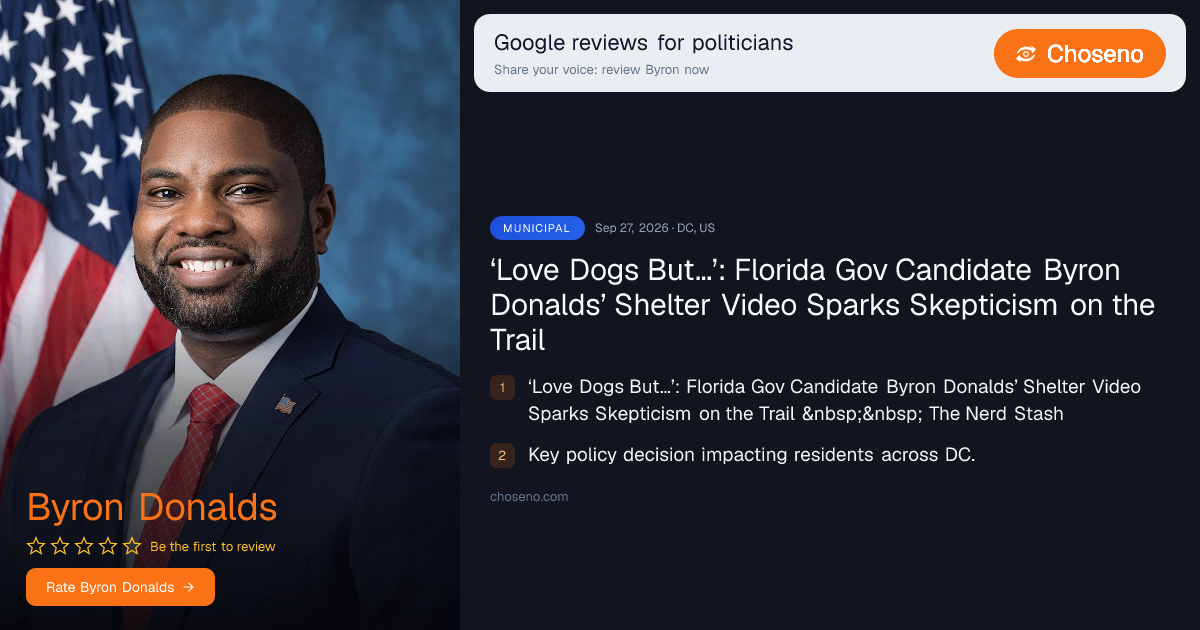
‘Love Dogs But…’: Florida Gov Candidate Byron Donalds’ Shelter Video Sparks Skepticism on the Trail
‘Love Dogs But…’: Florida Gov Candidate Byron Donalds’ Shelter Video Sparks Skepticism on the Trail The Nerd Stash
Read full article
Municipal
US Sep 27, 2026
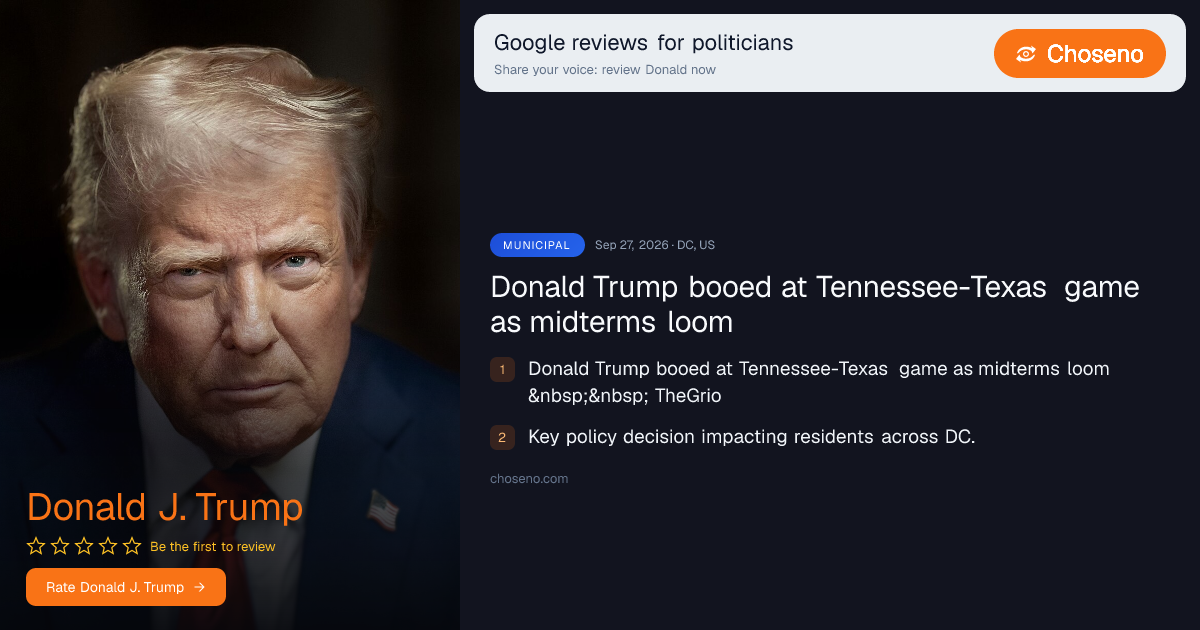
Donald Trump booed at Tennessee-Texas game as midterms loom
Donald Trump booed at Tennessee-Texas game as midterms loom TheGrio
Read full article
Municipal
US Sep 27, 2026
President Donald Trump Attends Presidents Cup in Democratic Stronghold
President Donald Trump Attends Presidents Cup in Democratic Stronghold 조선일보
Read full article