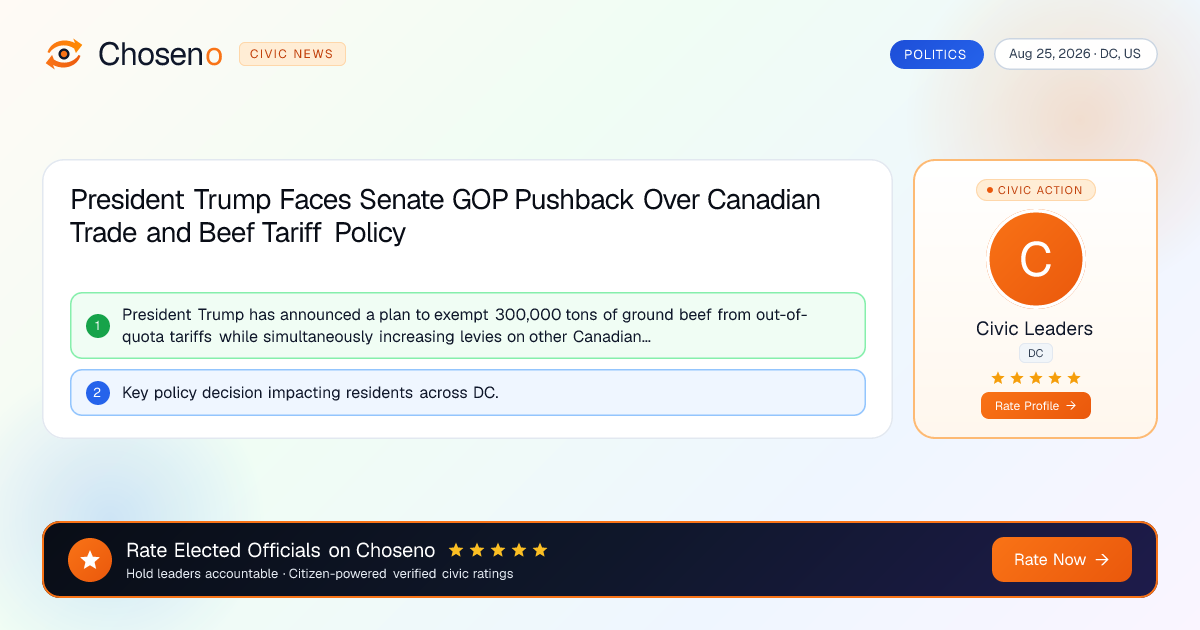
Arizona Gubernatorial Race Sees Surge in Polling Activity
The Arizona gubernatorial race has experienced a significant increase in polling activity, with six separate surveys released within a single week. This influx of data provides voters with updated metrics on candidate standing as the election cycle intensifies.
Choseno Civic News Desk August 25, 2026 2 min read AZ, US
★ Choseno Civic Briefing
Key Leaders
Dateline: Phoenix, Arizona – August 25, 2026
The Arizona gubernatorial race has entered a period of heightened scrutiny as six distinct polls were released within the span of a single week. According to reporting by State Affairs, the rapid succession of surveys highlights the competitive nature of the contest as the election approaches.
Policy & Taxpayer Impact
While polling itself does not directly alter state fiscal policy, the proliferation of data serves as a primary indicator for campaign resource allocation. Taxpayers are indirectly affected by the intensity of the race, as increased polling often correlates with higher levels of political advertising and campaign spending, which shape the public discourse surrounding state budget priorities and legislative agendas.
Political & Legal Stakes
For political observers, the sudden flood of data is critical for assessing voter sentiment in a key battleground state. The legal and political stakes remain high, as the outcome of the gubernatorial election will determine the executive oversight of state agencies, the veto power over future legislation, and the direction of Arizona’s policy on critical issues such as water management and economic development.
The Debate
Proponents of frequent polling argue that such data is essential for maintaining transparency and providing the electorate with a real-time understanding of candidate viability. Conversely, critics often contend that an over-reliance on polling can lead to horse-race journalism, potentially distracting from substantive policy debates and the long-term implications of the candidates' platforms.
Public Accountability Context
As the election cycle progresses, the accuracy and methodology of these six polls will be subject to ongoing evaluation by political analysts. Citizens are encouraged to review the specific methodologies of these surveys to better understand the representative nature of the samples and the potential margins of error, ensuring that their engagement with the election process is informed by verified data.
Related Coverage in Politics
See all Politics newsPolitics
US Aug 25, 2026
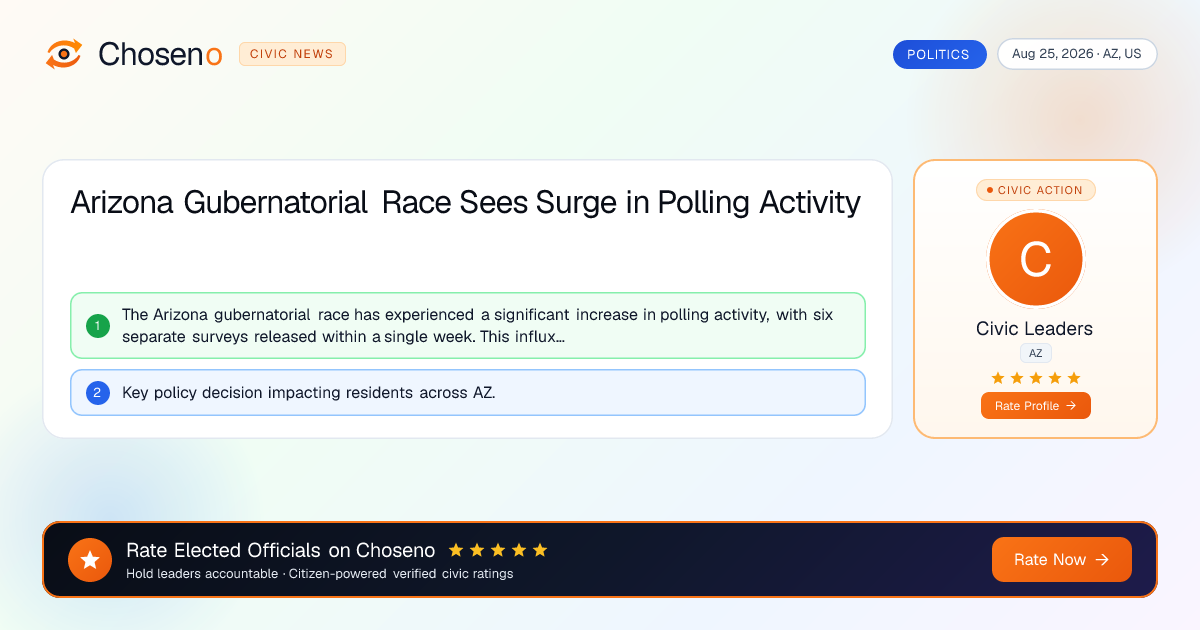
Hungary Files Criminal Complaint Over $965M COVID-19 Ventilator Procurement
Hungarian authorities have initiated a criminal complaint regarding a $965 million ventilator procurement deal conducted during the COVID-19 pandemic. The legal action centers on allegations of potential fraud involving the massive expenditure of public funds.
Read full article
Politics
US Aug 25, 2026
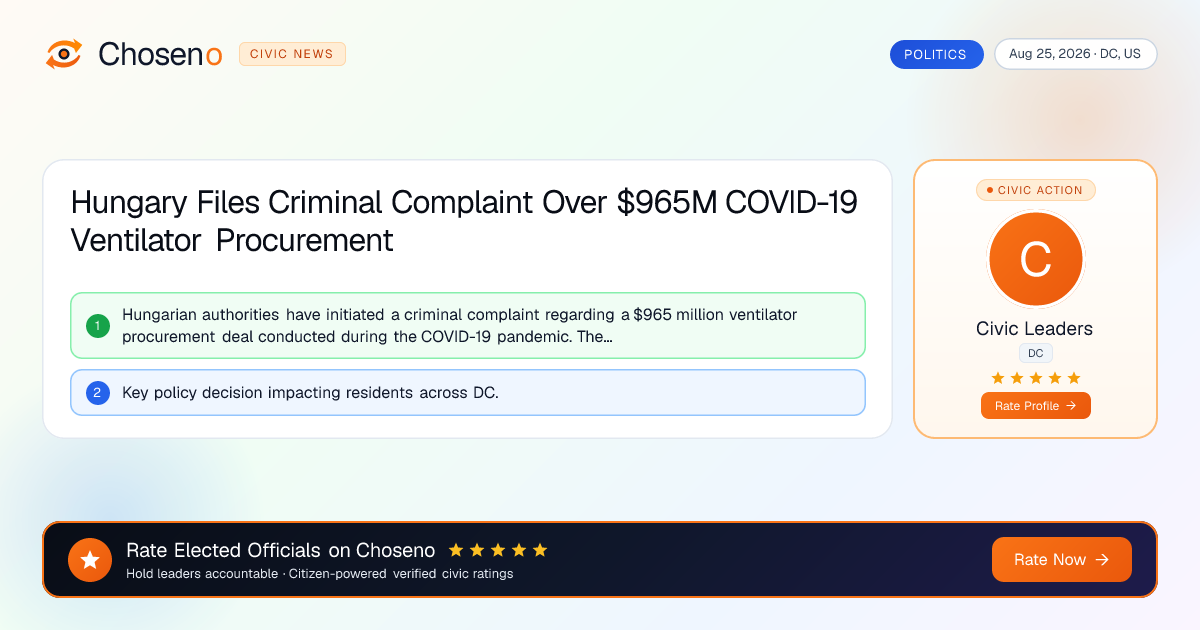
Treasury Bond Buyback Proposal Sparks Debate Over Market Intervention
The U.S. Treasury is considering utilizing nearly $1 trillion from the Treasury General Account to initiate bond buybacks aimed at lowering interest rates. This strategy has drawn sharp criticism from market experts who warn that such interventions may be ineffective.
Read full article
Politics
US Aug 25, 2026
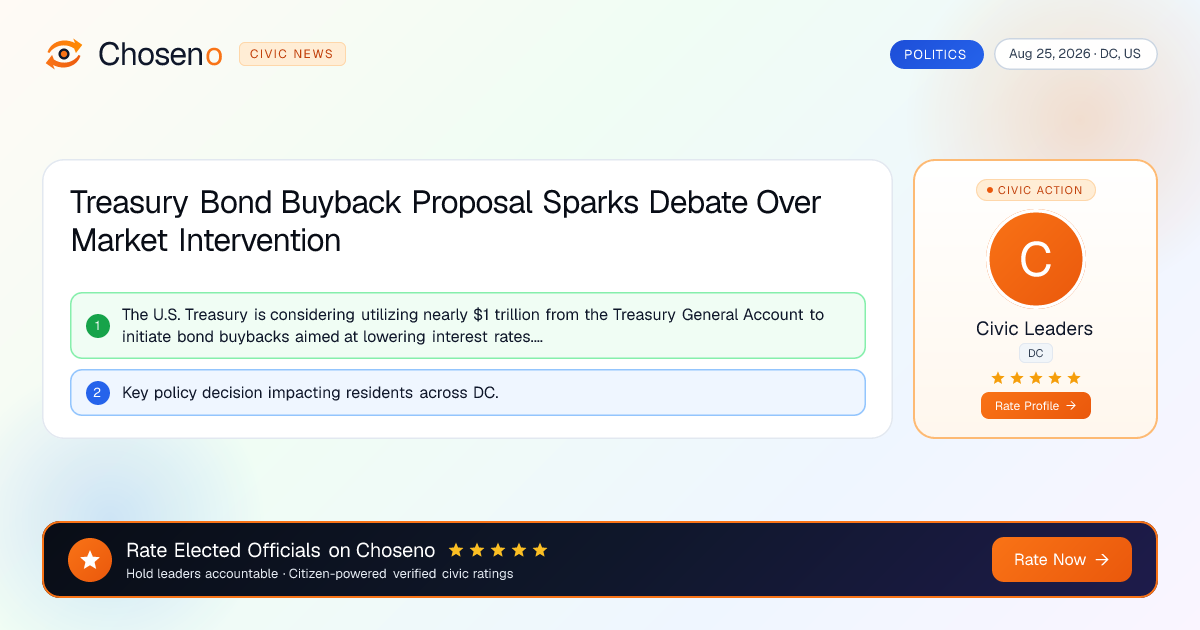
President Trump Faces Senate GOP Pushback Over Canadian Trade and Beef Tariff Policy
President Trump has announced a plan to exempt 300,000 tons of ground beef from out-of-quota tariffs while simultaneously increasing levies on other Canadian goods. This shift in trade policy aims to lower domestic food prices but has triggered significant friction with Republican senators.
Read full article