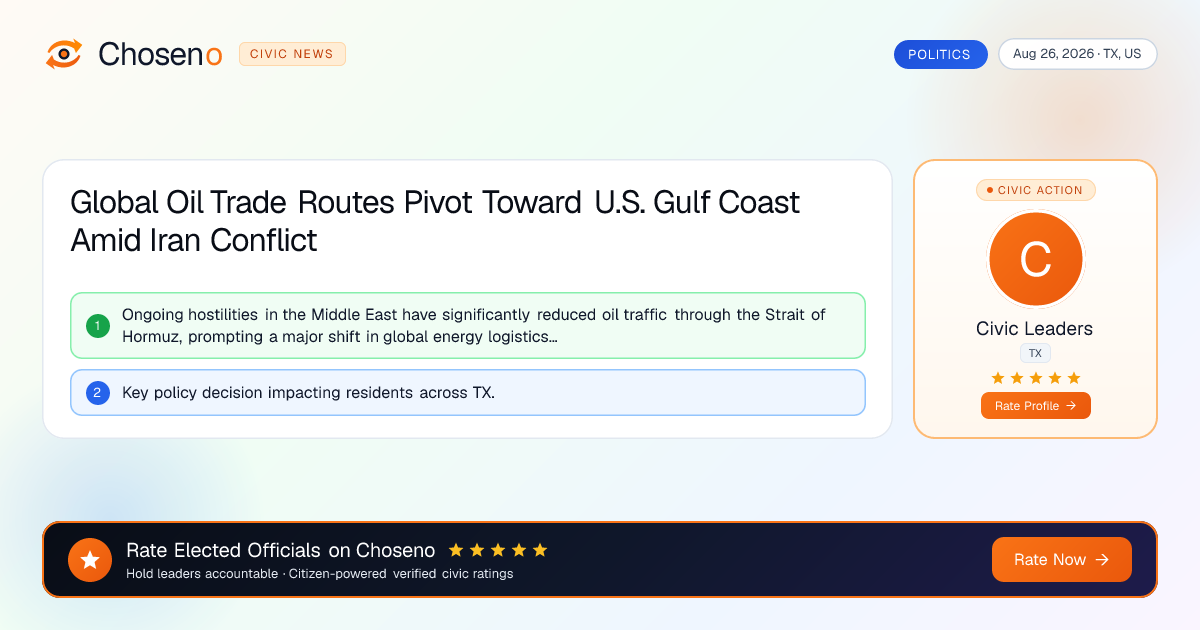
Meta Reaches $17 Billion Settlement in Landmark Social Media Litigation
Meta has agreed to a $17 billion settlement to resolve a significant legal challenge regarding its social media operations. This resolution marks a major financial development in the ongoing regulatory scrutiny of large-scale technology platforms.
Choseno Civic News Desk August 26, 2026 1 min read DC, US
★ Choseno Civic Briefing
Key Leaders
Dateline: Washington, D.C.
On August 26, 2026, reports confirmed that Meta has finalized a settlement agreement totaling $17 billion to resolve a major legal case involving its social media business. The resolution follows extensive litigation that has drawn significant attention from federal regulators and legal experts.
Policy & Taxpayer Impact
The settlement represents one of the largest financial resolutions in the history of social media litigation. While the funds are paid by a private corporation, the case highlights the evolving landscape of digital oversight and the potential for future legislative or regulatory shifts that could impact how technology companies operate within the United States.
Political & Legal Stakes
This legal outcome underscores the increasing pressure on major technology firms to address concerns regarding platform management and user safety. The magnitude of the $17 billion figure serves as a benchmark for how federal authorities and courts may approach future antitrust or liability claims against dominant digital entities.
The Debate
Proponents of the settlement argue that such financial penalties are necessary to hold large corporations accountable for their operational practices and to incentivize better internal governance. Conversely, critics of the current regulatory environment often suggest that massive settlements may not address the underlying structural issues of social media influence, or that they could set precedents that complicate the competitive landscape for smaller technology firms.
Public Accountability Context
As this case concludes, the focus shifts to how these funds are processed and what, if any, operational changes Meta will be required to implement under the terms of the agreement. Citizens and policymakers continue to monitor the intersection of corporate power and digital regulation to ensure that public interests remain protected in an increasingly connected economy.
Related Coverage in Politics
See all Politics newsPolitics
US Aug 26, 2026
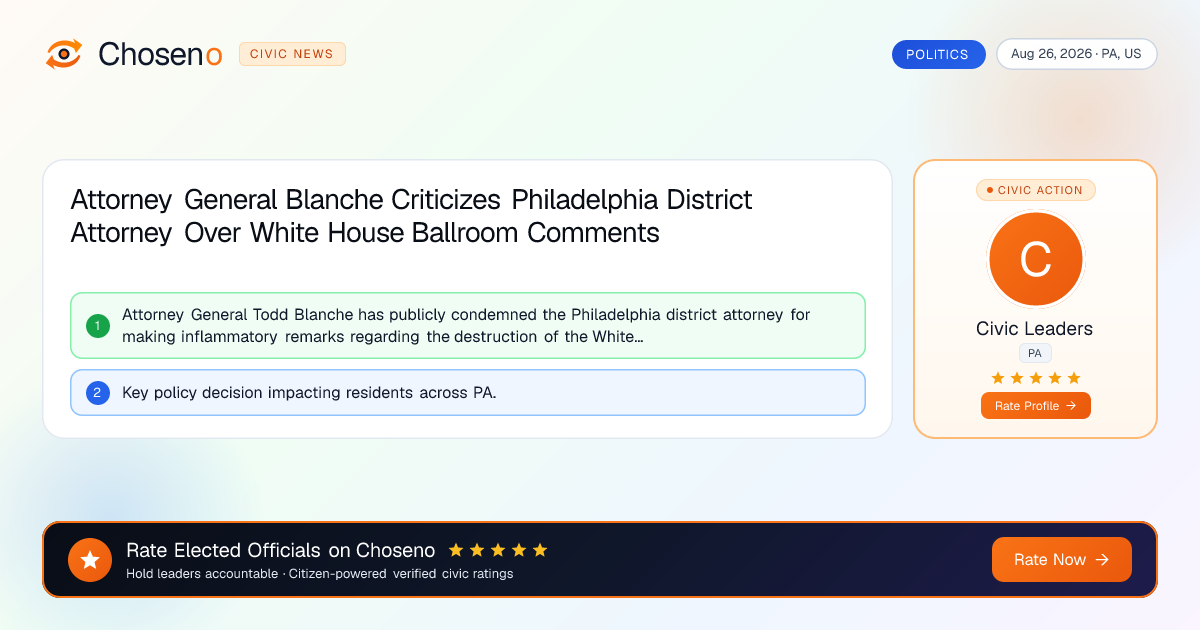
Attorney General Blanche Criticizes Philadelphia District Attorney Over White House Ballroom Comments
Attorney General Todd Blanche has publicly condemned the Philadelphia district attorney for making inflammatory remarks regarding the destruction of the White House ballroom. The exchange highlights rising tensions between federal administration officials and local law enforcement leadership.
Read full article
Politics
US Aug 26, 2026
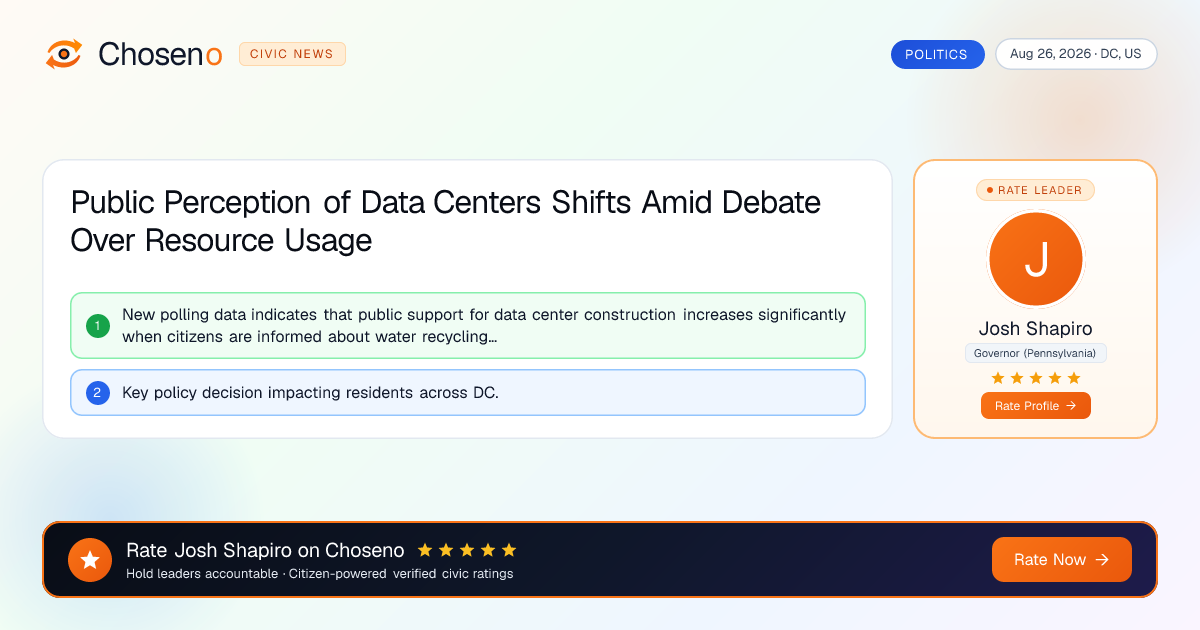
Public Perception of Data Centers Shifts Amid Debate Over Resource Usage
New polling data indicates that public support for data center construction increases significantly when citizens are informed about water recycling capabilities. The infrastructure projects are being positioned as a key component of domestic industrial policy and local tax base revitalization.
Read full article
Politics
US Aug 26, 2026
Global Oil Trade Routes Pivot Toward U.S. Gulf Coast Amid Iran Conflict
Ongoing hostilities in the Middle East have significantly reduced oil traffic through the Strait of Hormuz, prompting a major shift in global energy logistics toward U.S. exports. While this transition offers the U.S. increased geopolitical leverage, taxpayers remain exposed to global price volatility inherent in the interconnected oil market.
Read full article