New York Public Sector Labor Agreements Face Scrutiny Over Alleged Concessions by City Leadership
Recent labor negotiations involving Mayor Mamdani and union leadership have sparked controversy regarding the potential erosion of public sector worker protections. Critics argue these agreements represent a significant departure from established labor standards, impacting the long-term stability of municipal employment.
Choseno Civic News Desk August 28, 2026 2 min read NY, US
Dateline Lead
New York City is currently navigating a period of intense labor unrest as allegations emerge regarding the conduct of recent negotiations between the administration of Mayor Mamdani, Democratic Socialists of America (DSA) leadership, and various business unionist labor representatives.
Policy & Taxpayer Impact
The core of the controversy centers on the terms of new labor agreements that critics claim undermine the foundational rights of public sector employees. For taxpayers, the implications involve the long-term fiscal health of municipal services, as the structure of these contracts may influence future pension obligations, staffing levels, and the overall quality of public service delivery.
Political & Legal Stakes
The political landscape has shifted as traditional alliances between the DSA and labor unions appear to be fracturing. The involvement of high-level political figures in these negotiations has drawn fire from observers who suggest that the current path represents a "selling out" of the rank-and-file members who rely on these unions for job security and fair compensation.
The Debate
Proponents of the administration's approach argue that these agreements are necessary to ensure the fiscal sustainability of the city in a challenging economic climate, suggesting that compromise is essential to prevent deeper cuts to public services. Conversely, critics and dissenting union members contend that the leadership has failed to protect the interests of the workforce, arguing that the concessions made during these talks set a dangerous precedent for future labor relations in New York.
Public Accountability Context
As the situation develops, the focus remains on the transparency of the negotiation process. Citizens and union members are calling for greater accountability, seeking to understand how these decisions were reached and what specific mechanisms were utilized to bypass traditional labor protections. The ongoing discourse highlights a significant tension between municipal governance and the preservation of collective bargaining power.
Related Coverage in Municipal
See all Municipal newsMunicipal
US Aug 28, 2026
South Carolina Attorney General Clarifies Municipal Authority Over Chapin Legal Appointments
The South Carolina Attorney General’s office has issued a formal opinion stating that the Chapin Town Council, rather than the mayor, holds the legal authority to hire the town attorney. This clarification resolves a governance dispute regarding the town's administrative appointment powers.
Read full article
Municipal
US Aug 28, 2026
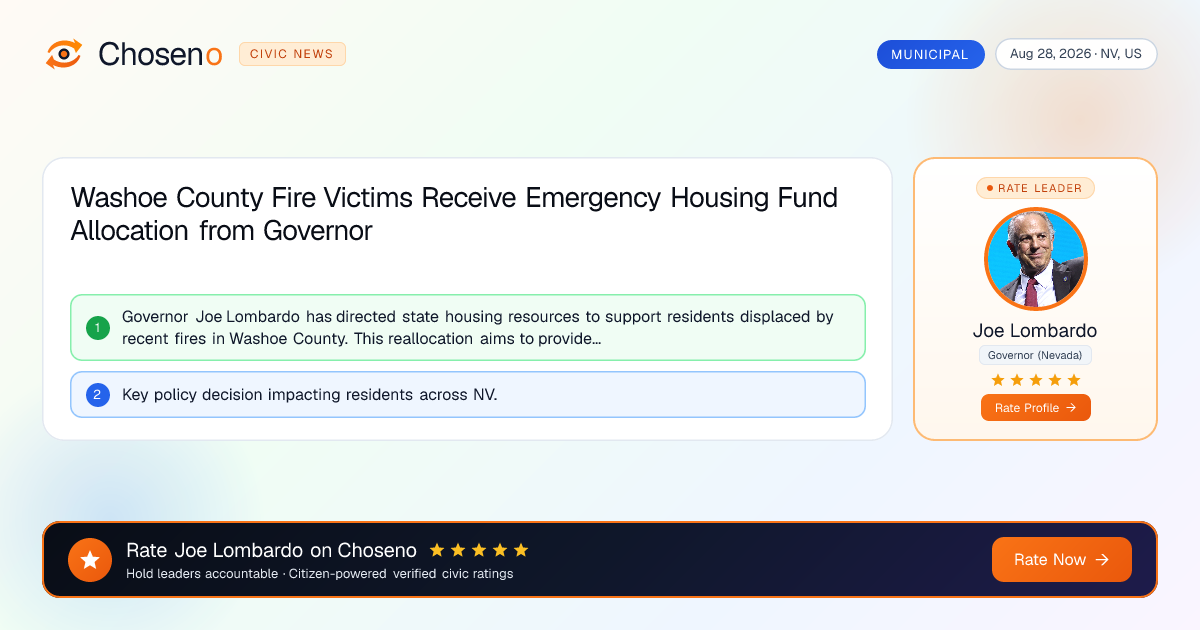
Washoe County Fire Victims Receive Emergency Housing Fund Allocation from Governor
Governor Joe Lombardo has directed state housing resources to support residents displaced by recent fires in Washoe County. This reallocation aims to provide immediate relief for those impacted by the disaster.
Read full article
Municipal
US Aug 28, 2026
Boston City Hall Hosts Private Elopement for Tricia Robredo and Partner
Tricia Robredo, daughter of Naga Mayor Leni Robredo, finalized a marriage ceremony at Boston City Hall. The event represents a private civil union with no reported impact on municipal tax expenditures.
Read full article