Premier David Eby Directs $140 Million for BC Critical Minerals Geoscience and Indigenous Exploration
British Columbia Premier David Eby and Mining Minister Josie Osborne allocate $140 million to expand the BC Critical Minerals Strategy, conducting high-resolution airborne geophysical mapping across the Golden Triangle and Interior regions.
Choseno BC Mining Desk August 25, 2026 2 min read BC, CA
★ Choseno Civic Briefing
Key Leaders
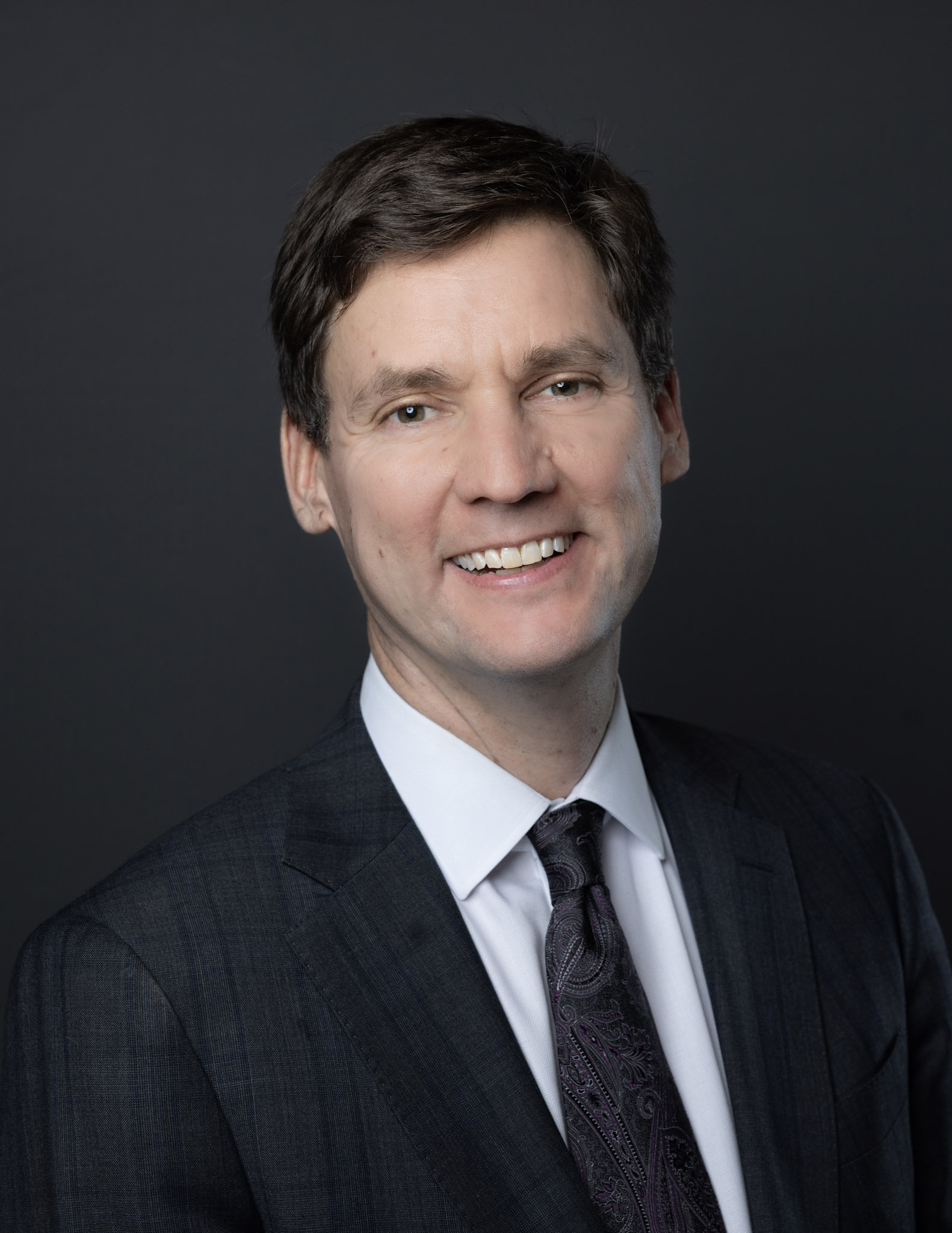
STEWART, B.C. — British Columbia Premier David Eby and Minister of Energy, Mines and Low Carbon Innovation Josie Osborne announced on Monday the distribution of $140 million in provincial exploration funding through Geoscience BC and the Ministry of Mining to conduct advanced, high-resolution airborne electromagnetic surveys and deep-core geological mapping across British Columbia's mineral-rich "Golden Triangle" and Central Interior regions.
The geoscience initiative, delivered in direct co-management with Tahltan, Gitxsan, and Nisga'a Nations, accelerates the exploration and discovery of critical clean energy minerals—including copper, nickel, tellurium, cobalt, and rare earth elements—vital for electric vehicle battery motors, wind turbines, and high-voltage transmission lines.
Powering the Clean Energy Transition with Responsibly Mined BC Minerals British Columbia is already Canada's largest producer of copper and only producer of molybdenum, but extensive forested terrain has left vast subsurface mineral belts unmapped with modern digital geophysics.
"The world cannot transition away from fossil fuels without millions of tons of copper and critical minerals, and British Columbia has the deposits the global economy needs," Premier David Eby said in Stewart. "By investing $140 million in modern, open-access geoscience mapping in full partnership with First Nations, we are derisking exploration, attracting international mining investment, and ensuring that mineral development is done with the highest environmental standards and shared prosperity for Indigenous communities."
Geological Survey Allocations and Core Sample Facilities The $140 million package funds:
- 150,000 Line-Kilometer Airborne Geophysical Surveys: Utilizing specialized LiDAR and electromagnetic sensor helicopters to map deep mineral faults.
- Open-Access Public Geoscience Portal: Providing digital 3D geological data free to exploration geologists and universities.
- Tahltan Indigenous Mineral Exploration Partnership: $30 million for First Nations capacity funding, joint environmental baseline studies, and local environmental monitoring programs.
- Stewart & Prince George Core Sample Repositories: Expanding state-of-the-art climate-controlled core sample drill libraries.
Mining association executives, Indigenous leaders, and geological engineers commended the initiative, highlighting that public geoscience data dramatically compresses the discovery-to-production timeline for new critical mineral mines.
Rate the people mentioned in this article

Related Coverage in Economy
See all Economy newsEconomy
US Aug 25, 2026
CFPB Issues Final Rule Capping Commercial Bank Overdraft and Insufficient Funds Fees at $3
Consumer Financial Protection Bureau Director Rohit Chopra finalizes a landmark rule reining in excessive $35 bank overdraft fees, capping benchmark fees at $3 and saving consumers $3.5 billion annually.
Read full article

Economy
US Aug 25, 2026
Mayor London Breed Directs $60 Million for San Francisco Downtown Ground-Floor Retail and Arts Conversions
San Francisco Mayor London Breed and the Board of Supervisors authorize $60 million from the Downtown Economic Vitality Fund to convert vacant commercial storefronts into culinary incubators, artist studios, and local retail boutiques.
Read full article

Economy
CA Aug 25, 2026
Finance Minister Chrystia Freeland Enacts Clean Tech Manufacturing 30% Investment Tax Credits
Deputy Prime Minister and Finance Minister Chrystia Freeland issues finalized regulations for the Clean Technology Manufacturing Investment Tax Credit, delivering a 30% refundable tax credit for clean tech and critical mineral processing capital.
Read full article