Princeton Public Schools Implement Digital Restrictions and Unplugged Days for Academic Year
Princeton students are returning to classrooms featuring new digital limitations and designated unplugged days. The initiative aims to shift the educational environment by reducing screen time and laptop usage.
Choseno Civic News Desk August 28, 2026 1 min read NJ, US
Dateline Lead
PRINCETON, NJ — As the new academic year commences, students in the Princeton Public School district are navigating a shift in classroom technology policy. The district has introduced a "digital dome" approach, characterized by closed laptops and the implementation of specific "unplugged" days.
Policy & Taxpayer Impact
The policy marks a strategic pivot in how instructional technology is utilized within the district’s facilities. By mandating periods where digital devices are set aside, the administration seeks to alter the daily learning experience. While the direct fiscal impact of these operational changes remains internal to the district's existing technology budget, the shift represents a significant change in the deployment of taxpayer-funded digital resources.
Political & Legal Stakes
The move reflects a broader national trend among school boards attempting to balance the necessity of digital literacy with concerns regarding student attention spans and mental health. The district's decision to enforce these boundaries places Princeton at the center of a growing debate over the efficacy of 1:1 device programs in public education.
The Debate
Proponents of the policy argue that reducing screen time is essential for fostering deeper cognitive engagement and interpersonal communication among students. Conversely, critics or those cautious of the policy may point to the necessity of constant digital access for modern curriculum requirements and the potential for these restrictions to create friction in a tech-integrated educational landscape.
Public Accountability Context
As the school year progresses, the community will be monitoring the impact of these restrictions on student performance and classroom dynamics. The district's ability to maintain academic standards while limiting digital access will serve as a key metric for parents and taxpayers evaluating the success of this new instructional framework.
Related Coverage in Municipal
See all Municipal newsMunicipal
US Aug 28, 2026
South Carolina Attorney General Clarifies Municipal Authority Over Chapin Legal Appointments
The South Carolina Attorney General’s office has issued a formal opinion stating that the Chapin Town Council, rather than the mayor, holds the legal authority to hire the town attorney. This clarification resolves a governance dispute regarding the town's administrative appointment powers.
Read full article
Municipal
US Aug 28, 2026
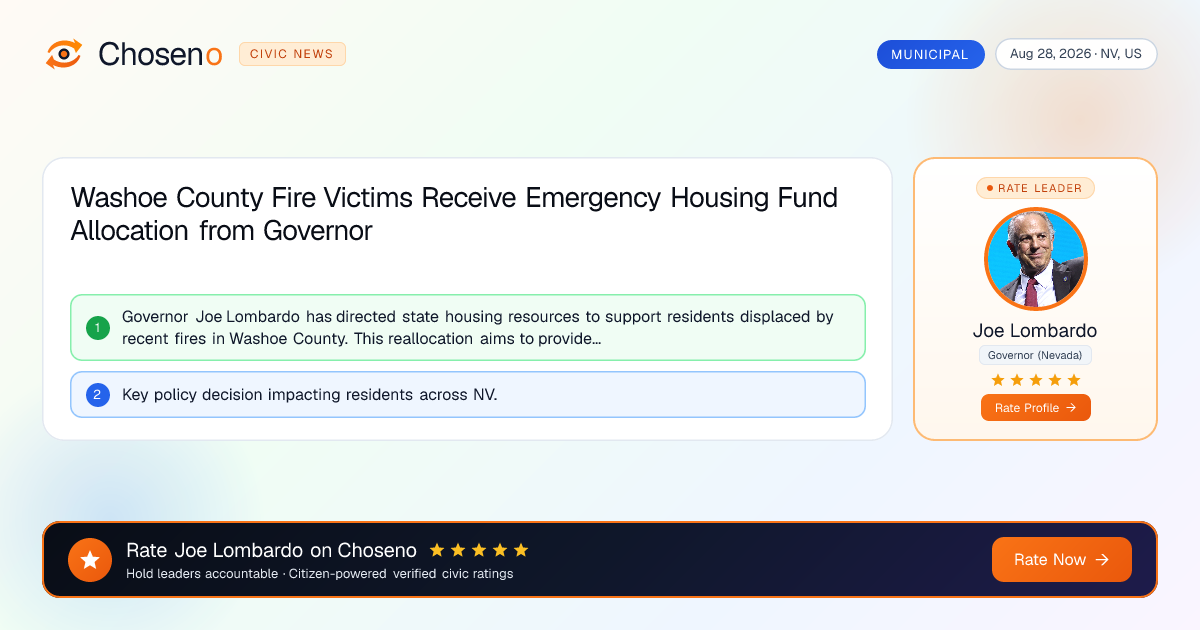
Washoe County Fire Victims Receive Emergency Housing Fund Allocation from Governor
Governor Joe Lombardo has directed state housing resources to support residents displaced by recent fires in Washoe County. This reallocation aims to provide immediate relief for those impacted by the disaster.
Read full article
Municipal
US Aug 28, 2026
Boston City Hall Hosts Private Elopement for Tricia Robredo and Partner
Tricia Robredo, daughter of Naga Mayor Leni Robredo, finalized a marriage ceremony at Boston City Hall. The event represents a private civil union with no reported impact on municipal tax expenditures.
Read full article