Mayor Eric Adams Advances "City of Yes for Housing Opportunity" Zoning Modernization in New York
New York City Council and Mayor Eric Adams advance comprehensive citywide zoning updates aimed at unlocking 100,000 new homes across all five boroughs over 15 years.
Choseno Civic News Desk August 16, 2026Updated August 29, 2026 1 min read NY, US
NEW YORK, N.Y. — Mayor Eric Adams and the Department of City Planning advanced the landmark "City of Yes for Housing Opportunity" proposal through key City Council committee reviews, setting up final legislative votes on the most expansive modernization of New York City's zoning resolution since 1961.
Unlocking 100,000 Homes Across Five Boroughs
The zoning proposal legalizes accessory dwelling units (ADUs), removes mandatory parking minimums near transit nodes, lifts density restrictions for transit-oriented developments, and allows commercial-to-residential conversions for post-1961 office buildings.
"Every single neighborhood across our five boroughs must do its part to address New York City's severe housing shortage," Mayor Adams stated at City Hall. "We are eliminating outdated red tape so families can stay in the communities they love."
Universal Affordability Preference
A centerpiece of the framework is the Universal Affordability Preference (UAP), allowing residential developments to add 20% more floor space if the additional units are permanently designated as affordable housing for low- and moderate-income New Yorkers.
Council Timelines and Final Action
The full New York City Council is scheduled to vote on the comprehensive zoning package ahead of the statutory fall deadline.
Rate the people mentioned in this article

Related Coverage in Infrastructure
See all Infrastructure newsInfrastructure
CA Sep 5, 2026
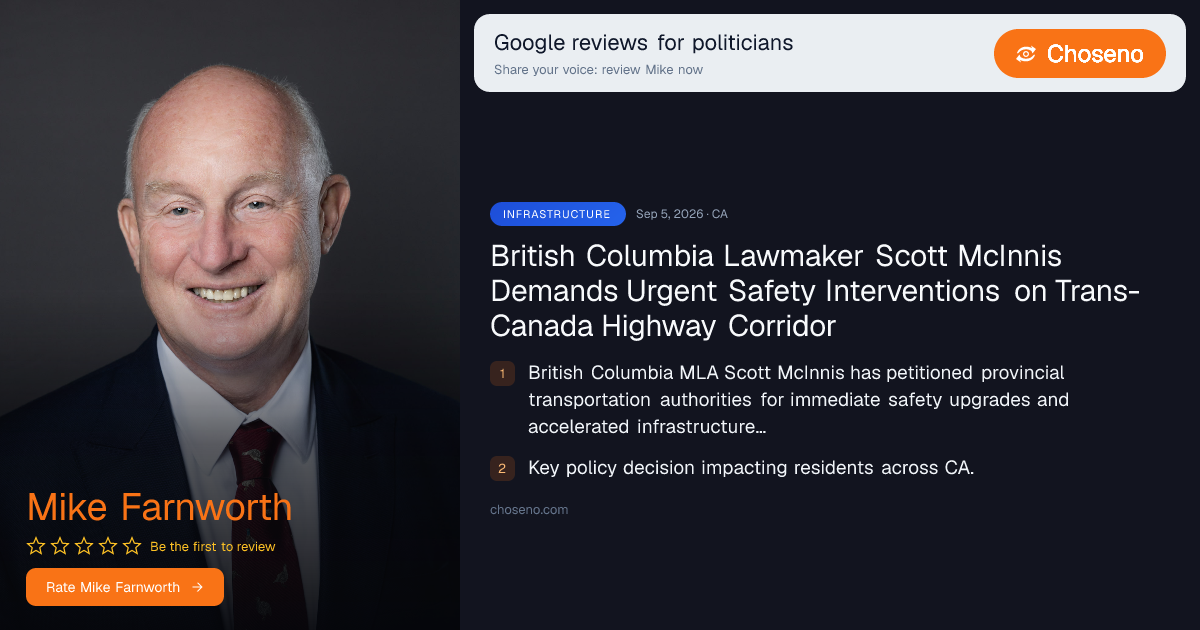
British Columbia Lawmaker Scott McInnis Demands Urgent Safety Interventions on Trans-Canada Highway Corridor
British Columbia MLA Scott McInnis has petitioned provincial transportation authorities for immediate safety upgrades and accelerated infrastructure investments along Highway 1 between Field and Sicamous. Following a series of serious collisions on the mountain corridor, Minister of Transportation and Transit Mike Farnworth agreed to convene a high-level ministerial meeting to examine emergency mitigations and capital improvement timelines.
Read full article
Infrastructure
US Sep 4, 2026
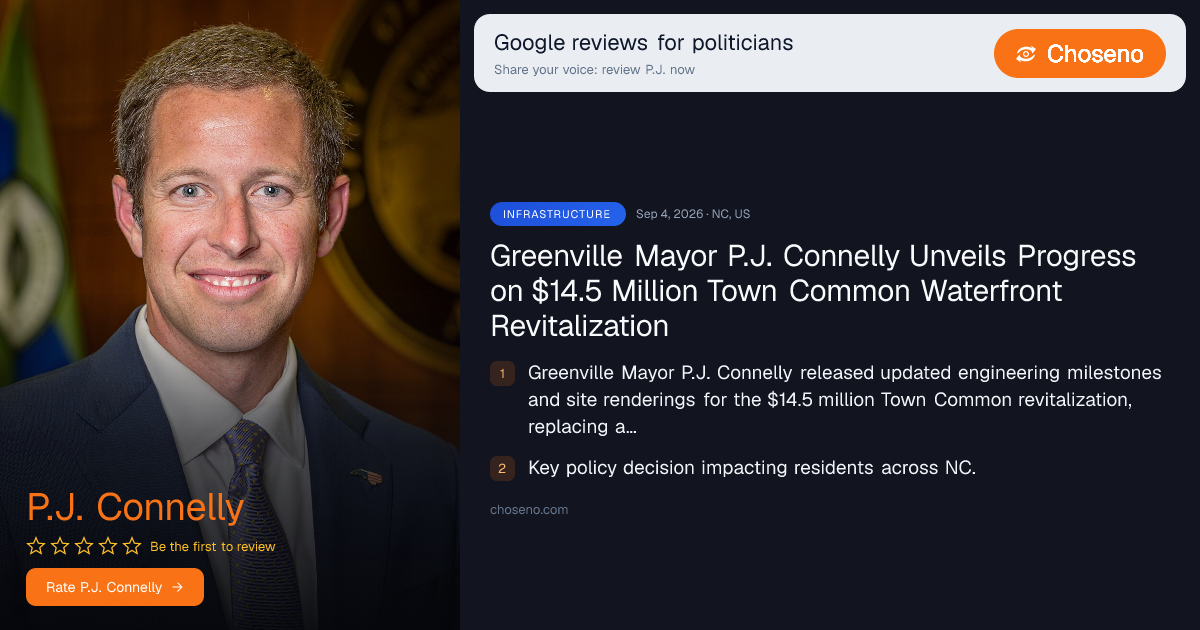
Greenville Mayor P.J. Connelly Unveils Progress on $14.5 Million Town Common Waterfront Revitalization
Greenville Mayor P.J. Connelly released updated engineering milestones and site renderings for the $14.5 million Town Common revitalization, replacing a 1960s-era timber bulkhead with reinforced flood mitigation infrastructure and expanded Tar River recreational paths.
Read full article
Infrastructure
US Aug 31, 2026
Governor Greg Abbott Launches Project Watershed 250 to Shield Municipal Water Systems from Cyber Threats
Texas Governor Greg Abbott and federal cybersecurity leadership launched Project Watershed 250, a statewide defensive initiative providing complimentary cyber monitoring and vulnerability assessments to 250 municipal water systems.
Read full article