Premier Wab Kinew Releases Study on Long-Term Winnipeg Rail Relocation
Manitoba Premier Wab Kinew unveils feasibility findings regarding the relocation of major railway corridors to unlock urban development in Winnipeg.
Choseno National News Desk August 12, 2026Updated August 29, 2026 1 min read MB, CA
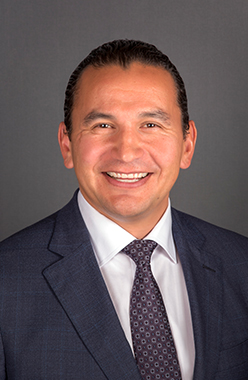
What do you think of the people in this story? Rate them anonymously — tap a face below.
WINNIPEG, Man. — Manitoba Premier Wab Kinew has released the findings of a comprehensive provincial study examining the feasibility and economic impact of relocating key freight rail lines that currently bisect the City of Winnipeg.
The study assesses potential routing options, engineering costs, and the redevelopment potential of central industrial lands.
Unlocking Urban Land for Housing
Premier Kinew noted that while rail relocation represents a complex, multi-decade undertaking requiring joint private-sector collaboration, the study provides valuable data for long-range city planning.
"Rail lines have defined Winnipeg's geography for over a century, but as our city grows, we must look ahead at how to reconnect communities and free up land for housing and active transit," Kinew said at the Manitoba Legislative Building. "This report gives us the facts to make informed, responsible infrastructure investments with our municipal and federal partners."
Supporting Regional Logistics
The report emphasizes that any future corridor realignments must preserve Winnipeg's role as a major national transportation and logistics gateway connecting east-west supply chains across Canada.
Rate the people mentioned in this article

Related Coverage in Infrastructure
See all Infrastructure newsInfrastructure
CA Sep 5, 2026
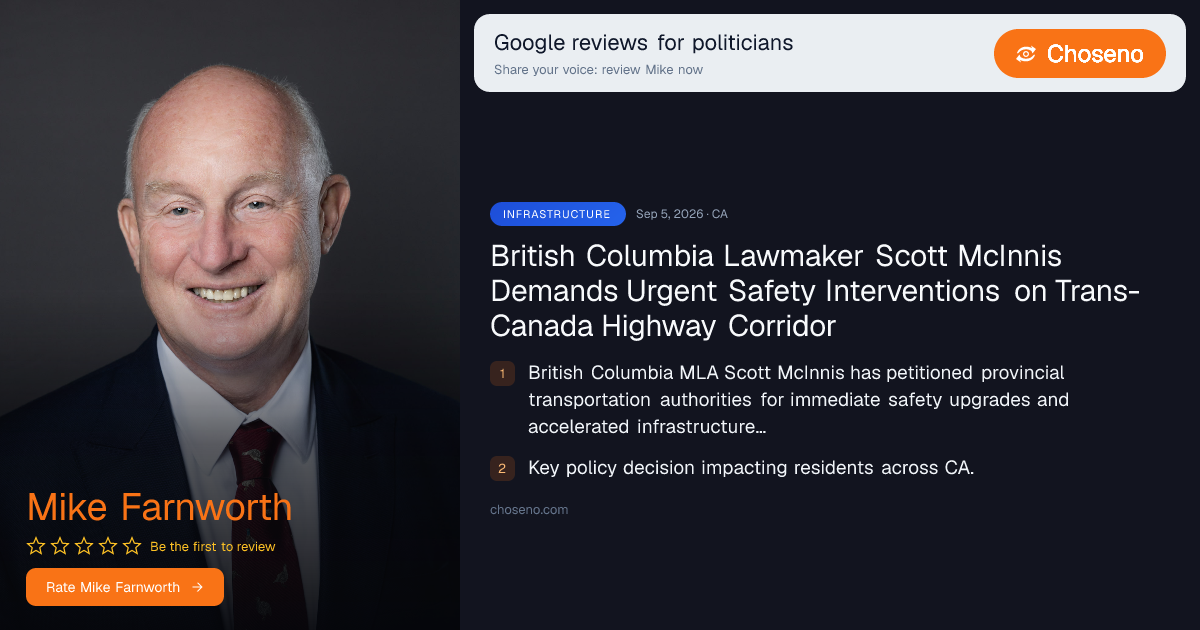
British Columbia Lawmaker Scott McInnis Demands Urgent Safety Interventions on Trans-Canada Highway Corridor
British Columbia MLA Scott McInnis has petitioned provincial transportation authorities for immediate safety upgrades and accelerated infrastructure investments along Highway 1 between Field and Sicamous. Following a series of serious collisions on the mountain corridor, Minister of Transportation and Transit Mike Farnworth agreed to convene a high-level ministerial meeting to examine emergency mitigations and capital improvement timelines.
Read full article
Infrastructure
US Sep 4, 2026
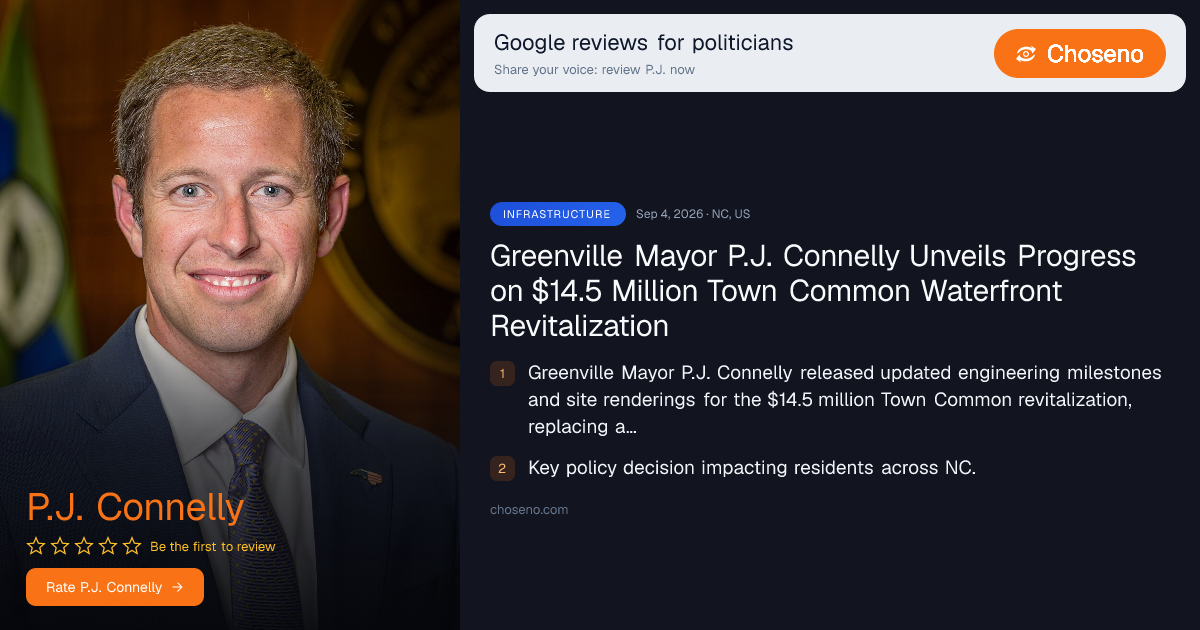
Greenville Mayor P.J. Connelly Unveils Progress on $14.5 Million Town Common Waterfront Revitalization
Greenville Mayor P.J. Connelly released updated engineering milestones and site renderings for the $14.5 million Town Common revitalization, replacing a 1960s-era timber bulkhead with reinforced flood mitigation infrastructure and expanded Tar River recreational paths.
Read full article
Infrastructure
US Aug 31, 2026
Governor Greg Abbott Launches Project Watershed 250 to Shield Municipal Water Systems from Cyber Threats
Texas Governor Greg Abbott and federal cybersecurity leadership launched Project Watershed 250, a statewide defensive initiative providing complimentary cyber monitoring and vulnerability assessments to 250 municipal water systems.
Read full article